How to Build a YouTube Funnel That Wins Clients
TL;DR
Use searchable YouTube videos to answer ideal clients’ problems, guide viewers toward related content, and build enough familiarity that qualified prospects visit your website and request a consultation. Define a precise audience, plan weekly topics from client questions and search demand, study successful channels, and use a content calendar to sustain the funnel.
Transcript
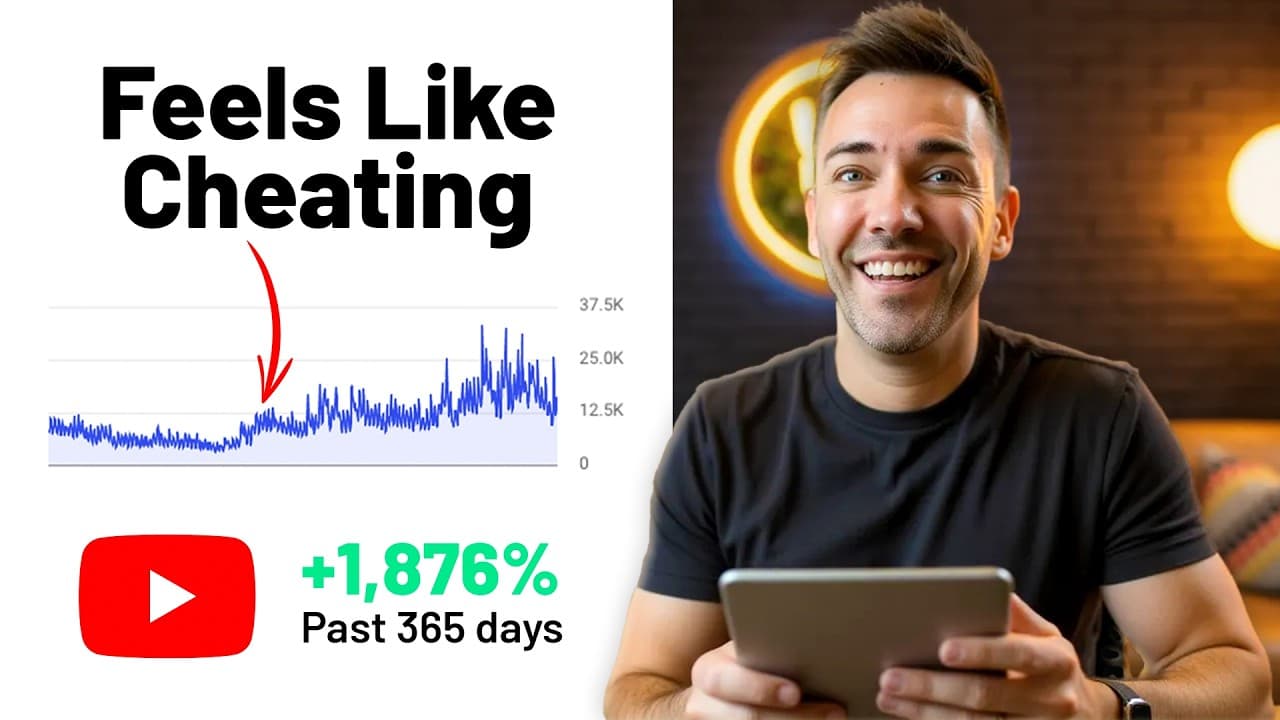
seven years ago I made the decision to start a YouTube channel to help more clients find me and it more than tripled my business's Revenue in less than 2 years and since then it's more than tripled again so if you want the shortcut my exact funnel for how I did it so you can 10x your own leads clients and yes profit I'm revealing it all in this vid... Read More
Key Insights
- A conventional sales funnel often sends people from paid advertising, social posts, or search engines directly to a website. Because these visitors may have encountered the business only once, relatively few are ready to schedule a call, and those who do may only be gathering information.
- A YouTube sales funnel begins with a potential client searching for help with a problem the business can solve. A relevant video answers that search, introduces the creator’s expertise, and creates a natural pathway toward additional videos, the business website, a consultation, and eventually a client relationship.
- Repeated video exposure is the mechanism that warms prospective clients. Watching several useful videos allows viewers to become familiar with the creator’s advice, personality, and expertise before making contact, which can establish the knowledge, affection, and trust that a cold website visit usually lacks.
- YouTube recommendations can extend a creator’s marketing reach after viewers watch multiple videos. The platform may place more videos from that creator on the viewer’s homepage, encouraging a binge session that can unfold quickly or continue across several weeks or months without requiring another initial search.
- Every published video is a potential pathway into the business. A viewer can discover one answer through search, consume related content, become curious about professional help, and reach the creator’s website through a channel link, video link, or independent search when ready to investigate the service.
- Audience focus depends on both demographics and psychographics. Age, gender, location, and occupation describe the ideal client, while struggles, recurring concerns, and problems that keep the person awake reveal which searchable questions the channel should answer and which pain points its content should address.
- A 52-topic plan supports a weekly publishing schedule for the first year. Frequently asked client questions provide accessible starting ideas, while search terms from YouTube’s Inspiration tab help identify subjects that ideal clients actively seek instead of topics chosen solely according to the creator’s preferences.
- Competitor research and AI brainstorming can expand the topic pipeline. Successful channels reveal which formats and subjects attract strong audience interest, while tools such as ChatGPT can suggest overlooked ideas after receiving information about the niche and intended content. A content calendar then arranges those ideas logically.
Install to Summarize YouTube Videos and Get Transcripts
Explore YouTube Video Summarizer or Get YouTube Transcript Extractor
Questions & Answers
Q: How does a YouTube funnel attract service clients?
A YouTube funnel attracts clients by answering problems they are already searching for on the platform. After finding one useful video, viewers can be directed to another, and YouTube may begin recommending more content from the same creator. Repeated exposure builds familiarity and trust. Some viewers then visit the creator’s website, request a consultation, and arrive as warmer, more qualified prospects.
Q: Why can a YouTube funnel work better than a conventional sales funnel?
A conventional funnel may send a person from an advertisement, social post, or search engine result directly to a website before sufficient trust exists. That visitor may avoid a call, seek only free information, or question the service’s price. YouTube gives prospects repeated exposure to the creator’s expertise before the consultation, reducing how much persuasion must occur during the sales conversation.
Q: Why should viewers be directed to another YouTube video?
Directing viewers to another relevant video encourages them to spend more time with the creator’s content. Once people have watched multiple videos, YouTube may infer that they want more and recommend the creator on their homepage. This can begin a binge session, build a stronger bond through repeated exposure, and move viewers closer to considering the creator as their preferred service provider.
Q: How should a business define its ideal YouTube audience?
A business should document both the demographics and psychographics of its ideal client. Demographics include age, gender, location, and occupation. Psychographics cover the person’s most serious struggles, recurring concerns, and problems that keep them awake. Combining these details in a written audience avatar helps the creator understand which pain points to address and which searchable questions should become video topics.
Q: How can a creator find the first 52 YouTube topics?
A creator can begin by listing the questions clients ask most frequently and turning each question into a separate video. Additional ideas can come from YouTube’s Inspiration tab, which identifies popular search terms, and from reviewing successful channels in the same niche. Competitor gaps and AI-assisted brainstorming can expand the list until there are enough topics for weekly publishing across 52 weeks.
Q: Why is YouTube keyword research important for client acquisition?
Keyword research reveals what potential clients are actively searching for on YouTube. Videos based only on subjects the creator wants to discuss may have little or no search demand, making them difficult to discover. The Inspiration tab in Creator Studio can surface popular search terms, allowing the channel to focus on questions that match the ideal client’s real interests and problems.
Q: How should competitor channels influence a YouTube content plan?
Competitor channels can show which topics and video formats already connect with people in the niche. A creator should examine successful channels, compare the popularity of individual videos, and identify subjects that attract notable interest. The goal is to find validated ideas while also looking for questions competitors have not covered or opportunities to provide a meaningfully different perspective.
Q: How can ChatGPT help plan YouTube video topics?
ChatGPT can act as a brainstorming assistant after receiving clear information about the creator’s niche and intended subject matter. The creator can describe the audience, explain the kinds of videos under consideration, and request a list of overlooked topics. Those suggestions should complement frequently asked questions, search research, and competitor analysis before the chosen ideas are organized into a content calendar.
Summary & Key Takeaways
-
A conventional funnel sends relatively cold visitors from advertising, social media, or search engines directly to a website and consultation. These prospects may be unwilling to call, interested mainly in gathering information, or unconvinced about pricing. The business owner must then overcome those objections during a difficult sales conversation.
-
The YouTube funnel begins when potential clients search for help and discover a useful video. Viewers are directed toward additional videos, while YouTube may recommend more content from the same creator. Repeated viewing builds familiarity and trust, making some prospects curious about hiring the creator and more prepared to request a consultation.
-
The content strategy starts with a clearly defined ideal client, including demographics, struggles, and pain points. Initial topics can come from frequently asked client questions, YouTube’s Inspiration tab, successful competing channels, and AI brainstorming. The recommended publishing plan is one video every week, organized through a content calendar covering 52 topics.
Read in Other Languages (beta)
Share This Summary 📚
Summarize YouTube Videos and Get Video Transcripts with 1-Click
Try YouTube Summary with ChatGPT & Claude or YouTube Transcript Generator
Explore More Summaries from Wes McDowell 📚

Summarize YouTube Videos and Get Video Transcripts with 1-Click
Try YouTube Summary with ChatGPT & Claude or YouTube Transcript Generator