How to Build a Three-Part Content Momentum Loop
TL;DR
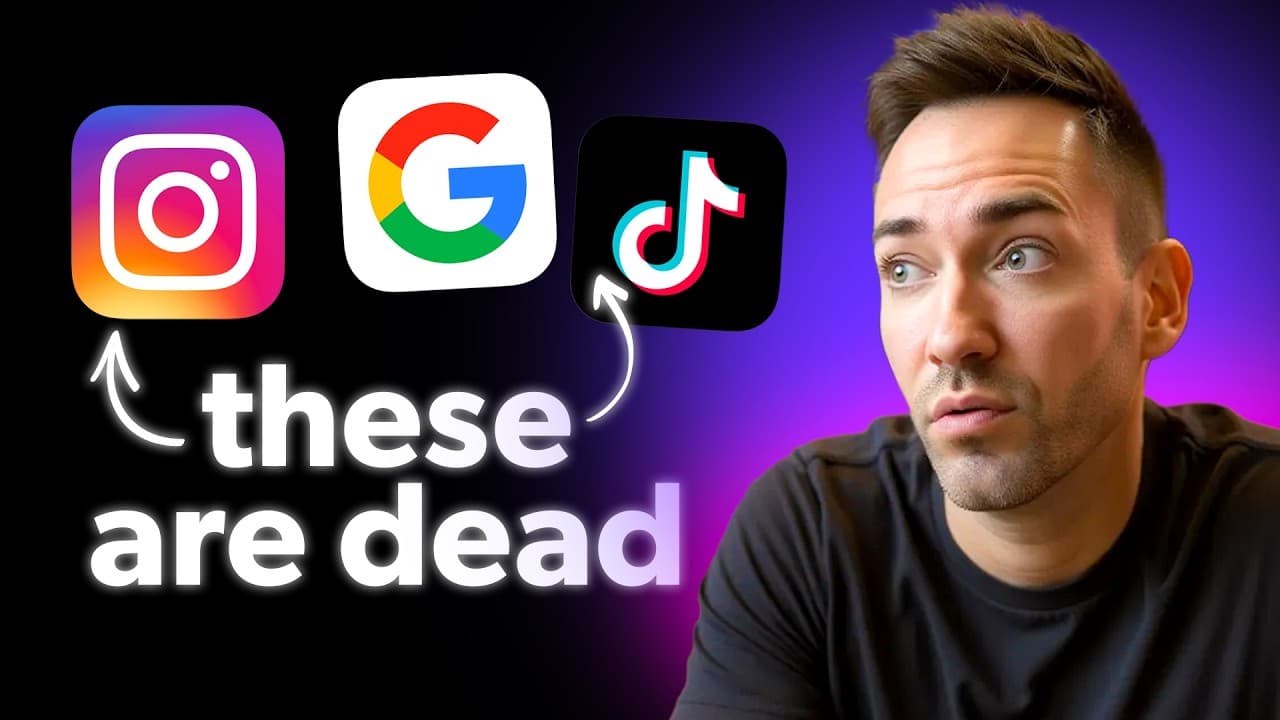
The three-part momentum loop combines attraction content, conversion content, and a supporting structure to keep content working for years. Attraction content draws new leads on platforms you don’t own, while conversion content turns viewers into paying clients. This system reduces the need for constant content creation and builds long term revenue.
Transcript
If you want to master content marketing in 2026, I'm going to show you the strategy that's done this for my business and this for thousands of my paid students. The thing is, most business owners are exhausted from creating content that just disappears after 24 hours and chasing algorithms that keep changing and seeing zero return on all that effor... Read More
Key Insights
- The momentum loop has three parts that work together to create ongoing client generation.
- Attraction content on YouTube should be search-based rather than viral, targeting what people are actively looking for.
- Conversion content starts after attraction content has built trust, and requires a crystal clear value proposition.
- A crystalclear value proposition must communicate a specific problem, solution, and result in seconds.
- One page, one purpose per webpage increases leads by reducing confusion and guiding action.
- Evergreen attraction content continues to deliver leads long after initial publication.
- Video content converts better because it builds trust through voice, face, and consistency.
- The system treats content as a flywheel where each new piece accelerates overall momentum.
- More videos from this channel:
- More from this channel: Wes McDowell
Install to Summarize YouTube Videos and Get Transcripts
Explore YouTube Video Summarizer or Get YouTube Transcript Extractor
Questions & Answers
Q: What is the momentum loop in content marketing and why does it matter?
The momentum loop is a threepart system that combines attraction content, conversion content, and ongoing reinforcement so that content you publish today continues to generate leads for weeks, months, or even years. It matters because it shifts content marketing from a treadmill chasing daily metrics to a renewable engine that compounds visibility and trust, ultimately producing a steady flow of clients with less weekly effort.
Q: How should attraction content be used on platforms you don’t own?
Attraction content on platforms you don’t own should be crafted to reach new audiences and deepen existing relationships, using formats that match what people search for. On YouTube you would emphasize a searchbased approach rather than chasing views, selecting topics your ideal clients actively search for and structuring videos to answer those questions. This creates an entry point into the momentum loop.
Q: What role does conversion content play after attraction content has built trust?
Conversion content is what takes a prospect who is already exposed and somewhat convinced from attraction content and moves them toward paying for a service. It lives on your website, focusing on a single next step with a crystalclear value proposition. By reducing confusion and clarifying outcomes, it makes it easier for a warm lead to convert.
Q: Why is a crystalclear value proposition critical for conversion pages?
A crystalclear value proposition communicates exactly what the client gets, in specific terms and within seconds. It helps distinguish your offering from generic solutions and reduces cognitive load for the reader. When tested, clear value propositions dramatically increase conversions by providing a precise problem, a concrete solution, and an anticipated result.
Q: What does one page, one purpose mean and why does it boost leads?
One page, one purpose means each web page should have a single primary action. This focus reduces confusion and guides visitors toward a clear next step, such as booking a call or downloading a guide. Companies that apply this principle see significantly more leads, because users aren’t distracted by competing offers.
Q: How does evergreen attraction content provide longterm value?
Evergreen attraction content continues to attract and convert over time. Older videos can still generate views and leads long after publication if they address fundamental questions and are optimized for search. The ongoing discovery helps maintain a steady stream of qualified leads without constant new content creation.
Q: What formats should be mixed for attraction content and why?
A mix should include FAQ videos, list videos, comparisons, and thought leadership pieces. This variety targets different buyer concerns and stages of awareness, increasing the chances that viewers find relevant content. The combination helps position the creator as an expert and sustains interest over extended periods.
Q: How does the system handle content creation effort over time?
The momentum loop turns content into a longterm asset. A single wellproduced piece can continue yielding views and leads for years, while new content accelerates the loop. This approach reduces the stress of constant posting by leveraging the compounding effects of evergreen content and strategic updates.
Summary & Key Takeaways
-
The video argues that most content marketing feels like a hamster wheel and presents a three-part momentum loop built to persist for weeks or years. It emphasizes YouTube and search-based attraction, conversion pages, and a crystal clear value proposition to improve conversion. The approach aims for long term client generation rather than quick, ephemeral views.
-
It explains attraction content's role to get discovered and deepen relationships, using YouTube as a gold standard for evergreen visibility. It outlines how conversion content on home pages and service pages should be simple and focused. It also highlights the momentum loop’s feedback where new content accelerates the system.
-
The speaker provides practical tactics like keyword research, using formats such as FAQs, lists, and comparisons, and stresses separate landing pages for each offer. The method is designed to create a scalable, ongoing client pipeline with relatively few weekly hours.
Read in Other Languages (beta)
Share This Summary 📚
Summarize YouTube Videos and Get Video Transcripts with 1-Click
Try YouTube Summary with ChatGPT & Claude or YouTube Transcript Generator
Explore More Summaries from Wes McDowell 📚



Summarize YouTube Videos and Get Video Transcripts with 1-Click
Try YouTube Summary with ChatGPT & Claude or YouTube Transcript Generator