How to Avoid Common Stock Market Mistakes as a Beginner
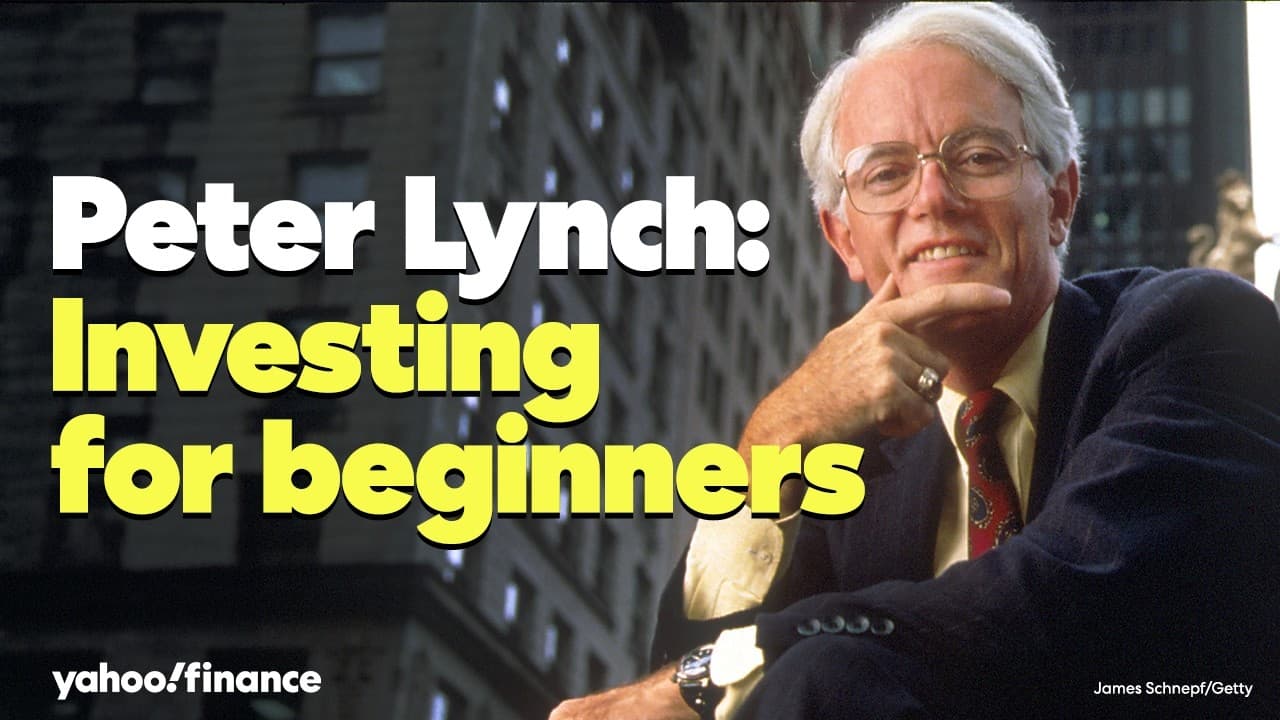
TL;DR
The stock doesn't know you own it, so never base decisions on what you paid or on round numbers. A low price is no guarantee against further decline, since companies with no debt rarely go bankrupt but companies with debt can still fall to zero. Focus on a solid, understandable business story rather than management reputation or long shots.
Transcript
no one's ever gone bankrupt without any debt now that would take a real i think you have to get some kind of distinguished service award somebody did that yeah but they had no debt i said it's not going to go to zero you know i was wrong when i said it can't go below 15. so we hung on and within three years they gave out the shares and kind of stil... Read More
Key Insights
- The stock doesn't know you own it, so treating a holding like a pet or grandchild and expecting it to reward loyalty is a mistake. Prices move on business fundamentals, not on who owns the shares or what they paid.
- The phrase 'it can't go any lower' is one of the most dangerous things investors say. A stock that has already fallen far can keep falling, as seen when a once-high flyer collapsed to a fraction of its price within months.
- A company with no debt is very unlikely to go bankrupt, but a company carrying debt can still fall all the way to zero regardless of how cheap the share price already looks.
- 'It's always darkest before the dawn' is misleading because a terrible business can get considerably worse before it turns. Distressed industries can stay depressed for years, so assuming things can't deteriorate further is risky.
- Never set a round-number sell target like getting back to what you paid. If you believe a stock is going higher, buy it; if not, sell. Waiting to break even ignores that the stock is indifferent to your cost basis.
- You cannot lose money in a stock you don't own, so worrying about missed winners is wasted energy. The only way to actually lose is to buy a stock, watch it fall, and then sell it.
- A rising price after purchase does not prove you were right, since a typical stock swings widely between its yearly high and low. Buying more simply because a stock went up, without new knowledge, is a mistake.
- Long shots with a sensational story but no sales are 'no shots,' and betting on them has never even broken even. Big gains instead came from solid companies whose success was not anticipated in advance.
Install to Summarize YouTube Videos and Get Transcripts
Explore YouTube Video Summarizer or Get YouTube Transcript Extractor
Questions & Answers
Q: Why is saying 'it can't go any lower' dangerous for investors?
Lynch calls this one of the most dangerous phrases in investing because a stock that has already fallen a great deal can keep falling much further. He cites a once-celebrated high flyer that people rushed to buy when it dropped below a psychological price level, only to see it collapse to a small fraction of that value within months. A low price by itself gives no protection against additional losses, so assuming a decline must be over is a costly assumption.
Q: Does a low stock price mean it can't go to zero?
No. Lynch stresses that a company carrying debt can fall all the way to zero no matter how cheap the shares already appear. He notes companies get wiped out every year. The key protective factor is the absence of debt, since a company with no debt is extremely unlikely to go bankrupt. So investors should look at the balance sheet rather than assuming a low price alone makes a stock safe from total loss.
Q: Why does Peter Lynch say the stock doesn't know you own it?
Lynch uses this rule to warn against emotional attachment. People sometimes treat stocks like grandchildren or a puppy, believing the stock recognizes them and will eventually reward their loyalty. In reality, prices move on business fundamentals, not on ownership. This means you should never make decisions based on what you paid or hold on simply hoping the stock will come back to your cost, because the market is completely indifferent to your position.
Q: Should you sell a stock once it returns to the price you paid?
No. Lynch calls setting a round-number sell target one of the key mistakes. If you believe a stock is heading higher, you should buy more, and if you don't, you should sell. Waiting for a stock to climb back to your purchase price so you can break even ignores the business and anchors your decision to an arbitrary number. He suggests avoiding round numbers entirely, since a stock may hover just below them for a long time.
Q: Why does worrying about stocks you missed not make sense?
Lynch explains that you cannot lose money in a stock you don't own, so agonizing over missed winners is wasted energy. Over his fund's history many stocks he never owned rose enormously, but that never cost him anything. The only way to actually lose money is to buy a stock, watch it decline, and then sell it. Chasing the next version of a missed winner usually does not work either, so investors should focus on what they hold.
Q: Why does a rising price after you buy not mean you were right?
Lynch points out that a typical stock swings widely between its yearly high and low, so a rise shortly after purchase proves nothing about the company. He describes people who buy a small amount, watch it tick up, and then pour far more money in, even taking out a second mortgage, despite knowing nothing new about the business. The move up simply means it went up. Confusing price movement with being right leads to dangerous overcommitment.
Q: Why does Peter Lynch avoid long-shot stocks?
Lynch separates long shots from 'no shots.' These are companies with a sensational story but no sales yet, promising to be the next huge winner if everything works out. He says he tried many of them and never even broke even, while his largest gains came from solid, sometimes unglamorous companies he didn't expect much from. If a speculative story is compelling, he suggests writing it down and checking back later rather than buying into the hype immediately.
Q: How should investors think about a company's management?
Lynch considers management the single most important thing in a company, yet extremely hard for an outsider to judge in a brief meeting. He prefers a business with a solid formula that any fool could run, since eventually one will, and he assumes management could leave the next day. Great management labels tend to get attached to stocks that have already risen, so he buys the story first and treats strong management as a bonus rather than the reason to invest.
Summary & Key Takeaways
-
Peter Lynch outlines the most dangerous things investors say about stocks, warning that phrases like 'it can't go lower,' 'how much can I lose,' and 'eventually they always come back' lead people astray. Cheap or fallen stocks can keep dropping, and debt-laden companies can go to zero.
-
A central rule is that the stock doesn't know you own it, so investors should never anchor on their purchase price or set round-number sell targets. So-called conservative stocks can fall sharply, and worrying about winners you never owned is pointless since you can only lose on shares you actually buy and sell.
-
Lynch avoids long-shot 'whisper stocks' that have a thrilling story but no sales, noting they never broke even for him. He values a solid, understandable business story over management reputation, since great management labels tend to follow stocks that have already risen and companies remain dynamic and hard to judge from the outside.
Read in Other Languages (beta)
Share This Summary 📚
Summarize YouTube Videos and Get Video Transcripts with 1-Click
Try YouTube Summary with ChatGPT & Claude or YouTube Transcript Generator
Explore More Summaries from Yahoo Finance 📚






Summarize YouTube Videos and Get Video Transcripts with 1-Click
Try YouTube Summary with ChatGPT & Claude or YouTube Transcript Generator