How will humanity split into four futures with AI
TL;DR
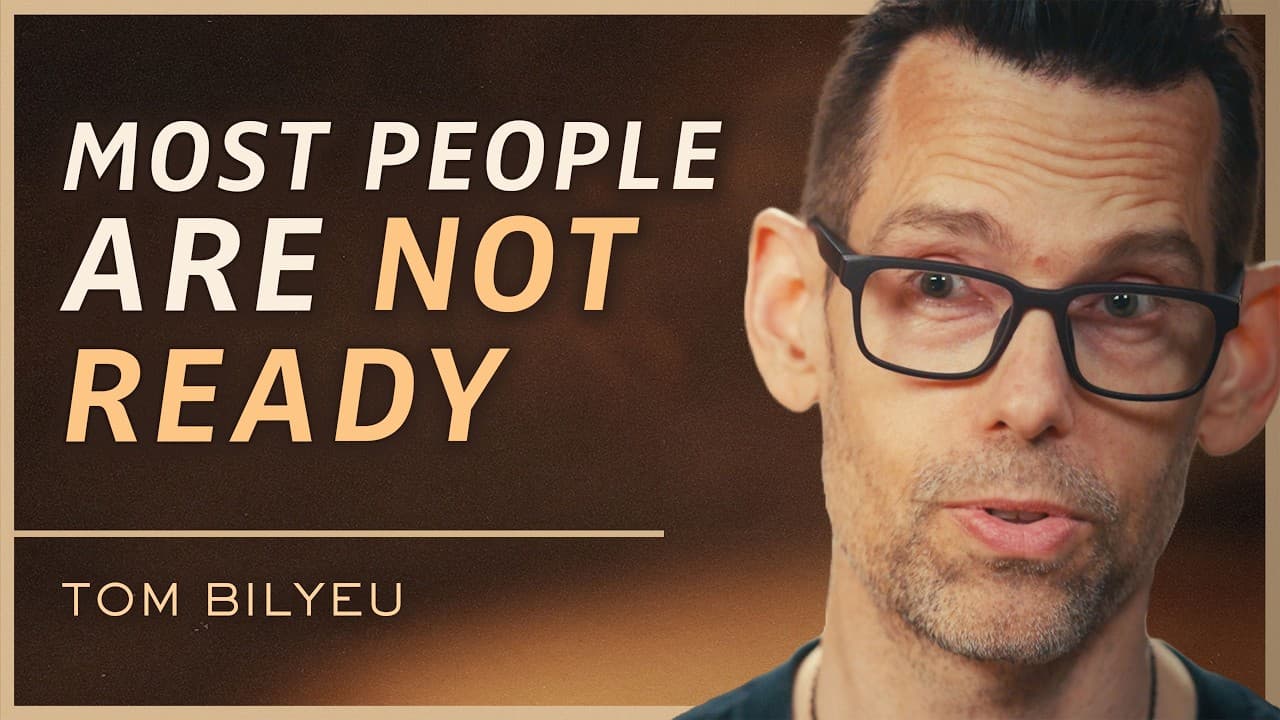
The video outlines four possible futures driven by AI and technology: the Amish who refuse AI, the numb and distracted, the hard mode explorers venturing to the moon or Mars, and those building and inhabiting virtual worlds. Meaning arises from what we assign to it, and growth mindset and asset ownership are emphasized as tools to navigate a changing economy.
Transcript
What does the future hold? It's so crazy how far we've come in 3 years and right now we stand at a precipice. We can step off the cliff. We'll turn and go backwards. Humanity's response to AI is going to be interesting, but assuming it's non fatal, which we can talk about that. What you're looking at is basically perpetual retirement for everybody.... Read More
Key Insights
- Humanity faces a bifurcation into four potential futures as AI progresses.
- The Amish are described as a group that will refuse to engage with AI.
- A second group is characterized by numbness and distraction through sex or drugs.
- A third path involves living life on hard mode, exploring space in some form.
- A fourth path envisions building and inhabiting virtual worlds.
- Meaning is presented not as something discovered but as something we assign, influenced by evolution.
- The growth mindset is framed as the only belief that matters for personal progress.
- Asset ownership is framed as essential to protecting purchasing power against inflation.
Install to Summarize YouTube Videos and Get Transcripts
Explore YouTube Video Summarizer or Get YouTube Transcript Extractor
Questions & Answers
Q: A real search query question about the video (e.g. 'How to...', 'What is...', 'Why does...', 'When should...'). Question 1
What are the four futures described for humanity and how do they relate to AI and technology? The video outlines four paths: the Amish who refuse AI, people who numb themselves with pleasures, those living on hard mode in space, and people who build and inhabit virtual worlds. This framing serves to show how different responses to AI could shape society, economy, and culture.
Q: What is the 'only belief that matters' according to the speaker?
The speaker argues that the only belief that matters is that if you put time and energy into getting better at something, you will get better. This is presented as a growth mindset that can drive personal development and resilience, regardless of external circumstances or the specific field one pursues.
Q: Why does the speaker say meaning is not something to be discovered but assigned?
Meaning is described as something evolution provides as an empty box we fill with our own meaning through our choices and projects. This framework suggests meaning arises from our decisions about what to pursue and value, rather than being a preexisting, fixed truth handed to us.
Q: What role does asset ownership play in the speaker’s view of the economy?
Asset ownership is presented as essential to protect purchasing power against inflation. The speaker emphasizes that not owning assets quietly erodes wealth over time, and investing is framed as a practical escape route available to almost anyone who wants to shield themselves from monetary erosions.
Q: How does the speaker describe the shift in his content over time?
The speaker notes a shift from personal development content to topics like money, power, economics, and future technology. This transition was driven by learning about how the system works and a desire to address bigger problems, while acknowledging that much of the previous content remains useful but less central to current goals.
Q: What is said about why many people may not change, and how does this relate to the video’s message?
The speaker asserts that the vast majority of people won’t change, which motivates addressing bigger problems and shifting focus toward macro questions. The related message is that personal growth is important, but real impact comes from engaging with systems, technology, and economic structures that shape the world.
Q: How does the video relate personal development to societal systems?
The conversation links individual growth to larger societal and economic systems by suggesting that personal improvement alone is insufficient without understanding and participating in the systems that shape money, power, and technology. It argues for combining growth mindset with first principles thinking to influence outcomes within a complex future.
Q: What is meant by living on hard mode and building virtual worlds in the context of the futures?
Living on hard mode implies choosing challenging, perhaps frontier-like lifestyles such as space exploration or colonization efforts. Building and inhabiting virtual worlds refers to creating alternative digital environments as a primary mode of life or work. Both paths represent proactive engagement with new frontiers as responses to AI-driven changes in society.
Summary & Key Takeaways
-
A high level overview of the four futures depicts a split in how society could respond to advancing AI and technology, from withdrawal to bold expansion into new frontiers, including virtual worlds. The discussion emphasizes personal responsibility and asset ownership as bulwarks against systemic changes.
-
The conversation shifts from personal development to macro questions about money, power, and the structure of society, while maintaining a focus on individual action and resilience in the face of future uncertainties.
-
The speaker advocates a growth mindset and first principles thinking as core strategies for entrepreneurs and individuals to adapt and influence the coming economic and technological landscape.
Read in Other Languages (beta)
Share This Summary 📚
Summarize YouTube Videos and Get Video Transcripts with 1-Click
Try YouTube Summary with ChatGPT & Claude or YouTube Transcript Generator
Explore More Summaries from André Duqum 📚


Summarize YouTube Videos and Get Video Transcripts with 1-Click
Try YouTube Summary with ChatGPT & Claude or YouTube Transcript Generator