How to stay unshakable with Stoic principles
TL;DR
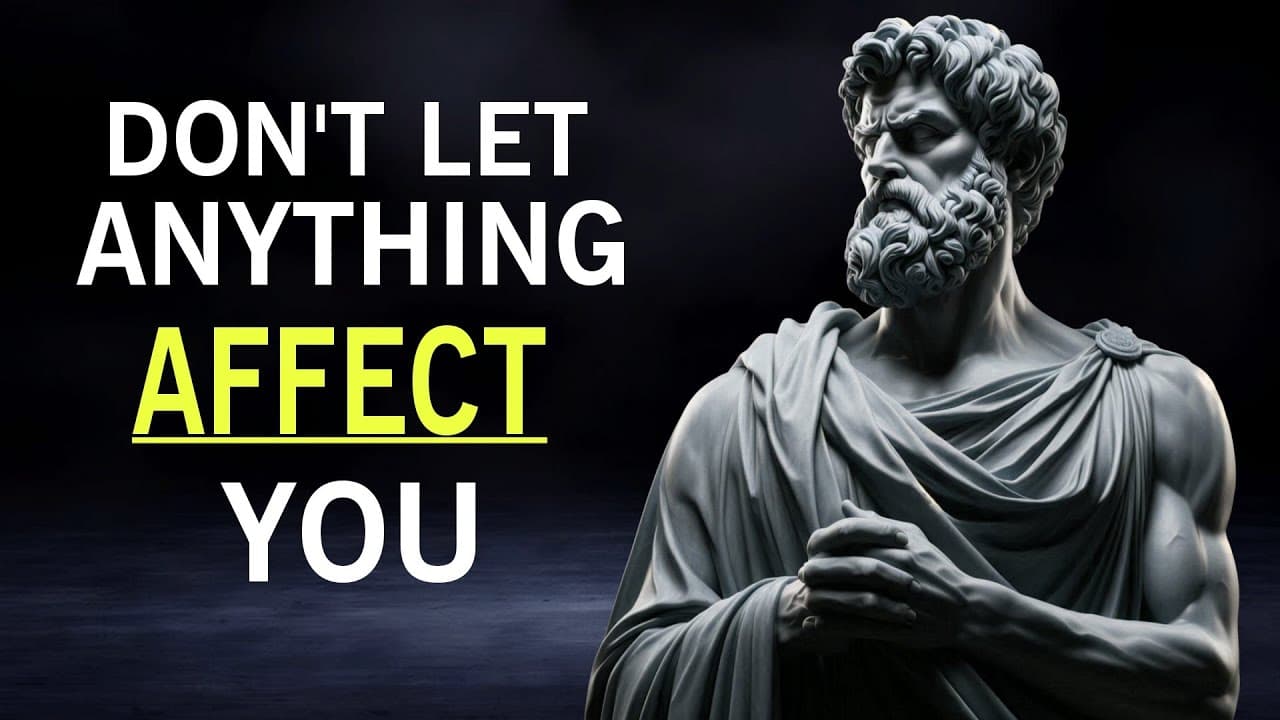
Master your emotional reactions by focusing on what you can control, adopt a clear firm purpose to guide daily decisions, and practice calm responses to stressful triggers. These practices help you remain grounded, resilient, and peaceful even when life throws setbacks or difficult people your way.
Transcript
hey everyone welcome back to another episode today we're diving into something that's truly lifechanging 10 stoic principles that will help you become unshakable no matter what life throws at you whether you're dealing with stress difficult people unexpected setbacks or just trying to stay grounded in a chaotic World stoicism has the tools to guide... Read More
Key Insights
- A firm purpose acts as an anchor during hard times
- Emotional control depends on interpretation and response not events
- Pausing before reacting buys mental space for better choices
- Reframing turns perceived attacks into opportunities for growth
- Focusing on what you can control restores personal power
- Visualization reinforces living in alignment with your purpose
- Regular reminders of purpose keep actions consistent with values
- Mindfulness helps notice emotions before they escalate
Install to Summarize YouTube Videos and Get Transcripts
Explore YouTube Video Summarizer or Get YouTube Transcript Extractor
Questions & Answers
Q: What does having a firm purpose mean in Stoic practice
Having a firm purpose means defining what truly matters at your core and letting that purpose guide daily decisions and actions. It acts as a compass during challenges, turning setbacks into steps toward your long term vision. By aligning choices with core values, you stay resilient and focused even when external circumstances are unpredictable.
Q: How can you begin to stay focused on your purpose every day
Begin by writing down your purpose and placing it somewhere visible. Create a daily ritual to reflect on how your actions align with that purpose. Use visualization to imagine living in alignment with it, including how you feel and how you interact with others. Regular reflection strengthens commitment and reduces drift.
Q: What role does emotional control play in Stoic philosophy
Emotional control is central in Stoicism. It is not about suppressing feelings but about controlling how you respond to events. By pausing, reframing, and choosing responses that align with virtue, you maintain steadiness. This shift from external events to internal choices creates resilience and reduces impulsive, regretful reactions.
Q: What practical steps help manage emotions in heated moments
Practical steps include pausing before reacting to give yourself time to think, reframing the situation to extract learning rather than offense, focusing on what you can control, and practicing mindfulness to detect rising emotions early. Implementing these steps consistently strengthens emotional regulation over time.
Q: How does focusing on control influence resilience
Focusing on control shifts attention from uncontrollable external events to your own attitudes and actions. This reduces feelings of helplessness and enhances agency. As you reinforce your ability to respond well, setbacks feel like manageable challenges rather than overwhelming threats, which builds steadier, more resilient behavior.
Q: Why is visualization recommended in maintaining purpose
Visualization reinforces the impression of living in alignment with your purpose by creating a vivid mental image of desired outcomes and reactions. It strengthens commitment, makes values feel tangible, and helps you rehearse choices before you face real situations, increasing the likelihood you act consistently with your long term goals.
Q: How can you use reflection to sustain daily purpose
Reflection involves regularly revisiting your core values, assessing whether current actions align with them, and adjusting routines to reduce drift. By making reflection a habit, you maintain clarity about why you do what you do, which sustains motivation and stabilizes behavior through changing life circumstances.
Q: What is the relationship between purpose and dealing with adversity
Purpose provides a north star that keeps you oriented during adversity. When challenges arise, you can view them as parts of your journey toward your purpose, which transforms obstacles into opportunities to develop resilience, patience, and skills that move you closer to your long term vision.
Summary & Key Takeaways
-
A firm purpose acts as an anchor during hard times and guides decisions toward meaningful outcomes.
-
Emotional control is learned by pausing before reacting, reframing challenges, and focusing on internal responses rather than external events.
-
Living with purpose and disciplined responses builds resilience, reduces reactivity, and fosters inner peace amidst chaos.
Read in Other Languages (beta)
Share This Summary 📚
Summarize YouTube Videos and Get Video Transcripts with 1-Click
Try YouTube Summary with ChatGPT & Claude or YouTube Transcript Generator
Explore More Summaries from Stoic Saga 📚
Summarize YouTube Videos and Get Video Transcripts with 1-Click
Try YouTube Summary with ChatGPT & Claude or YouTube Transcript Generator