How to Trap Players in Hoplite UHC Games
TL;DR
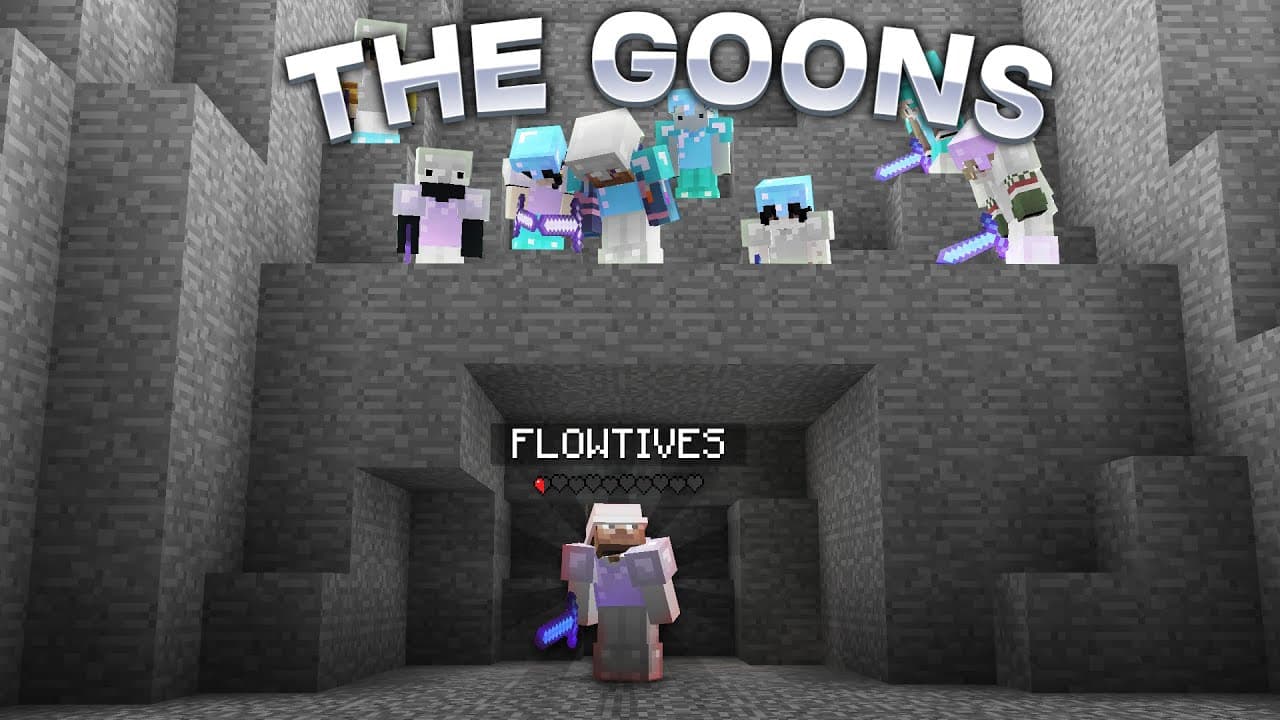
Lure Hoplite players into a cave, surround them with teammates, and attack before they can escape. Across five games, the group uses false promises of gold, requests for help, staged friendliness, and repeated invitations into supposedly safe areas, although skilled opponents and unexpected counterattacks sometimes disrupt the plan.
Transcript
yey season approaching [ __ ] whatever y'all been [ __ ] [ __ ] whatever y' been wear a monster about to come alive again soon as I pull up in park the we get this [ __ ] shaking like par take my number and lock it in on site on site how much do why not give a [ __ ] let me you right now you give it up how much do I not give a [ __ ] let me show yo... Read More
Key Insights
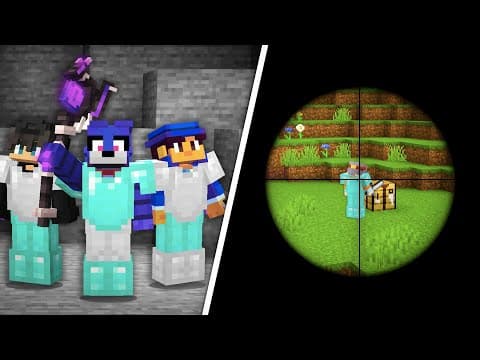
- The group’s main strategy is to lure Hoplite players into caves or confined areas, then attack with several teammates at once. Repeated commands to surround targets and prevent their escape show that positioning is central to each attempted ambush.
- Deception is the primary method for attracting targets. The players claim to know about gold, ask strangers to help kill another team, pretend to offer friendship, and repeatedly insist that suspicious cave entrances are not traps.
- Coordination depends on short, urgent voice commands. Calls such as “get him,” “come back,” and “don’t let him out” help the group begin attacks, pursue fleeing opponents, and concentrate their pressure on a selected player.
- The traps are not consistently successful against skilled opponents. Flowtives kills one of the group’s teammates and is described as a menace, forcing the remaining players to abandon their easy ambush expectations and focus on surviving the counterattack.
- The group uses recognition and familiarity to lower suspicion. They greet players, respond to fans, mention a YouTuber, and maintain friendly conversation long enough to encourage targets to approach before revealing the coordinated attack.
- The cave functions as both bait and a containment area. Players repeatedly direct strangers toward it, call it the “Goon cave,” and use nearby teammates to close routes once a target moves into a vulnerable position.
- Unexpected arrivals make the encounters more chaotic. The transcript records additional people approaching from behind, enemy teams near the cave, and warnings not to enter certain areas, requiring the group to change targets or react immediately.
- The session is structured as an intro followed by five games. The description marks Game 1 at 01:13, Game 2 at 02:41, Game 3 at 04:36, Game 4 at 07:49, and Game 5 at 09:15.
Install to Summarize YouTube Videos and Get Transcripts
Explore YouTube Video Summarizer or Get YouTube Transcript Extractor
Questions & Answers
Q: How do players set traps in Hoplite UHC games?
The group sets traps by choosing a cave or similarly confined location, placing teammates nearby, and persuading another player to approach. Once the target enters or reaches the entrance, the group attacks together, surrounds the player, and repeatedly calls for teammates to block escape. The method relies more on deception, positioning, and coordinated timing than on a detailed mechanical trap tutorial.
Q: How does the group lure Hoplite players into the cave?
The group uses several stories to make the cave sound useful or harmless. One player claims there is gold inside and suggests it could help make a golden apple. At other moments, the group asks a stranger to help fight another team, acts friendly, or explicitly says there is no trap. These claims encourage curious or cooperative players to move closer.
Q: Why is teamwork important for the Hoplite ambushes?
Teamwork lets the group pressure a target from several directions and reduce the chance of escape. The transcript contains repeated commands to attack, return to the group, turn around, and prevent someone from getting out. When targets fight back or begin running, teammates chase together and focus on the same opponent, although the coordination sometimes becomes confused during chaotic encounters.
Q: What happens when Flowtives encounters the trapping group?
Flowtives initially joins a conversation in which the group asks for help killing another team and directs him toward their chosen area. The ambush does not proceed easily because he fights effectively, kills one of their teammates, and is called a menace. The remaining players then focus on taking care of him while reacting to the danger created by his counterattack.
Q: What kinds of deception are used against Hoplite players?
The group uses false reassurance, friendly conversation, requests for cooperation, and promises of useful resources. They claim a cave contains gold, say suspicious situations are not traps, ask players to help attack another team, and sometimes pretend not to recognize a target. These tactics delay suspicion and encourage opponents to approach a location where several teammates are waiting to attack.
Q: What makes the cave useful for trapping players?
The cave gives the group a specific destination to advertise and a confined area where teammates can gather around an approaching target. The players repeatedly invite strangers inside, refer to it as the “Goon cave,” and position themselves to stop targets from leaving. The transcript does not provide construction instructions, but it shows that limited movement and nearby attackers support the ambush.
Q: Why do some Hoplite trapping attempts become chaotic?
The attempts become chaotic because targets can recognize danger, fight back, run away, heal, or receive help from newly arriving players. The group also encounters skilled resistance, including Flowtives killing a teammate. Voice chat fills with overlapping warnings and attack commands as the players switch between protecting themselves, chasing targets, blocking exits, and reacting to additional enemies nearby.
Q: How many Hoplite games are included in the session?
The description divides the session into five games after the intro. Game 1 begins at 01:13, Game 2 featuring Flowtives begins at 02:41, Game 3 begins at 04:36, Game 4 begins at 07:49, and Game 5 begins at 09:15. A like-and-subscribe segment is listed afterward at 10:08.
Summary & Key Takeaways
-
A coordinated group targets Hoplite players across five games, repeatedly drawing opponents toward caves or confined spaces before attacking together. The players use excited callouts to time each ambush, block escape routes, and chase survivors. Their traps produce several eliminations, but the encounters remain chaotic and unpredictable throughout the session.
-
Deception provides the setup for many encounters. Potential targets hear claims about hidden gold, requests to help defeat another team, assurances that an area contains no trap, or friendly greetings from apparent fans. Once someone approaches the chosen location, the group changes tone, surrounds the target, and begins its coordinated attack.
-
The plan does not always work cleanly. One skilled opponent kills a teammate and becomes a serious threat, other players recognize suspicious behavior, and additional enemies sometimes arrive near the trap. The group responds with pursuit, repeated warnings, improvised teamwork, and constant calls to prevent targeted players from escaping or healing.
Read in Other Languages (beta)
Share This Summary 📚
Summarize YouTube Videos and Get Video Transcripts with 1-Click
Try YouTube Summary with ChatGPT & Claude or YouTube Transcript Generator
Explore More Summaries from JudeLow 📚
Summarize YouTube Videos and Get Video Transcripts with 1-Click
Try YouTube Summary with ChatGPT & Claude or YouTube Transcript Generator