How Can Simple PPC Copy Changes Increase Clickthrough Rate by 289%?
TL;DR
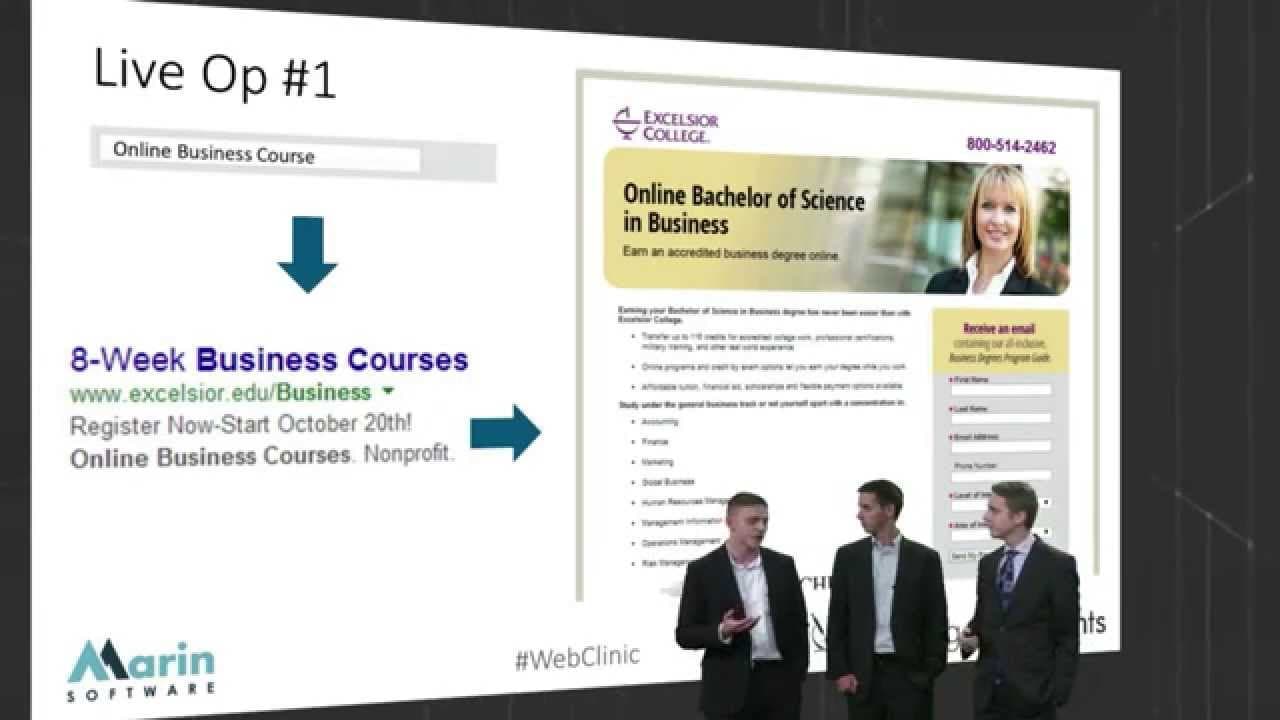
Simple copy changes can improve PPC clickthrough rate by changing how customers interpret an ad. A depression recovery ad received 289% more clicks when “clinic” was replaced with “center,” while a back pain ad generated 47% more clicks despite most participants predicting the other version would win. Read on to see why testing and word connotation matter more than marketer intuition.
Transcript
all right Thank You Luke thank you very much like Louis Luke was saying my name is Austin the crow and I just want to welcome you to this edition of the marketing experiments web clinic if you're new to these clinics our mantra our goal here is simple it's simply this we want to discover what works in online testing and to that end we actually have... Read More
Key Insights
- Small PPC copy changes can substantially alter response rates. One experiment reported 47% more clicks for its winning advertisement, while another reported a 289% increase after changing only one word, demonstrating that limited edits can have meaningful effects on campaign performance.
- Marketer intuition is not a dependable substitute for testing. Most webinar participants selected version B in the back pain advertisement comparison, yet version A generated 47% more clicks, showing that the option that seems more persuasive can still underperform with actual customers.
- The back pain advertisement result was statistically validated at a confidence level of at least 95%. This validation supports treating the 47% difference as a solid experimental result rather than relying solely on the audience vote or an informal comparison of the two advertisements.
- The depression recovery advertisement improved by replacing "clinic" with "center." That single-word change produced 289% more clicks for version B, making word choice the central tested variable and highlighting how a narrowly focused experiment can reveal a large response difference.
- Connotation is the emotional or associative meaning that distinguishes otherwise similar terms. Although "clinic" and "center" have comparable textbook definitions, the presentation argues that their connotations differ, which offers an explanation for why customers responded more strongly to one advertisement.
- Denotation alone does not explain customer response. The definitions presented for "clinic" and "center" both describe places or facilities providing a service, yet their advertisements performed differently, indicating that literal meaning is only one part of how prospective customers interpret PPC copy.
- The purpose of an experiment is to discover why one advertisement outperforms another. A percentage lift is useful, but the deeper objective is to identify a reusable principle, such as connotation, that can guide future PPC copy decisions and further testing.
- PPC optimization can improve the return generated from existing advertising spending. Because campaign copy is relatively easy to change, testing small wording variations may help marketers gain more response from campaigns that already require significant financial investment.
Install to Summarize YouTube Videos and Get Transcripts
Explore YouTube Video Summarizer or Get YouTube Transcript Extractor
Questions & Answers
Q: How can small copy changes improve PPC clickthrough rates?
Small changes can alter the associations customers attach to an advertisement. In the depression recovery experiment, replacing “clinic” with “center” produced 289% more clicks, even though the two words have similar literal meanings.
Q: Why should marketers test PPC ads instead of trusting intuition?
Intuitive predictions can conflict with actual customer behavior. About 75% of the audience chose version B in the back pain treatment comparison, but version A generated 47% more clicks.
Q: What changed in the PPC ad that generated 289% more clicks?
Only one word changed in the advertisement for a depression recovery facility. Version A used “clinic,” while the winning version B used “center” and generated 289% more clicks.
Q: What did the back pain PPC advertisement experiment show?
Version A generated 47% more clicks than version B, although most audience members expected version B to win. The MECLABS test was statistically validated at a confidence level of at least 95%.
Q: What is connotation in PPC advertising?
Connotation is the set of associations or impressions attached to a word beyond its literal definition. The different connotations of “clinic” and “center” were presented as an explanation for the 289% difference in clicks.
Q: What is the difference between denotation and connotation in ad copy?
Denotation is a word’s direct or textbook meaning, while connotation concerns the impressions associated with it. “Clinic” and “center” have similar denotations, but their differing connotations produced different customer responses in the tested PPC ads.
Q: How should marketers use PPC experiment results?
Marketers should identify both which advertisement won and why customers responded differently. The experiments used lifts of 47% and 289% to examine a broader principle: word connotation can influence PPC response.
Q: Why can PPC copy optimization improve advertising returns?
PPC copy optimization can generate more response from existing advertising spending because campaign wording is relatively easy to change. In the examples, small copy differences produced 47% more clicks in one test and 289% more clicks in another.
Summary & Key Takeaways
-
The clinic examines how small copy changes influence responses to pay-per-click advertisements. Two experiments produced substantial gains: one advertisement generated 47% more clicks, while another achieved a 289% increase after changing only one word. Both results illustrate why marketers should experimentally compare alternative messages instead of selecting copy through intuition alone.
-
The first comparison concerned advertisements aimed at people seeking back pain treatment. Most audience members predicted that version B would win, but version A generated 47% more clicks. The experiment was run through MECLABS and statistically validated at a confidence level of at least 95%, providing a strong basis for examining the winning message.
-
The second comparison concerned advertisements for a depression recovery facility. Version B outperformed version A by 289%, although only one word differed: "center" replaced "clinic." Their dictionary meanings were similar, but their connotations were not. The clinic presents this distinction as a practical principle for understanding why customers favor particular PPC advertisements.
Read in Other Languages (beta)
Share This Summary 📚
Summarize YouTube Videos and Get Video Transcripts with 1-Click
Try YouTube Summary with ChatGPT & Claude or YouTube Transcript Generator
Explore More Summaries from Flint McGlaughlin 📚

Summarize YouTube Videos and Get Video Transcripts with 1-Click
Try YouTube Summary with ChatGPT & Claude or YouTube Transcript Generator