How to Safely Extract Mercury from Contaminated Water
TL;DR
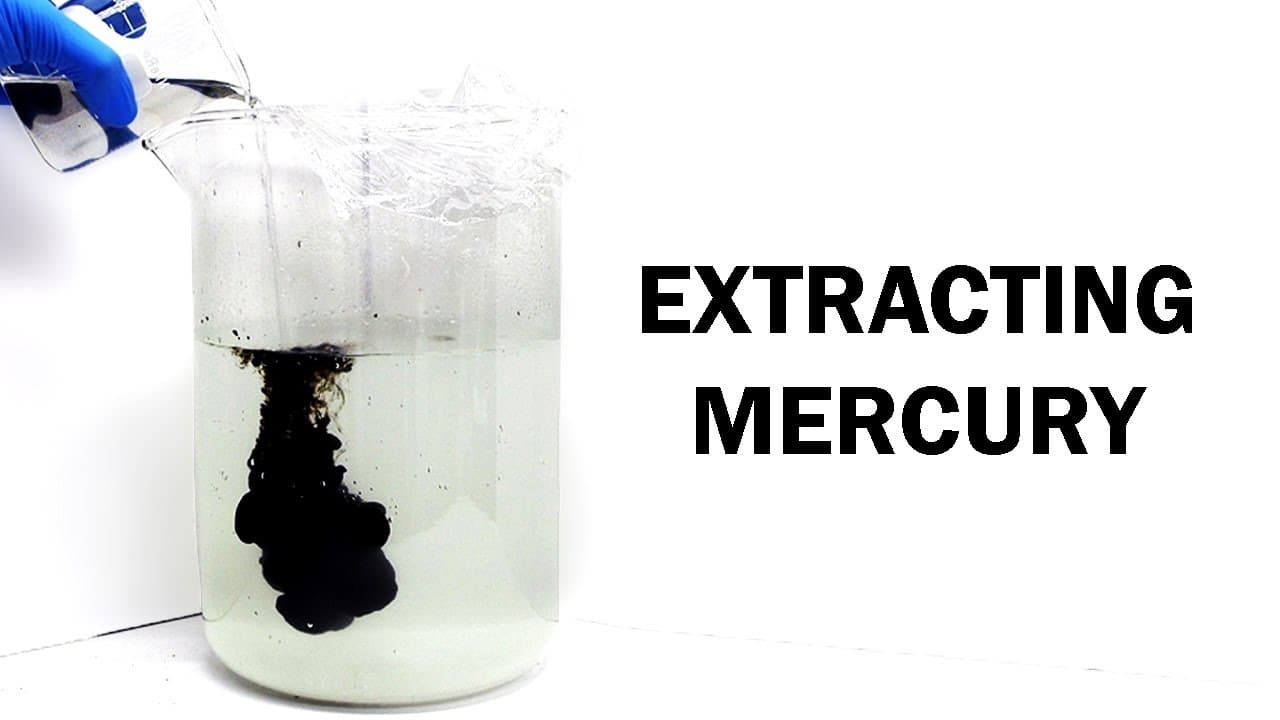
To safely extract mercury from contaminated water, use the sulfide precipitation method by adding sodium sulfide to precipitate mercury as insoluble mercury sulfide. First, neutralize any acidic solutions with sodium bicarbonate, and then filter the mercury sulfide for safe disposal. Always keep detailed records of your waste to prevent mishaps.
Transcript
in chemistry chemical waste is pretty much unavoidable and it's very important that you dispose of it safely over the years I've collected a decent amount of waste and I want to show you guys how I'm dealing with it I've decided to make this into a small series so over the course of several videos I'm going to try and cover the major types of waste... Read More
Key Insights
- 🦺 Chemical waste management is essential in chemistry to ensure the safety of both individuals and the environment.
- 🪈 Proper record-keeping of waste contents is crucial to prevent mishandling and accidental mixing of chemicals.
- 💦 The sulfide precipitation method can effectively convert water-based mercury waste into insoluble mercury sulfide for easier disposal.
- 🪜 Neutralizing acidic solutions before adding sodium sulfide helps prevent the breakdown of sodium sulfide.
- 😥 Adding excess sodium bicarbonate creates a buffered solution, maintaining a consistent pH level during the treatment process.
- 💦 Vacuum filtration is an effective method to remove excess water from mercury sulfide.
- 🗑️ Disposing of waste in an environmentally friendly manner, such as diluting treated waste and pouring it down the drain, requires careful consideration and adherence to local regulations.
Install to Summarize YouTube Videos and Get Transcripts
Explore YouTube Video Summarizer or Get YouTube Transcript Extractor
Questions & Answers
Q: Why is it important to keep a record of the contents of each waste bottle?
Keeping a record of the contents is crucial to ensure proper handling and disposal. Forgetting what is in the waste bottle can lead to mishandling or accidental mixing of incompatible chemicals, potentially causing safety hazards.
Q: How does sodium sulfide help in the treatment process?
Sodium sulfide reacts with mercury ions to form insoluble mercury sulfide, which can be filtered off. It plays a crucial role in converting mercury waste into a more manageable form for disposal.
Q: Can the sodium bicarbonate used for neutralization be replaced with other bases?
While it is possible to use other bases like sodium hydroxide, sodium bicarbonate is preferred due to its controlled neutralization. Sodium hydroxide can easily lead to overshooting the neutral point, resulting in the formation of mercury hydroxide.
Q: What is the purpose of using sea light in the filtration process?
Sea light, which is fine silicon dioxide, helps trap small particles of mercury sulfide that may pass through the filter paper. It also prevents the filter paper from clogging, ensuring efficient filtration.
Summary & Key Takeaways
-
The content discusses the safe disposal of water-based mercury waste and emphasizes the importance of proper waste management in chemistry.
-
The author shares their experience with dealing with accumulated mercury waste and provides step-by-step instructions on how to dispose of it safely.
-
The sulfide precipitation method is used to precipitate mercury as mercury sulfide, which is then filtered off, while the water is discarded.
Read in Other Languages (beta)
Share This Summary 📚
Summarize YouTube Videos and Get Video Transcripts with 1-Click
Try YouTube Summary with ChatGPT & Claude or YouTube Transcript Generator
Explore More Summaries from NileRed 📚

Summarize YouTube Videos and Get Video Transcripts with 1-Click
Try YouTube Summary with ChatGPT & Claude or YouTube Transcript Generator