Talk about your death while you're still healthy | Michelle Knox
TL;DR
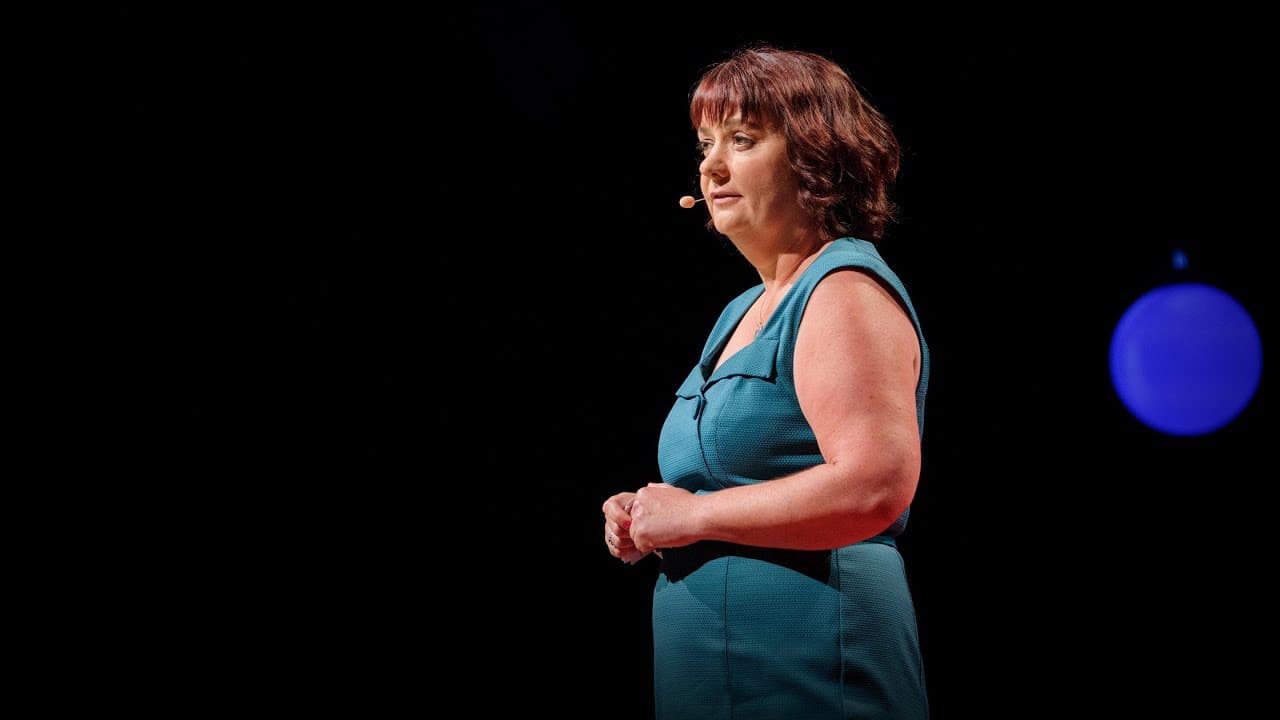
In this talk, the speaker discusses the importance of discussing and planning for death to have a good death and support those who are grieving.
Transcript
Translator: Joseph Geni Reviewer: Krystian Aparta To kick the bucket, bite the dust, cash in your chips, check out, depart, expire, launch into eternity ... These are all euphemisms we use in humor to describe the one life event we are all going to experience: death. But most of us don't want to acknowledge death, we don't want to plan for it, and ... Read More
Key Insights
- 🗣️ Discussing death as part of day-to-day living allows us to reflect on our core values, share them with loved ones, and make informed decisions about honoring our legacy.
- ⚰️ Planning for death, including having a will, can help ensure a good death and reduce stress for loved ones.
- 🔍 Many adults do not have a legal will, which can lead to complications and unintended consequences after death.
- 💔 Talking about death can help us support those who are grieving by being patient, understanding, and simply being there for them.
- 💡 Hosting events like "Death Over Dinner" or "Death Cafes" can provide a casual and insightful way to discuss death and preferences for the afterlife.
- 💀 Knowing the legal requirements for disposing of a body, such as burial, cremation, or body donation to science, can help inform end-of-life decisions.
- 💙 Each person's grieving process is unique, and it's important to support them without trying to fix or minimize their pain.
- 💫 Funerals and memorial services can take many forms, and it's important to respect and honor the wishes of the deceased.
- 🎉 Planning one's own sendoff, such as a big party with music, laughter, and champagne, can be a way to celebrate and be remembered.
Install to Summarize YouTube Videos and Get Transcripts
Explore YouTube Video Summarizer or Get YouTube Transcript Extractor
Questions & Answers
Q: Why don't most people want to acknowledge death or plan for it?
Most people don't want to acknowledge death or plan for it because it is a difficult and uncomfortable topic to discuss. It can bring up feelings of fear, sadness, and uncertainty about the future.
Q: How did the speaker's experience with attending her first funeral impact her perspective on death and the grieving process?
Attending her first funeral at age 15 made the speaker realize that death is a normal part of life. It also highlighted the importance of accurately representing the life and accomplishments of the deceased during the funeral.
Q: How can discussing death as part of day-to-day living benefit individuals and their loved ones?
Discussing death as part of day-to-day living allows individuals to reflect on their core values and share them with loved ones. This open communication helps survivors make informed decisions about honoring the legacy of their loved ones without fear or regret.
Q: How can different cultural backgrounds influence the way people honor and mourn the passing of a loved one?
Different cultural backgrounds can lead to significant differences in how people honor and mourn the passing of a loved one. For example, some cultures may have specific customs and protocols, such as limiting the use of photographs or holding a smoking ceremony, while others may focus on talking about the deceased and sharing photographs.
Q: Why should individuals plan for their death and communicate their wishes to their loved ones?
Planning for death and communicating one's wishes to loved ones helps ensure that individuals can experience a good death and reduce the stress on their loved ones. It allows for important decisions, such as funeral arrangements and organ donation, to be made in advance, without the burden of emotions clouding judgment.
Summary & Key Takeaways
-
Many people avoid acknowledging and discussing death, but talking about it can give us the opportunity to reflect on our values, share them with loved ones, and make informed decisions for our legacy.
-
Planning for death is important, such as writing a will and discussing preferences for funeral arrangements. Without proper planning, the process can become complicated and expensive for loved ones.
-
By talking about death and supporting those who are grieving, we can become more comfortable with the emotions surrounding grief and provide meaningful support to those who have lost a loved one.
Read in Other Languages (beta)
Share This Summary 📚
Summarize YouTube Videos and Get Video Transcripts with 1-Click
Try YouTube Summary with ChatGPT & Claude or YouTube Transcript Generator
Explore More Summaries from TED 📚






Summarize YouTube Videos and Get Video Transcripts with 1-Click
Try YouTube Summary with ChatGPT & Claude or YouTube Transcript Generator