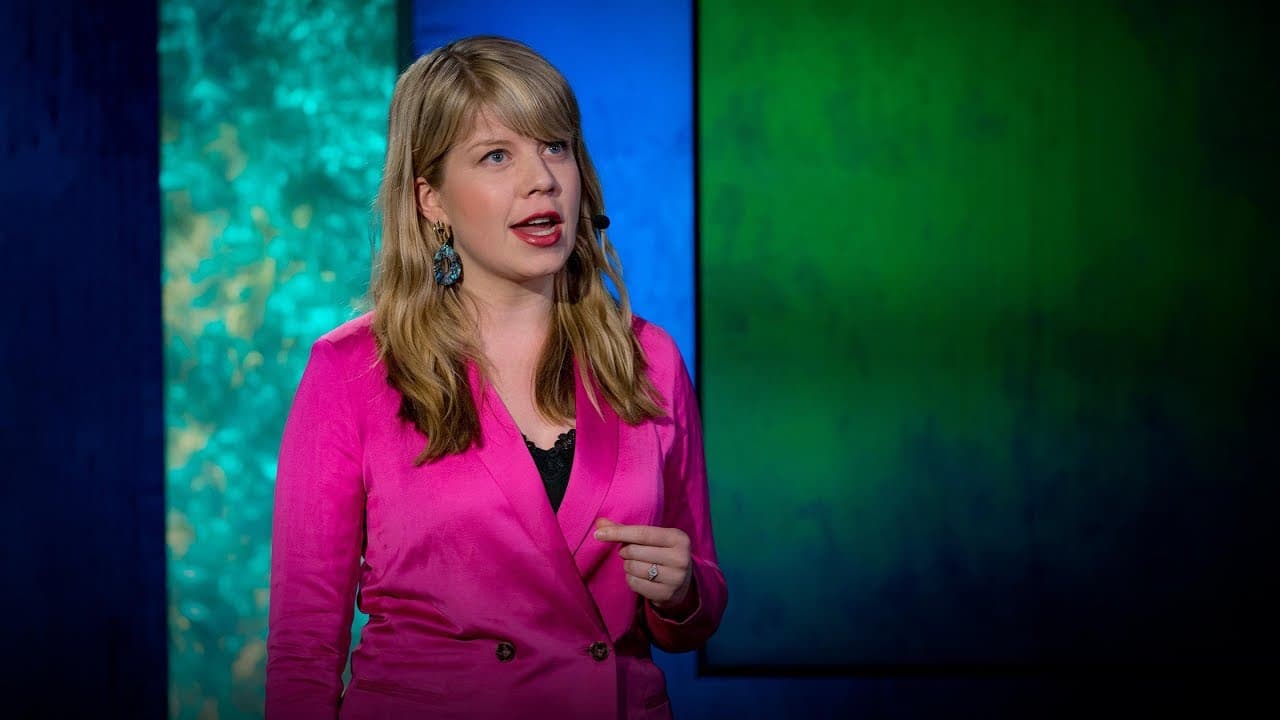
How climate change affects your mental health | Britt Wray
TL;DR
Climate change significantly affects mental, social, and spiritual well-being.
Transcript
Read and summarize the transcript of this video on Glasp Reader (beta).
Key Insights
- The psychological impacts of climate change, such as fear and hopelessness, are often overlooked despite their significance.
- Climate disasters can lead to trauma, strained relationships, and substance abuse, affecting individuals' mental health deeply.
- Communities like the Inuit in Labrador face existential distress as environmental changes threaten their cultural identity.
- Psychological responses to climate change, such as conflict avoidance and helplessness, hinder problem-solving and resilience building.
- The decision to have children is influenced by climate concerns, with movements like BirthStrike emerging in response.
- Climate change exacerbates existing stresses in marginalized communities, increasing their vulnerability.
- The field of climate psychiatry is growing, addressing climate-linked psychological stress and its impacts on future generations.
- Activism, therapy, and self-reflection are suggested as ways to cope with climate-induced psychological distress.
Install to Summarize YouTube Videos and Get Transcripts
Explore YouTube Video Summarizer or Get YouTube Transcript Extractor
Questions & Answers
Q: What psychological impacts of climate change are often overlooked?
Psychological impacts such as fear, fatalism, hopelessness, and trauma are often overlooked in discussions about climate change. These feelings can lead to strained relationships, substance abuse, and loss of personal identity and control, significantly affecting individuals' mental health and well-being.
Q: How does climate change affect communities like the Inuit in Labrador?
Communities like the Inuit in Labrador face existential distress as they witness the vanishing ice, a significant part of their cultural identity. This environmental change threatens their way of life, leading to psychological distress and a sense of loss, as their environment is integral to their cultural and social fabric.
Q: What psychological responses to climate change hinder addressing the problem?
Responses such as conflict avoidance, helplessness, and resignation hinder efforts to address climate change. These psychological barriers prevent individuals from identifying the problem's causes, working on solutions, and fostering psychological resilience, all of which are essential for tackling climate change effectively.
Q: Why are some people reconsidering having children due to climate change?
Concerns about the future climate conditions and the ethical implications of increasing greenhouse gas emissions lead some to reconsider having children. Movements like BirthStrike reflect this concern, as people fear bringing children into a world facing severe climate challenges and inaction from governments.
Q: How does climate change exacerbate stresses in marginalized communities?
Climate change compounds existing stresses in marginalized communities by increasing resource scarcity and vulnerability to environmental disasters. This intersectionality multiplies the challenges these communities face, such as poverty, health issues, and displacement, further exacerbating their socio-economic and psychological burdens.
Q: What is the role of climate psychiatry in addressing climate-linked stress?
Climate psychiatry addresses the psychological stress linked to climate change, providing support for individuals experiencing climate-related anxiety and trauma. This emerging field aims to help people cope with the mental health challenges posed by climate change, particularly among younger generations who feel uncertain about their future.
Q: What coping mechanisms are suggested for dealing with climate-induced distress?
Activism, therapy, and self-reflection are suggested as coping mechanisms for dealing with climate-induced distress. Engaging in activism can provide a sense of purpose, therapy offers professional support, and self-reflection helps individuals prioritize what matters most, aiding in managing the emotional toll of climate change.
Q: Why is it important to integrate mental health into climate change strategies?
Integrating mental health into climate change strategies is crucial because the psychological impacts are significant and widespread. Addressing mental health ensures comprehensive climate change strategies that consider individuals' well-being, fostering resilience and effective action against climate challenges, and requiring adequate funding and awareness.
Summary & Key Takeaways
-
Britt Wray discusses the overlooked psychological impacts of climate change, emphasizing its effects on mental, social, and spiritual well-being. She highlights how climate disasters lead to trauma and strained relationships, urging for policies that address these mental health challenges.
-
The talk explores the existential distress faced by communities like the Inuit due to environmental changes. It also addresses the growing concern among younger generations about having children in a world increasingly threatened by climate change.
-
Wray calls for integrating mental health into climate change strategies, advocating for activism, therapy, and self-reflection as coping mechanisms. She stresses the need for awareness and funding to address the psychological impacts of climate change.
Read in Other Languages (beta)
Share This Summary 📚
Summarize YouTube Videos and Get Video Transcripts with 1-Click
Try YouTube Summary with ChatGPT & Claude or YouTube Transcript Generator
Explore More Summaries from TED 📚






Summarize YouTube Videos and Get Video Transcripts with 1-Click
Try YouTube Summary with ChatGPT & Claude or YouTube Transcript Generator