How I learned to read -- and trade stocks -- in prison | Curtis "Wall Street" Carroll
TL;DR
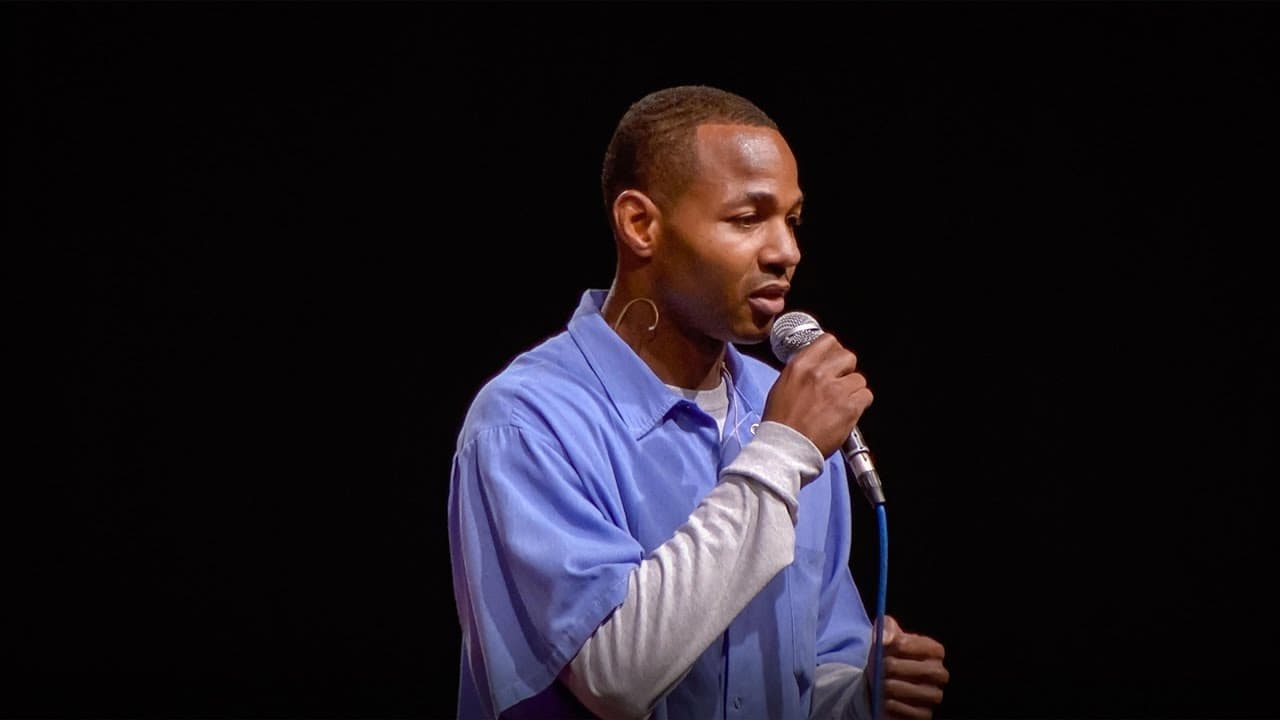
Curtis Carroll learned financial literacy in prison after realizing that money rules both the streets and incarceration. By teaching himself to read and understand stocks, he transformed his life and now advocates for financial education among incarcerated individuals, emphasizing its critical role in breaking the cycle of crime and poverty.
Transcript
I was 14 years old inside of a bowling alley, burglarizing an arcade game, and upon exiting the building a security guard grabbed my arm, so I ran. I ran down the street, and I jumped on top of a fence. And when I got to the top, the weight of 3,000 quarters in my book bag pulled me back down to the ground. So when I came to, the security guard was... Read More
Key Insights
- 👑 Financial literacy is crucial and can empower individuals to make better financial decisions and break free from a life of crime and poverty.
- 📚 Illiteracy and lack of access to education are significant barriers that can trap individuals in a cycle of crime and financial instability.
- 💰 Money rules the world and holds significant power in society, driving individuals to engage in criminal activities for financial gain.
- 📖 Learning to read and becoming literate can be transformative, enabling individuals to gain knowledge, self-worth, and discipline.
- 🌍 Financial illiteracy is a widespread issue that affects both incarcerated individuals and the general population, leading to numerous societal problems including poverty and crime.
- 🔒 The prison system often fails to provide incarcerated individuals with the necessary financial education and tools to succeed upon reentry into society.
- 🚧 Financial literacy is not just a skill but a lifestyle, and it is essential for both personal and societal financial stability.
- 💡 Providing financial education and emotional literacy programs to incarcerated individuals can contribute to their successful rehabilitation and reintegration into society.
Install to Summarize YouTube Videos and Get Transcripts
Explore YouTube Video Summarizer or Get YouTube Transcript Extractor
Questions & Answers
Q: What was the speaker's upbringing like?
The speaker grew up in Oakland, California, in an environment where his mother and members of his immediate family were addicted to crack cocaine. He lived in homeless shelters and often relied on breadlines and soup kitchens for meals.
Q: How did the speaker initially view money and crime?
The speaker's environment taught him that "money rules the world" and that in the streets, "money is king." Growing up, he believed that crime was his only option as he couldn't read, write, or spell, and nobody had ever told him he could be something like a lawyer or doctor.
Q: What was the turning point for the speaker in terms of financial literacy?
At 22 years old, the speaker decided to pick up a book and learn how to read. This was a challenging experience as he faced ostracization from his family and friends. However, through learning how to read, he gained self-worth, knowledge, and discipline.
Q: What motivated the speaker to teach others about financial management and investing?
The speaker realized that a significant percentage of the American population, including NBA and NFL players, struggled with financial issues and had limited savings. He felt that if society couldn't manage their own finances, they wouldn't be able to effectively help incarcerated individuals transition back into society.
Q: What program did the speaker co-found to address financial illiteracy among incarcerated individuals?
The speaker co-founded a program called Financial Empowerment Emotional Literacy (FEEL). This program focuses on teaching incarcerated individuals how to separate emotional decisions from financial decisions and provides them with timeless rules on personal finance, such as saving, controlling living expenses, borrowing money effectively, and diversifying finances. The goal is to equip incarcerated individuals with the necessary life skills for financial stability upon reentering society.
Summary
In this powerful video, the speaker shares his personal journey from a life of crime and illiteracy to becoming a financial educator and advocate for financial empowerment and emotional literacy. He emphasizes the importance of financial literacy, especially for incarcerated individuals, and calls for a shift in society's approach to money management.
Questions & Answers
Q: What was the speaker's upbringing like?
The speaker grew up in Oakland, California, surrounded by family members addicted to crack cocaine. He lived in homeless shelters, often relied on breadlines and soup kitchens for meals, and witnessed his mother selling her blood for money.
Q: How did the speaker view money and his community growing up?
The speaker believed that money ruled the world and that in his community, money was king. Seeing the drug dealers, robbers, and blood bank taking "blood money," he felt that crime was the only way to secure financial stability since his community didn't care about his life.
Q: How did the speaker's perspective on crime change?
The speaker initially saw crime as his only option since he couldn't read, write, or spell, and nobody had told him he was capable of being a lawyer, doctor, or engineer. However, when he heard about stocks and a potential future, he saw a glimpse of hope and decided to turn his life around.
Q: How did the speaker learn to read and write?
At 20 years old, the speaker picked up a book and struggled to learn how to read. Despite the ostracization from family and friends, he persevered and found joy in reading anything he could get his hands on, even candy wrappers.
Q: How did the speaker's attitude towards his community change?
As the speaker gained self-worth, knowledge, and discipline through his literacy journey, he began to care about his community and its struggles. He realized that financial illiteracy was a disease that affected minorities and the lower class, and he felt an obligation to help others on the same path.
Q: What statistics shocked the speaker and led him to take action?
The speaker discovered that over 60 percent of Americans have less than $1,000 in savings, and a significant percentage of NBA and NFL players go broke. Additionally, financial issues contribute to 40 percent of marital problems. These statistics highlighted the urgency of addressing financial illiteracy.
Q: What program did the speaker cofound?
The speaker cofounded the Financial Empowerment Emotional Literacy (FEEL) program. It teaches incarcerated individuals how to separate emotional decisions from financial decisions and provides them with timeless rules for personal finance, including saving, controlling cost of living, borrowing money effectively, and diversifying finances.
Q: Why does the speaker believe that everyone can manage money effectively?
The speaker challenges the notion that only professionals can manage money. He argues that individuals are the true professionals in knowing how much money they need, have, and want. Financial literacy is not just a skill but a lifestyle, and anyone can become a financially sound citizen.
Q: What is the speaker's vision for financial empowerment?
The speaker believes that financial stability is a byproduct of a proper lifestyle, and a financially empowered incarcerated person can become a taxpaying citizen. By providing simple and easy-to-use financial empowerment and emotional literacy curricula, society can bridge the gap and help individuals make better life decisions.
Q: What invitation does the speaker extend to the audience?
The speaker invites anyone who doubts the importance of financial literacy to take his class. He promises to show them how much money they lose every time they make emotional decisions.
Takeaways
Financial illiteracy is a pervasive issue that has deeply impacted minorities and the lower class in our society. The speaker highlights the urgency of addressing this problem and emphasizes the need to provide incarcerated individuals with financial education and life skills. With proper financial empowerment, individuals can transition from being incarcerated to becoming taxpaying citizens, fostering a safer and more financially stable society.
Summary & Key Takeaways
-
The speaker grew up in a low-income community and turned to crime due to lack of opportunities and financial desperation.
-
In prison, the speaker learned about stocks and the value of financial literacy, which sparked a desire to educate others, particularly incarcerated individuals, about managing money.
-
Financial illiteracy is a widespread issue that has negative consequences on individuals and society as a whole, and the speaker advocates for teaching financial empowerment and emotional literacy as a way to address this problem.
Read in Other Languages (beta)
Share This Summary 📚
Summarize YouTube Videos and Get Video Transcripts with 1-Click
Try YouTube Summary with ChatGPT & Claude or YouTube Transcript Generator
Explore More Summaries from TED 📚


Summarize YouTube Videos and Get Video Transcripts with 1-Click
Try YouTube Summary with ChatGPT & Claude or YouTube Transcript Generator