What Are the Consequences of Plastic Pollution?
TL;DR
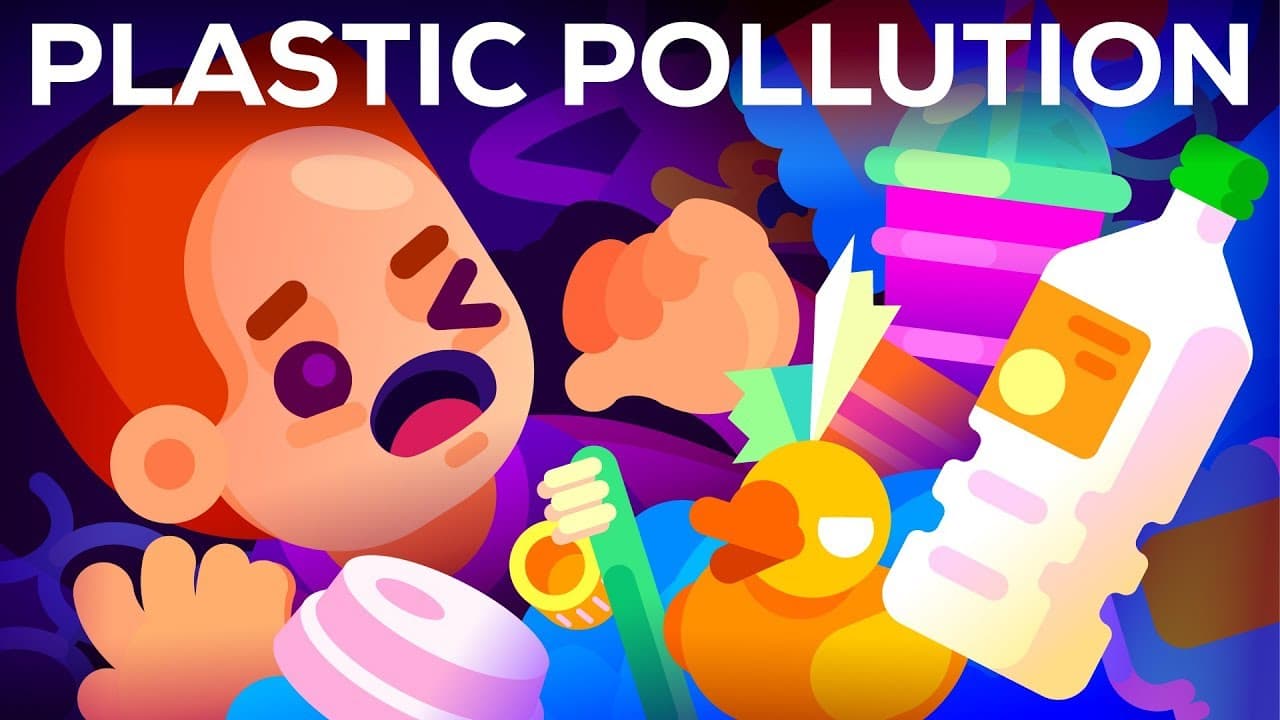
Plastic pollution poses severe risks to the environment and human health, contributing to the deaths of marine life and the contamination of the food chain with microplastics. With 79% of plastic waste remaining in the environment and significant amounts entering the ocean each year, urgent global action is required to tackle this complex issue effectively.
Transcript
When the gods granted king Midas one wish, he wished that everything he touched would turn to gold. Midas was delighted. Trees, rocks, buildings all gold. But soon he found in horror that his food turned into gold as well. When he hugged his daughter to soothe his pain, he realized his mistake too late. The richest man in existence was starving, he... Read More
Key Insights
- 🌐 Plastic, a versatile and affordable material, has resulted in a global waste management problem due to its immense usage for disposable items and packaging.
- 😋 Plastic waste, especially microplastics, poses a significant threat to marine life and human health as they infiltrate our oceans and food chain.
- 🧑⚕️ While the impact of microplastics on human health is still inconclusive, there are concerns about the chemicals added to plastic affecting hormonal systems and causing cancer.
- 🌍 Plastic pollution demands a global perspective, as the majority of plastic waste entering the ocean comes from ten rivers in Asia and Africa.
- 🏛️ Developing countries need support in building proper waste management infrastructure to tackle the plastic pollution issue effectively.
- ⚖️ Balancing environmental considerations and practical alternatives is crucial in finding solutions to plastic pollution.
- ❓ Individual actions, such as refusing disposable plastics, pressuring companies and politicians, and supporting campaigns, can contribute to combating plastic pollution.
- 😋 Collaboration and collective efforts are essential to achieving a cleaner environment and safer food sources.
Install to Summarize YouTube Videos and Get Transcripts
Explore YouTube Video Summarizer or Get YouTube Transcript Extractor
Questions & Answers
Q: How long does it take for plastic to break down?
Due to its durability, it takes between 500 and 1,000 years for plastic to decompose fully. This means that the majority of plastic we have produced still exists in our environment.
Q: What causes marine animals to ingest plastic?
Plastic waste, including microplastics, is often mistaken for food by marine animals. The presence of plastic in their stomachs can lead to malnutrition, starvation, and death.
Q: Are microplastics harmful to human health?
There is limited scientific research on the health effects of microplastics. However, there are concerns about potential risks from the chemicals added to plastic, such as BPA and DEHP, which may interfere with hormonal systems and cause cancer.
Q: Can we simply ban plastics to solve the problem?
Banning plastics is not a straightforward solution. Some plastic substitutes may have higher environmental impacts, and plastic packaging helps prevent food waste. Addressing plastic pollution requires a complex balance between environmental considerations and practical alternatives.
Key Insights:
- Plastic, a versatile and affordable material, has resulted in a global waste management problem due to its immense usage for disposable items and packaging.
- Plastic waste, especially microplastics, poses a significant threat to marine life and human health as they infiltrate our oceans and food chain.
- While the impact of microplastics on human health is still inconclusive, there are concerns about the chemicals added to plastic affecting hormonal systems and causing cancer.
- Plastic pollution demands a global perspective, as the majority of plastic waste entering the ocean comes from ten rivers in Asia and Africa.
- Developing countries need support in building proper waste management infrastructure to tackle the plastic pollution issue effectively.
- Balancing environmental considerations and practical alternatives is crucial in finding solutions to plastic pollution.
- Individual actions, such as refusing disposable plastics, pressuring companies and politicians, and supporting campaigns, can contribute to combating plastic pollution.
- Collaboration and collective efforts are essential to achieving a cleaner environment and safer food sources.
Note: The content has been condensed and rewritten in a concise format to fit the given word limits.
Summary & Key Takeaways
-
Plastic, a synthetic polymer made from crude oil, has revolutionized our world with its versatility and affordability.
-
However, the immense use of plastic for disposable items and packaging has led to a massive waste management problem.
-
Plastic waste, especially microplastics, poses a threat to marine life, human health, and the environment as a whole.
Read in Other Languages (beta)
Share This Summary 📚
Summarize YouTube Videos and Get Video Transcripts with 1-Click
Try YouTube Summary with ChatGPT & Claude or YouTube Transcript Generator
Explore More Summaries from Kurzgesagt – In a Nutshell 📚



Summarize YouTube Videos and Get Video Transcripts with 1-Click
Try YouTube Summary with ChatGPT & Claude or YouTube Transcript Generator