What Are the Three Major Future Changes?
TL;DR
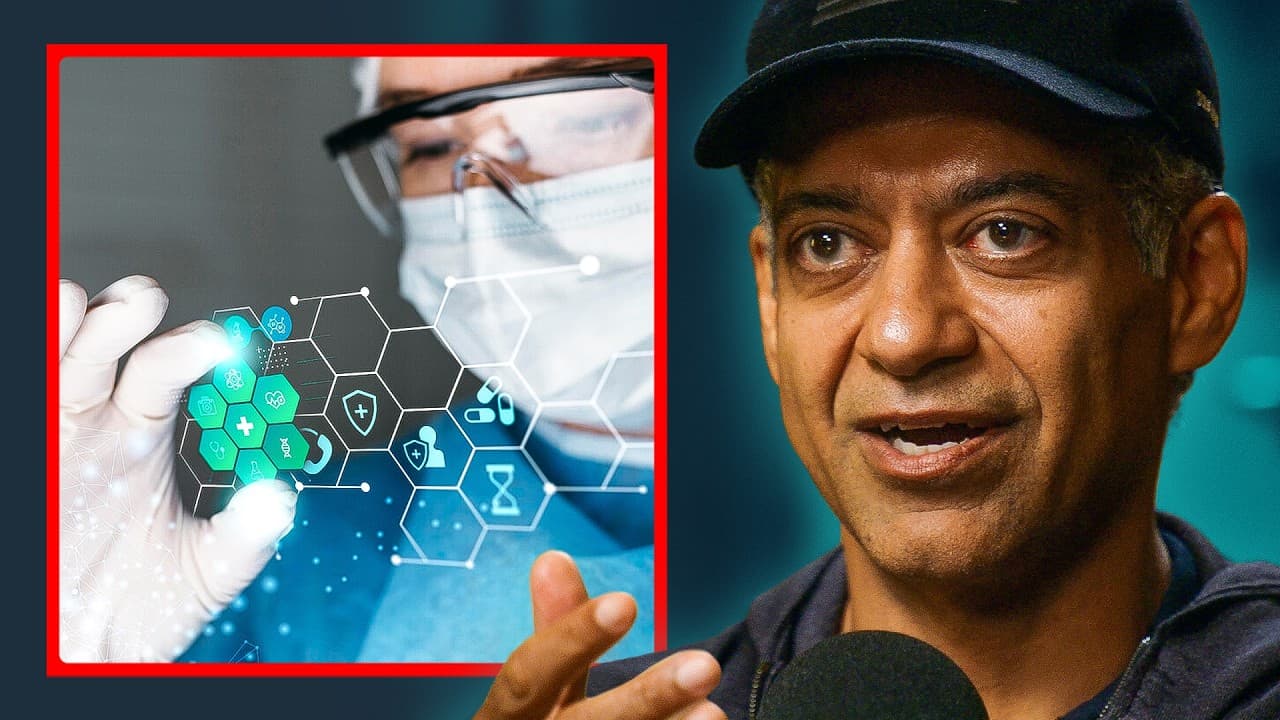
Naval Ravikant discusses three significant changes expected in the near future: the underestimated state of modern medicine, the transformative role of drones in warfare, and the impact of GLP-1 drugs on health and obesity. He highlights the need for innovation in biology, the shift towards autonomous warfare, and the potential of GLP-1 drugs to revolutionize healthcare and societal views on obesity.
Transcript
what do you think is currently ignored by the media but will be studied by historians you're asking me that question right now what do I think is ignored by the media but stud by historians well I mean the media is only focused on very timely things right so it depends if you want to talk about timely or Timeless right but as as a simple example if... Read More
Key Insights
- Modern medicine is currently overestimated, with too much reliance on surgery and insufficient understanding of biological processes.
- Biology lacks comprehensive explanatory theories and innovation due to regulatory constraints on experimentation.
- Drones are expected to dominate future warfare, potentially replacing traditional military assets like aircraft carriers and infantry.
- Autonomous drones could become the primary means of conflict, acting as self-directed weapons on the battlefield.
- GLP-1 drugs are seen as groundbreaking, with benefits extending beyond weight loss to addiction treatment and cancer risk reduction.
- These drugs could significantly reduce healthcare costs and challenge societal perceptions of obesity as a moral failing.
- The demand for GLP-1 drugs is growing, with a significant portion of the population interested in their potential benefits.
- There is a need for policies to make GLP-1 drugs widely accessible and affordable to maximize their societal benefits.
Install to Summarize YouTube Videos and Get Transcripts
Explore YouTube Video Summarizer or Get YouTube Transcript Extractor
Questions & Answers
Q: How is modern medicine overestimated according to Naval Ravikant?
Naval Ravikant believes modern medicine is overestimated due to its heavy reliance on surgery and lack of explanatory theories in biology. He argues that the medical field relies on rules of thumb and memorization rather than a deep understanding of biological processes. Regulatory constraints also limit experimentation, hindering innovation in treatments and advancements in medical science.
Q: What role will drones play in future warfare?
Drones are expected to play a dominant role in future warfare, with Naval Ravikant predicting they will replace traditional military assets like aircraft carriers and infantry. He envisions drones becoming autonomous bullets, self-directed and capable of determining the outcome of conflicts. This shift could lead to a new era of military strategy focused on drone technology and autonomous warfare.
Q: What are GLP-1 drugs, and why are they significant?
GLP-1 drugs are seen as groundbreaking due to their potential benefits beyond weight loss, including addiction treatment and cancer risk reduction. Naval Ravikant highlights their ability to lower healthcare costs and challenge perceptions of obesity as a moral failing. These drugs could revolutionize healthcare by addressing multiple health issues and reducing the need for other medications, leading to widespread interest and demand.
Q: Why is there a growing demand for GLP-1 drugs?
The demand for GLP-1 drugs is growing due to their potential to address a range of health issues, from weight loss to addiction and cancer prevention. With significant benefits and relatively minor side effects, these drugs are attracting interest from a large portion of the population. Their ability to improve health outcomes and reduce healthcare costs further drives demand, prompting calls for broader accessibility and affordability.
Q: How could GLP-1 drugs impact societal views on obesity?
GLP-1 drugs could significantly impact societal views on obesity by shifting the perception from a moral failing to a treatable condition. Naval Ravikant suggests these drugs challenge traditional notions of weight management, offering a medical solution that reduces stigma and promotes health improvements. As these drugs become more accessible, they could change how society addresses obesity and related health issues.
Q: What challenges does the medical field face in advancing biological understanding?
The medical field faces challenges in advancing biological understanding due to a lack of comprehensive theories and limited experimental freedom. Regulatory constraints prevent risk-taking and innovation, resulting in a reliance on surgery and memorization rather than deep biological insights. This hinders the development of new treatments and a more profound understanding of biological processes, according to Naval Ravikant.
Q: How might autonomous drones change military strategy?
Autonomous drones could change military strategy by becoming the primary means of conflict, replacing traditional assets like infantry and aircraft carriers. Naval Ravikant envisions drones acting as self-directed weapons, capable of determining conflict outcomes without human intervention. This shift could lead to a reevaluation of military tactics and investments, focusing on drone technology and autonomous warfare capabilities.
Q: What policy changes are needed to maximize the benefits of GLP-1 drugs?
To maximize the benefits of GLP-1 drugs, policy changes are needed to ensure they are widely accessible and affordable. Naval Ravikant suggests that making these drugs available at lower costs could significantly reduce healthcare expenses and improve public health outcomes. Policies should focus on broad distribution and affordability, enabling more people to benefit from their potential to address obesity, addiction, and other health issues.
Summary & Key Takeaways
-
Naval Ravikant highlights the underestimated issues in modern medicine, particularly the overreliance on surgery and lack of innovation due to regulatory constraints. He argues that biology is still in its infancy, lacking comprehensive theories and experimental freedom, which hinders progress in medical treatments and understanding.
-
Ravikant predicts a transformative shift in warfare, with drones becoming the primary force on the battlefield. He envisions autonomous drones acting as self-directed weapons, potentially rendering traditional military assets obsolete and reshaping the future of military strategy and defense.
-
GLP-1 drugs are described as revolutionary, offering benefits beyond weight loss, such as treating addiction and reducing cancer risks. Ravikant emphasizes their potential to lower healthcare costs and change societal views on obesity, advocating for policies to make these drugs more accessible and affordable to the public.
Read in Other Languages (beta)
Share This Summary 📚
Summarize YouTube Videos and Get Video Transcripts with 1-Click
Try YouTube Summary with ChatGPT & Claude or YouTube Transcript Generator
Explore More Summaries from Chris Williamson 📚






Summarize YouTube Videos and Get Video Transcripts with 1-Click
Try YouTube Summary with ChatGPT & Claude or YouTube Transcript Generator