What Is a Day in the Life of ER Doctor Craig Spencer on the COVID-19 Frontlines Like?
TL;DR
ER doctor Craig Spencer’s COVID-19 frontline shift is dominated by critically ill patients with cough, fever, shortness of breath, and dangerously low oxygen. Before 10:00 a.m., two patients in adjacent rooms need breathing tubes, while repeated emergency pages continue throughout the day. His account connects hospital strain, personal risk, social distancing, and reliable data, making the full timeline worth reading.
Transcript
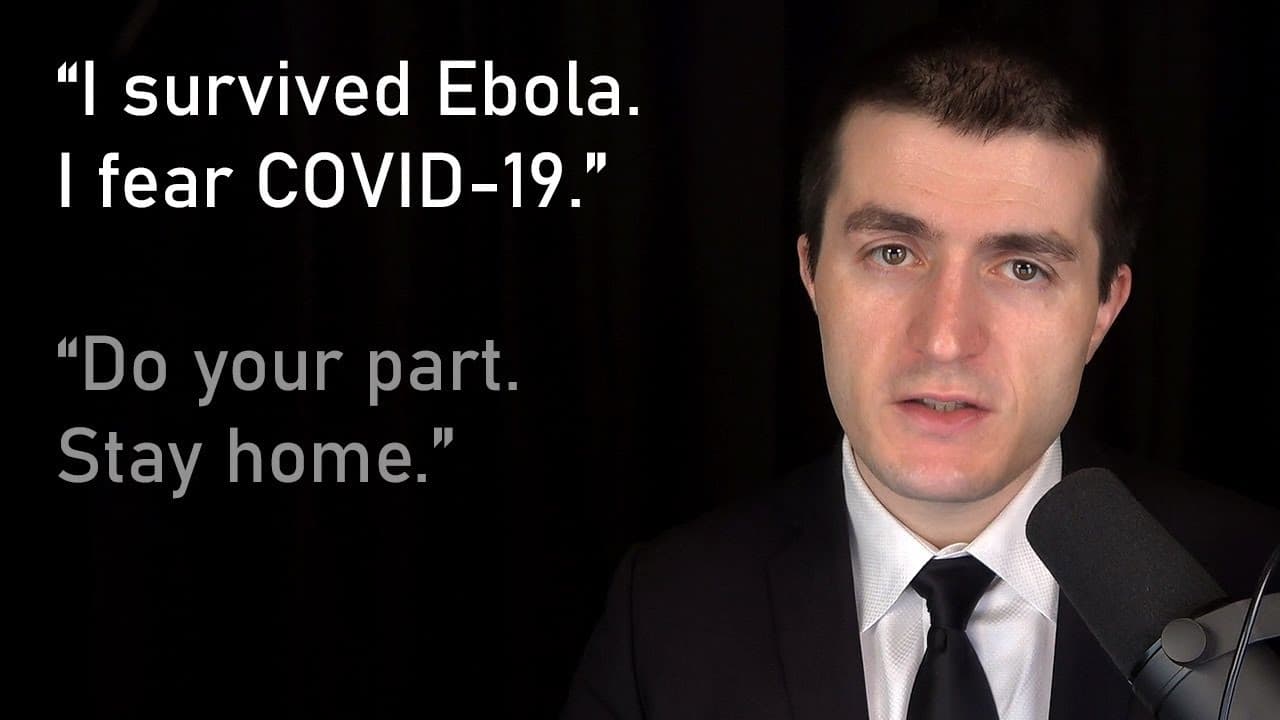
I think at this point large-scale reliable data is really important but also important are the human stories and something that caught my eye was the day in life of an emergency room doctor Craig Spencer that he revealed in a series of tweets thank you everyone for the incredible messages of support and encouragement many of you asked what it was l... Read More
Key Insights
- Calm streets hide hospital pressure: Spencer’s walk begins on nearly empty streets, yet the emergency room is filled with coughing, protective goggles, and repeated urgent cases. This contrast explains why the crisis can be difficult to understand from outside. The visible quiet of the city does not reflect the intense conditions facing hospital workers inside.
- Symptoms repeat across age groups: During the handoff, nearly every patient appears to share the same presentation, whether young or old. The recurring signs are cough, shortness of breath, and fever. Later urgent pages add low oxygen and low blood pressure, showing why the staff rapidly learned to recognize a common clinical pattern across the department.
- Life support decisions come quickly: One patient is already receiving the maximum amount of oxygen available but continues breathing rapidly. Spencer concludes that life support should begin before the condition becomes worse, requiring a long, candid conversation with the patient and family by phone. The decision combines immediate respiratory danger with the need to communicate clearly under severe time pressure.
- Critical cases arrive simultaneously: While the team prepares to support the first patient’s breathing, another extremely sick patient arrives and also requires life support. The two patients are placed in adjacent rooms and both receive breathing tubes. This happens before 10:00 a.m., less than an hour after Spencer’s scheduled shift begins, establishing the intensity of the day immediately.
- Urgent pages define the shift: After the first two intubations, stat notifications arrive nearly every hour. They report combinations of fever, inability to breathe, low blood pressure, shortness of breath, and low oxygen. One alert specifies oxygen at 88%. The repetition shows that the opening emergencies are not isolated events but the pattern governing the entire shift.
- Protective equipment limits basic needs: Spencer avoids drinking water because taking off his mask would remove the only protection he describes between himself and exposure. Even after recognizing his thirst, he decides to handle one more patient. His earlier Ebola experience helps him tolerate the delay, but the account shows how personal safety disrupts hydration and normal breaks.
- Eating requires a careful sequence: With nearby restaurants closed, Spencer relies on the hospital cafeteria late in the afternoon. Before eating, he washes his hands twice, removes his mask cautiously, and consumes the meal as quickly as possible. He then puts the mask back on and returns, illustrating how even a short meal must be managed around contamination risk.
- Every encounter requires precautions: The emergency-room team assumes that everyone may have COVID-19, so gowns, goggles, and masks are used for every patient encounter throughout the day. Spencer calls this the only way to remain safe. The approach reflects a setting where similar symptoms dominate and individual infection status cannot be treated casually.
- Ordinary emergencies seem displaced: Spencer asks where the heart attack and appendicitis patients have gone because nearly everything he sees is COVID-19. His observation does not claim those conditions disappeared. It captures how completely the outbreak has taken over his immediate work, from the patient handoff to the final sign-out to the incoming team.
- Decontamination extends beyond work: Before leaving, Spencer wipes down his phone, badge, wallet, and coffee mug, puts everything in a bag, and disinfects the items again. At home, he undresses in the hallway and places his clothing in a bag before showering. These repeated steps aim to reduce the chance of carrying contamination from the emergency room into his home.
- Family contact carries emotional strain: Spencer’s wife tries to keep their toddler away until he has showered, but the child has not seen him in days and staying apart is difficult. The moment connects hospital precautions with their effect on family life. His relief after showering reflects the importance of finally feeling able to spend time with them.
- Data and distancing serve different needs: The account argues that it is already too late to stop the virus completely, but its spread can still be slowed because it cannot infect people it never meets. Staying home supports that immediate goal. Reliable large-scale data serves another purpose, helping decision-makers understand and control spread before reopening the economy without overwhelming medical resources.
Install to Summarize YouTube Videos and Get Transcripts
Explore YouTube Video Summarizer or Get YouTube Transcript Extractor
Questions & Answers
Q: What is a day in the life of ER doctor Craig Spencer on the COVID-19 frontlines like?
Craig Spencer begins at 6:30 a.m., makes coffee for the day, and walks through empty streets to a 9:00 a.m. emergency-room shift. Inside, nearly every patient has a similar combination of cough, fever, shortness of breath, or low oxygen. Two critically ill patients require breathing tubes in adjacent rooms before 10:00 a.m., followed by urgent pages nearly every hour. He delays water and food because removing his mask creates risk, then disinfects his belongings and showers before seeing his family. The routine shows why the quiet streets outside can conceal an emergency department under constant pressure.
Q: What symptoms did COVID-19 patients show in the emergency room?
The repeated symptoms are cough, fever, and shortness of breath among both young and old patients. Urgent notifications also describe low oxygen, low blood pressure, vomiting, rapid breathing, and an inability to breathe. One page reports oxygen at 88%, while another patient remains severely breathless on the maximum amount of oxygen the team can provide. These recurring signs allow the staff to recognize the pattern, but some patients deteriorate enough to need immediate life support.
Q: Why were two patients placed on life support before 10:00 a.m.?
The first patient is breathing rapidly and remains very short of breath despite receiving the maximum oxygen available. Spencer determines that a breathing tube and life support should be started before the condition becomes much worse. While that procedure is being arranged, a second extremely sick patient arrives vomiting and also needs respiratory support. Both patients receive breathing tubes in neighboring rooms because their conditions require immediate intervention, not because the team has time to address them one at a time.
Q: How did Craig Spencer protect himself during the shift?
Spencer and the emergency-room staff assume nearly every patient has COVID-19. They wear gowns, goggles, and masks for every encounter because universal precautions are described as the only way to stay safe in that setting. He avoids drinking water for much of the afternoon because he fears removing his mask. When he finally eats, he washes his hands twice, removes the mask cautiously, eats quickly, and masks again before returning to patients.
Q: How did the doctor decontaminate after work?
Before leaving the hospital, Spencer wipes down his phone, badge, wallet, and coffee mug with bleach. He places everything in a bag and repeats the cleaning because he does not want to take chances. After walking home, he removes his clothes in the hallway and puts them in a bag. His wife keeps their toddler back until he runs to the shower and rinses away the day’s exposure. The sequence is designed to keep items and clothing from carrying emergency-room contamination into family contact.
Q: Why did Craig Spencer walk home instead of using transit?
Spencer chooses to walk because it feels safer than taking the subway or bus after working around presumed COVID-19 patients. The walk also gives him time to decompress after a shift filled with respiratory emergencies and repeated stat notifications. Outside, the streets remain empty and feel disconnected from the conditions inside the hospital. That contrast leads him to wonder whether people understand that hospitals are nearing capacity and running short of ventilators.
Q: Why does the account emphasize staying home and social distancing?
Spencer says it is too late to stop the virus completely, but its spread can still be slowed. His reasoning is direct: the virus cannot infect people it never meets. Staying inside and maintaining social distance reduce those meetings, which can limit how many additional people arrive at emergency rooms. This matters because hospitals are nearing capacity, ventilators are running out, and current patients were infected a week or more before appearing in the department.
Q: Why is reliable data needed before reopening the economy?
The closing discussion says reliable large-scale data is needed to understand how widely the virus is spreading. Understanding the spread is necessary to control it rather than act blindly under substantial uncertainty. The speaker identifies saving lives as the first priority and collecting good data as the second. Reopening the economy should follow evidence that supports control of transmission while sick patients continue receiving treatment. The purpose is to take effective action without overwhelming the medical system’s resources.
Summary & Key Takeaways
-
Beginning the frontline account: Craig Spencer wakes at 6:30 a.m. and makes enough coffee for the whole day because the nearby shop and Starbucks are closed. Empty streets make the walk feel like Sunday, but the atmosphere changes immediately when he enters for his 9:00 a.m. shift. Bright emergency-room lights reflect from protective goggles, coughing fills the department, and he puts on his mask before receiving the previous team’s patient handoff.
-
Treating two critical patients: Nearly every patient presents with the same pattern, including cough, shortness of breath, and fever. One patient remains severely breathless despite receiving the maximum oxygen available, prompting an honest phone discussion with the patient and family about starting life support before the condition worsens. As preparations begin, another critically ill patient arrives vomiting and also needs life support. Both receive breathing tubes in neighboring rooms before 10:00 a.m.
-
Enduring nonstop emergency alerts: For the rest of the shift, Spencer receives urgent pages nearly every hour for patients with fever, breathing difficulty, low blood pressure, or low oxygen, including one reading of 88%. He realizes during the afternoon that he has not drunk water because removing his mask feels unsafe. He postpones the break by recalling hours spent without water in a hot suit during Ebola work, then eventually eats quickly after washing his hands twice and cautiously removing his mask.
-
Decontaminating before going home: Staff assume nearly everyone has COVID-19 and wear gowns, goggles, and masks during every encounter. Spencer notices that familiar heart attack and appendicitis cases seem absent because the department is overwhelmingly focused on COVID-19. After signing out to the incoming team, he disinfects his phone, badge, wallet, and coffee mug with bleach, then repeats the process. He walks home instead of taking the subway or bus because walking feels safer and gives him time to decompress.
-
Connecting experience to action: At home, Spencer removes his clothes in the hallway, keeps them in a bag, and showers before rejoining his wife and toddler. He warns that empty streets conceal hospitals approaching capacity, ventilator shortages, and persistent ambulance sirens. Because current patients were infected a week or more earlier, he expects case numbers and emergency visits to rise. The account concludes that staying home can slow transmission, while reliable data is needed to understand spread, control it, and inform reopening the economy.
Read in Other Languages (beta)
Share This Summary 📚
Summarize YouTube Videos and Get Video Transcripts with 1-Click
Try YouTube Summary with ChatGPT & Claude or YouTube Transcript Generator
Explore More Summaries from Lex Fridman 📚






Summarize YouTube Videos and Get Video Transcripts with 1-Click
Try YouTube Summary with ChatGPT & Claude or YouTube Transcript Generator