How to Build a Powerful Personal Brand Authentically
TL;DR
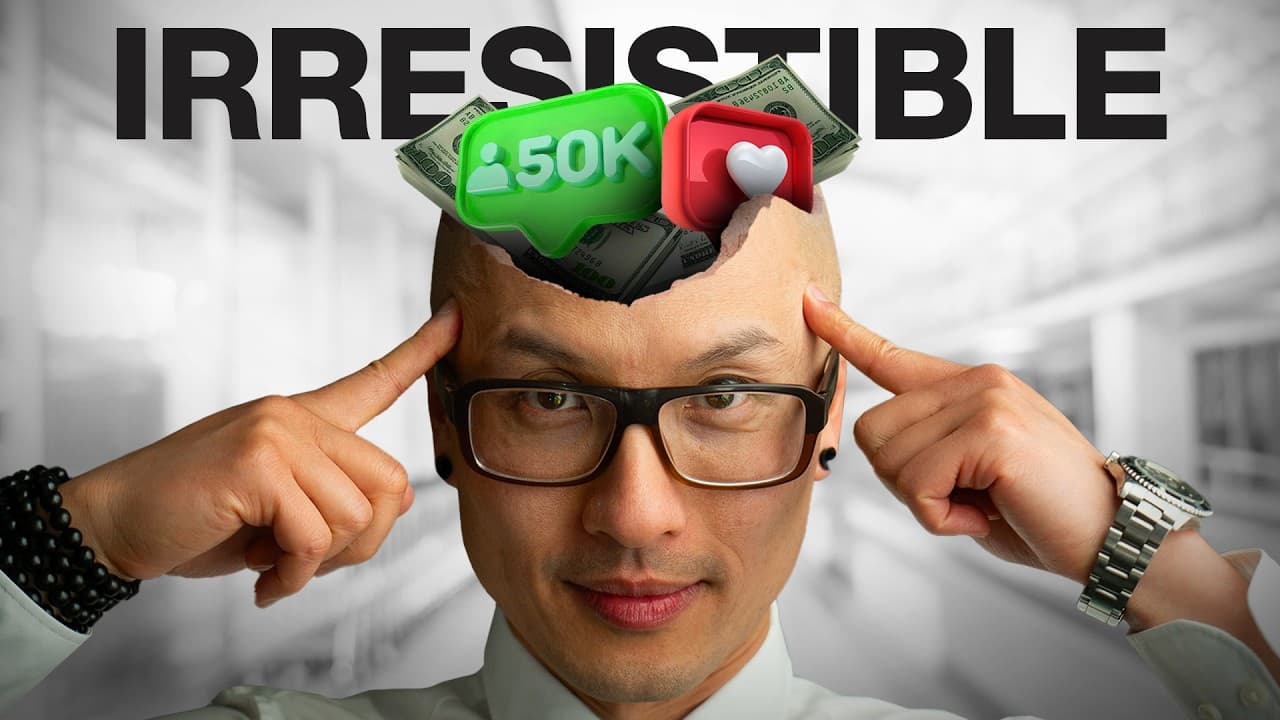
Build a powerful personal brand by showing who you genuinely are, using your lived experience as your story, and delivering useful knowledge before asking for anything. Adapt your communication to each platform without adopting conflicting personas, and remember that memorable storytelling often differentiates a brand more effectively than visual polish or product quality alone.
Transcript
After 11 years and over 1,800 videos on YouTube and elsewhere and millions of followers, I want to tell you my 10 rules that I believe in how you build a powerful personal brand. So without further ado, let's get into it. Okay, rule number one in building a powerful personal brand is to choose authenticity over image. What do I mean by that? Most o... Read More
Key Insights
- Authenticity is the foundation of a powerful personal brand because an invented persona separates public presentation from genuine identity. Pretending for too long can make a creator lose touch with who they really are, while honest preferences, experiences, and characteristics provide a more sustainable basis for connection.
- An origin story is the easiest personal story to tell because it comes from experiences the creator has actually lived. Details such as birthplace, parents, ethnicity, language, food, and upbringing give audiences useful context without requiring the creator to fabricate a more impressive narrative.
- Cultural currency is a form of identity shorthand that helps audiences quickly interpret a person's background. Names, accents, expressions, traditions, and foods can produce assumptions, but creators can either confirm or challenge those expectations while revealing a more distinctive and memorable personal world.
- Cross-platform consistency means expressing different parts of the same personality rather than performing unrelated identities. Each platform permits a different spectrum of expression, but every version should remain rooted in the creator's real values and character so that overlapping audiences do not encounter contradictions.
- Platform-specific communication is necessary because different formats impose different constraints and expectations. A character-limited platform calls for brief, pointed language, while YouTube supports a more conversational relationship that can feel like inviting the audience into an office or living room.
- Generosity is a practical way to build a personal brand because audiences give creators valuable time and attention. Sharing useful knowledge without immediate conditions rewards that attention, establishes an impression of the creator's values, and separates long-term brand building from a purely transactional exchange.
- Credible teaching is grounded in experience and accomplishment rather than information someone has only just encountered. Personal development can happen privately, followed by public reflection and instruction after ideas have been tested, understood, and connected to lessons from sustained practice.
- Storytelling is a stronger branding mechanism than visual aesthetics alone because products, services, and organizations without stories become commodities. When audiences choose what to support, they consider what a purchase says about them, so a relatable story can allow a better brand to outperform a better product.
Install to Summarize YouTube Videos and Get Transcripts
Explore YouTube Video Summarizer or Get YouTube Transcript Extractor
Questions & Answers
Q: How do you build an authentic personal brand?
Build an authentic personal brand by choosing genuine identity over a manufactured image. Bring forward your real preferences, experiences, cultural background, language, and personality instead of hiding behind a safer persona. Adapt how much of yourself you show according to the platform, but keep every expression rooted in the same values and character so audiences encounter a consistent person.
Q: Why can a carefully created persona weaken a personal brand?
A carefully created persona can weaken a personal brand because it creates distance between the public image and the real person. That distance can grow as the performance continues, eventually making the creator feel disconnected from their genuine identity. The persona may also fail to earn affection because audiences are being asked to relate to an invented character rather than an honest human presence.
Q: How can an origin story strengthen personal branding?
An origin story strengthens personal branding by giving audiences a clear and memorable introduction based on lived experience. Birthplace, family, ethnicity, upbringing, food, accents, and cultural expressions provide immediate context. These details can create recognition among people with similar experiences, intrigue people from other backgrounds, and help the creator engage with or challenge assumptions about their identity.
Q: What does consistency across social media platforms mean?
Consistency across platforms means presenting different parts of the same authentic personality, not behaving like unrelated people in different places. A creator might communicate briefly and powerfully on a character-limited platform while speaking more conversationally on YouTube. The tone and format can change to suit each channel, but the underlying identity, values, and beliefs should remain recognizable.
Q: Why should creators give value before asking for anything?
Creators should give value first because audiences are contributing their time and attention, which the source describes as valuable assets. Useful knowledge rewards that contribution and builds a lasting impression of the creator's values. Repeated generosity also distinguishes personal brand building from a transaction, where money, time, or resources are exchanged and the relationship may end afterward.
Q: When should creators teach what they are learning?
Creators should teach after they have privately developed, tested, and reflected on what they know. Immediately sharing every new idea can spread weak information, and the creator may later change their mind. Lessons become more credible when they arise from real experience, actual accomplishments, and sustained craft, followed by thoughtful public explanation of what worked and how it was learned.
Q: Why is storytelling important in personal branding?
Storytelling is important because visual aesthetics and expected product quality do not fully distinguish a brand. A product, service, or organization without a story can become a commodity. Audiences connect with stories they recognize, identify with, and want to support, and their purchases can express what they believe about themselves and which companies they want to succeed.
Q: Can a stronger brand outperform a better product?
A stronger brand can outperform a better product when its story creates greater identification and support among consumers. The transcript argues that quality is often expected, so it may no longer provide enough differentiation by itself. When people choose where to spend money, they also consider what the purchase communicates about them, making brand meaning influential in marketplace decisions.
Summary & Key Takeaways
-
A durable personal brand begins with authenticity rather than a carefully manufactured image. Hiding preferences, history, or personality behind a persona creates an expanding gap between public identity and the real person. Sharing genuine characteristics makes the brand more coherent, relatable, and sustainable because audiences encounter a recognizable person instead of an invented character.
-
An origin story provides accessible material because it comes from lived experience. Birthplace, parents, ethnicity, food, language, accents, and cultural expressions can quickly communicate identity. Creators can engage with or challenge the assumptions attached to those details, inviting audiences into a distinctive personal world instead of burying the characteristics that make them recognizable.
-
Personal brands should remain consistent while adapting their expression to different platforms. Short-form channels reward concise, powerful communication, while YouTube can support conversational relationships. Creators should also provide value generously, teach lessons grounded in genuine accomplishment, and use storytelling because audiences often support brands whose identities and values reflect their own choices.
Read in Other Languages (beta)
Share This Summary 📚
Summarize YouTube Videos and Get Video Transcripts with 1-Click
Try YouTube Summary with ChatGPT & Claude or YouTube Transcript Generator
Explore More Summaries from The Futur 📚



Summarize YouTube Videos and Get Video Transcripts with 1-Click
Try YouTube Summary with ChatGPT & Claude or YouTube Transcript Generator