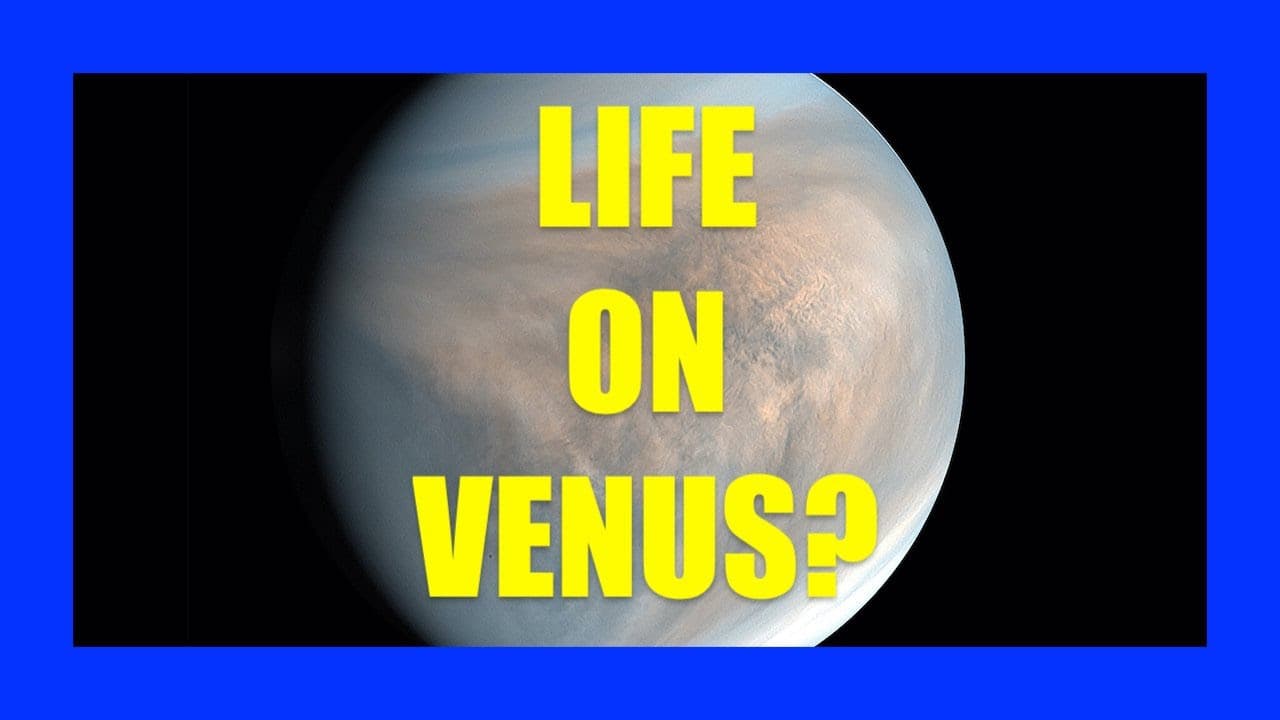
What We Found on Venus EXPLAINED | [OFFICE HOURS] Podcast #022
TL;DR
A recent study suggests the presence of a potential biosignature of life in the Venusian clouds, but more investigation is needed. Biodiversity has decreased by 68% since 1970 due to human impact on wildlife. It may take until 2023 to produce and distribute enough COVID-19 vaccines to effectively eliminate the virus.
Transcript
no yeah no do you know how much money you'd have to pay nasa to cover that up yeah i know we'll make it happen yeah they're not gonna know about no one is gonna believe sky whales on venus it's fine yep the blubbers worth millions they'll never know oh hey hello and welcome to office hours a live part of the facility where good old professor kyle o... Read More
Key Insights
- 🛟 The discovery of potential biosignatures of life on Venus raises exciting possibilities for the existence of extraterrestrial life.
- 🌐 The significant decline in global biodiversity highlights the urgency for conservation efforts and sustainable practices.
- 💆 The timeline for eliminating COVID-19 relies on mass vaccination efforts, which require careful planning and distribution on a global scale.
Install to Summarize YouTube Videos and Get Transcripts
Explore YouTube Video Summarizer or Get YouTube Transcript Extractor
Questions & Answers
Q: How did the study on Venus find evidence of potential life in the clouds?
Scientists used spectroscopy to analyze the light reflected by Venus and identified the absence of certain wavelengths, possibly indicating the presence of phosphine, a potential biosignature.
Q: Why is the decline of global biodiversity concerning?
The decrease in biodiversity signifies the loss of ecosystems, which can disrupt the delicate balance of nature and potentially impact human health and wellbeing.
Q: How can individuals contribute to protecting biodiversity?
Individuals can support conservation efforts, limit their impact on the environment, and advocate for policies that protect wildlife habitats.
Q: Why will it take until 2023 to eradicate COVID-19?
Producing and distributing vaccines for the global population is a complex process that takes time. Additionally, challenges such as limited resources and logistics can further delay widespread vaccination efforts.
Summary & Key Takeaways
-
A study found evidence of phosphine, a potential biosignature, in the Venusian clouds, indicating the possibility of life on Venus.
-
Biodiversity has decreased by 68% worldwide since 1970 due to human activities such as habitat destruction and pollution.
-
Developing and distributing enough vaccines to effectively eliminate COVID-19 may take until 2023.
Read in Other Languages (beta)
Share This Summary 📚
Summarize YouTube Videos and Get Video Transcripts with 1-Click
Try YouTube Summary with ChatGPT & Claude or YouTube Transcript Generator
Explore More Summaries from [OFFICE HOURS] 📚

![What Made MEGALODON So Huge? | [OFFICE HOURS] Podcast #025 thumbnail](/_next/image?url=https%3A%2F%2Fi.ytimg.com%2Fvi%2F2F_zCTfPt-I%2Fhqdefault.jpg&w=750&q=75)
![🔴 Viral "Hanger Reflex" Explained! | [OFFICE HOURS] Podcast 090 thumbnail](/_next/image?url=https%3A%2F%2Fi.ytimg.com%2Fvi%2F-GQPNu0erKc%2Fhqdefault.jpg&w=750&q=75)
Summarize YouTube Videos and Get Video Transcripts with 1-Click
Try YouTube Summary with ChatGPT & Claude or YouTube Transcript Generator