How Do Thoughts Influence Our Perception of Reality?
TL;DR
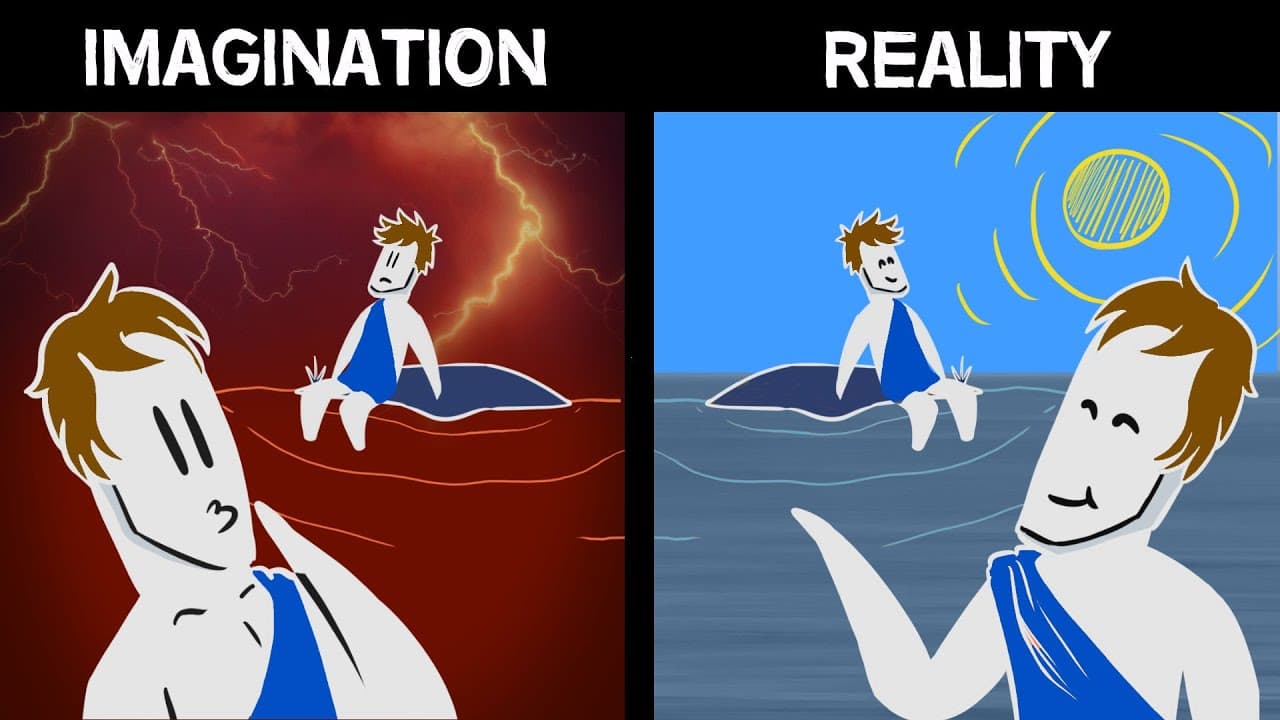
Thoughts can significantly distort our perception of reality, often leading to misguided beliefs and emotional distress. Cognitive biases and irrational thinking, such as overgeneralization and catastrophizing, can result in dangerous consequences, both personally and socially. Awareness of the subjective nature of thoughts helps mitigate their potentially harmful effects.
Transcript
When Seneca the Younger was accused of adultery with the emperor’s niece, he was banished to Corsica. Seneca’s exile caused his mother, Helvia, tremendous grief; she had difficulties coping with her son’s absence. So, he wrote her several letters in which he consoled her, convincing her that even though he had been exiled, he wasn’t confined intell... Read More
Key Insights
- 💌 Seneca's letters to his mother challenged perceptions of exile, highlighting the deceptive nature of thoughts.
- 💭 Various thinkers have explored the impermanence and subjectivity of thoughts, questioning their reliability as reflections of reality.
- 🥺 Cognitive biases, overgeneralization, and catastrophizing illustrate how thoughts can lead to distorted perceptions and potential harm.
- 🥺 Collective beliefs based on false information can lead to dangerous outcomes, as seen in historical events like witch trials and propaganda-driven wars.
Install to Summarize YouTube Videos and Get Transcripts
Explore YouTube Video Summarizer or Get YouTube Transcript Extractor
Questions & Answers
Q: How did Seneca the Younger's letters challenge his mother's perception of his exile?
Seneca's letters showed his mother that exile wasn't as dreadful as perceived, highlighting the deceptive nature of thoughts and the need to challenge assumptions about reality.
Q: What do cognitive biases like conservatism bias reveal about flawed thinking?
Cognitive biases, like conservatism bias, show how people cling to old beliefs despite new information, demonstrating the unreliability of thoughts and their impact on decision-making.
Q: How can catastrophizing and overgeneralization distort perceptions?
Catastrophizing and overgeneralization amplify negative thoughts, leading to distorted perceptions of reality and potential harmful outcomes based on unfounded beliefs.
Q: How does judgment influence our perceptions and emotional responses to events?
Our judgments create subjective value assessments that influence our emotional reactions, demonstrating how thoughts can shape our interpretations of circumstances and impact our well-being.
Summary & Key Takeaways
-
Seneca the Younger's letters to his mother highlighted how thoughts can distort reality, challenging the perception of exile as dreadful.
-
Various thinkers, from the Buddha to Immanuel Kant, have explored the nature of thoughts and their impermanence and subjectivity.
-
Cognitive biases, overgeneralization, catastrophizing, and delusions illustrate how thoughts can misinform and lead to dangerous outcomes.
Read in Other Languages (beta)
Share This Summary 📚
Summarize YouTube Videos and Get Video Transcripts with 1-Click
Try YouTube Summary with ChatGPT & Claude or YouTube Transcript Generator
Explore More Summaries from Einzelgänger 📚





Summarize YouTube Videos and Get Video Transcripts with 1-Click
Try YouTube Summary with ChatGPT & Claude or YouTube Transcript Generator