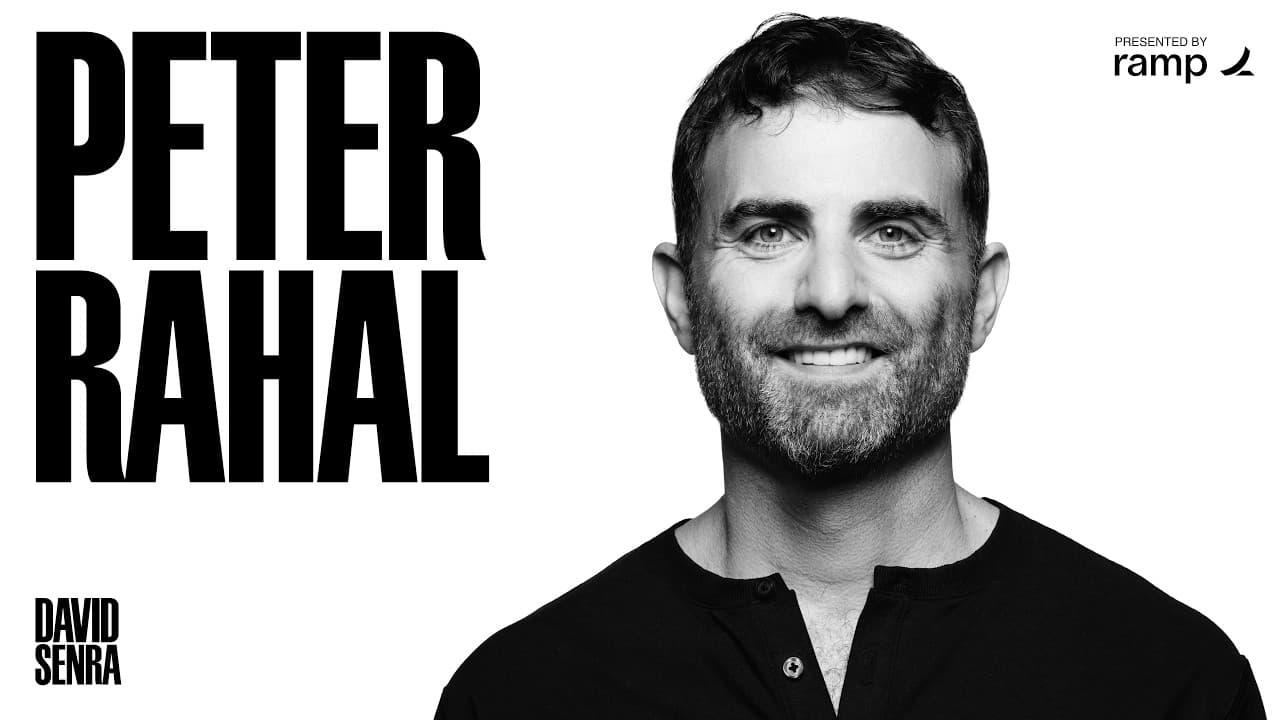
How did Peter Rahal rebuild after RXBAR exit?
TL;DR
Peter Rahal found investing unfulfilling because it was passive and lacked immediate feedback. He returned to building and leading a consumer brand, emphasizing product mastery, humility, and fast feedback loops. He aims to grow a leading food company by treating the organization as a product and hiring the right operators.
Transcript
Okay, I want to start with the fact you sold your previous company for 600 million. You and your co-founder own 90% of it. You find yourself as a very young man with about a quart billion dollars in cash. What happens next? >> The natural thing is to get into investing. Outside looking at investing is like very appealing. It's like one you think it... Read More
Key Insights
- Rahal sold RXBAR for 600 million and held 90 percent ownership with his co-founder, defining the wake of his investment phase.
- The key to Rahal’s pivot was recognizing investing is appealing but not fulfilling when the leader wants to fight in the trenches.
- He concluded that entrepreneurship requires hands on leadership and direct feedback loops, not just capital allocation.
- He moved to Miami to reset, seek a new environment, and set up a family office before refocus on protein bars.
- He underestimated how rare tenacity is among founders, realizing many people do not share his relentless drive.
- He acknowledges the danger of chasing vanity metrics and prioritizes cash generation and practical progress.
- He argues speed matters more than fundraising valuation in building durable businesses.
- He frames the organization itself as a product that must be constantly improved through truth seeking and humility.
Install to Summarize YouTube Videos and Get Transcripts
Explore YouTube Video Summarizer or Get YouTube Transcript Extractor
Questions & Answers
Q: How did Peter Rahal pivot from investing to leading a consumer product again?
Peter Rahal realized investing felt like watching others drive growth while he craved active leadership. After selling RXBAR and facing the long feedback loops of private equity style investing, he chose to return to the front lines of product development and team building. This shift allowed him to apply his operating instincts directly to a brand with existing momentum.
Q: What were Rahal’s reasons for moving to Miami and starting a family office?
Rahal sought a new environment to reset after a high stress sequence around the RXBAR acquisition and personal life changes. He chose Miami as a strategic base to regroup, explore investments, and eventually structure a family office while keeping the option to focus on a core business in food. The move balanced personal and professional needs.
Q: Why did Rahal think investing was too hands off for him?
Rahal compared investing to sitting in the back seat while others drive, lacking the immediate feedback of making product or process changes. He valued quick decision cycles where hires, products, and marketing moves show fast results, which is essential for someone who thrives on high velocity action and tangible outcomes.
Q: How does Rahal view the relationship between tenacity and founder success?
Rahal believes only a handful of people in any domain are truly excellent and tenacious. He learned this by observing other founders and investors, acknowledging that many are not as relentlessly driven as he is. This realization shaped his approach to selecting teams and accepting only decisive, capable partners.
Q: What is Rahal’s criticized approach to leadership and how does he address it?
Rahal emphasizes an all in leadership style that can appear harsh, burning bridges to force commitment. He recognizes the risks of overstepping or micromanaging, and stresses the importance of leaders owning problems, maintaining truth seeking, and remaining humble. This balance helps align teams with ambitious goals.
Q: What role does product discipline play in Rahal’s plans for future growth?
Product discipline underpins Rahal’s strategy to build a durable brand. He treats the organization as a product to be continuously improved, with leaders who master their areas and confront problems directly. This approach aims to create a scalable, decentralized structure that sustains momentum and quality across the business.
Q: Why is Rahal focused on speed over fundraising valuation?
Rahal prioritizes operational velocity because faster execution translates to faster market feedback, better unit economics, and the ability to course-correct promptly. He views rapid progress as more valuable than chasing high valuation, since execution power directly impacts the company’s long-term viability and competitive position.
Q: What does Rahal mean by building the most important food company of the 21st century?
Rahal intends to leverage deep product knowledge, fierce work ethic, and a culture of truth seeking to create a leading food brand with enduring impact. By investing in core capabilities, supplier relationships, and empowered leadership, he aims to shape a company that defines standards and sustains growth through innovation.
Summary & Key Takeaways
-
Peter Rahal sold RXBAR for 600 million and owned 90 percent with his co-founder, which set the stage for his shift back to active leadership.
-
He discovered investing was too hands off and preferred the immediacy of building and operating a company, where decisions drive visible results.
-
His approach blends truth seeking, humility, and product discipline to create a durable, decentralized organization that empowers leaders to own their products and solve problems.
Read in Other Languages (beta)
Share This Summary 📚
Summarize YouTube Videos and Get Video Transcripts with 1-Click
Try YouTube Summary with ChatGPT & Claude or YouTube Transcript Generator
Explore More Summaries from David Senra 📚
Summarize YouTube Videos and Get Video Transcripts with 1-Click
Try YouTube Summary with ChatGPT & Claude or YouTube Transcript Generator