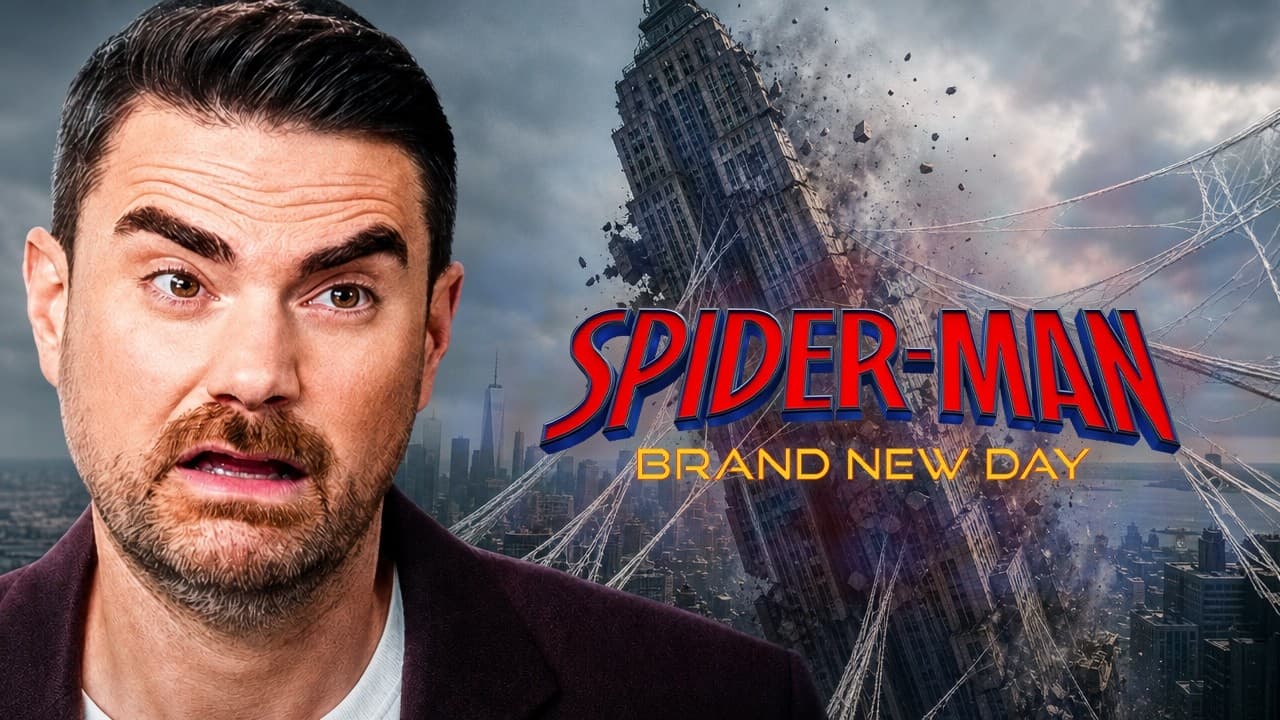
What Went Wrong in Spider-Man A Brand New Day
TL;DR
The film struggles with a thin plot and inconsistent world rules, despite a likable Spider-Man performance by Tom Holland. The Department of Damage Control, Gan Gray as the telepath villain, and a cameo by the Punisher create interest but aren’t enough to elevate the film. The ending treats reversing a spell with a fist bump as pivotal, which feels weak yet central to the Critics’ take. Overall, the movie mixes strong character moments with weak plotting and CGI choices.
Transcript
Alrighty, folks. Today I'm going to review Spider-Man: A Brand New Day. It is a gigantic blockbuster. It is just drowning in money. We'll get to all of it in just a second. This video is sponsored by our friends at ExpressVPN. [music] It's fine. >> Spider-Man. [music] >> I am not a Marvel guy. I'm a DC guy because I have views of comic book movies.... Read More
Key Insights
- Spider-Man is portrayed as depressed and isolated after the No Way Home events, affecting his actions and relationships.
- Gan Gray is a telepathic antagonist linked to a larger scheme involving the Department of Damage Control that the film presents as the main obstacle.
- The Department of Damage Control is depicted as the antagonist organization early in the story, creating a predictable conflict frame.
- The movie introduces the Punisher and Bruce Banner, but their roles feel supplementary rather than pivotal to the plot.
- There are inconsistencies in how Spider-Mans webs and facial coverage work, which disrupts internal world-building rules.
- The reviewer notes a tension between a serious tone and jokey moments that undermines the film’s coherence.
- The ending resets the character dynamics by restoring memory of Peter Parker to Ned and MJ via a fist bump, which the reviewer finds weak but functional for closure.
- Tom Holland's portrayal is praised for charm and naivety, keeping the character engaging despite the weak plot.
Install to Summarize YouTube Videos and Get Transcripts
Explore YouTube Video Summarizer or Get YouTube Transcript Extractor
Questions & Answers
Q: What is the central conflict in Spider-Man A Brand New Day?
The central conflict centers on Spider-Man dealing with loneliness after the events of No Way Home, while Gan Gray tries to uncover powerful secrets through the Department of Damage Control. The film frames the struggle around whether Spider-Man can help Gan Gray cope with tragedy and whether the department is truly benevolent, creating a two-thread narrative that drives the plot. The contrast between personal emotional stakes and the external mission to thwart the department creates the film’s core tension, though the execution feels thin and uneven.
Q: How does the reviewer describe Spider-Man’s emotional arc?
The reviewer describes Spider-Man as depressed and lonely, unable to see his friends and grappling with the consequences of the spell that erased people’s memory of his identity. This emotional state shapes his choices, including his hesitant collaboration with the Department of Damage Control and his attempts to protect others while dealing with lost relationships, giving the character a human throughline amid a mostly thin plot.
Q: What role does Gan Gray play in the story?
Gan Gray is a telepath who seeks access to information about V-Max, aided by an ability to jump minds. She operates within a conflict with the Department of Damage Control, pursuing secrets tied to her sister’s murder. Her inclusion gives the film a antagonistic driver beyond personal revenge, although the overall plot reduces her to a catalyst for the protagonist’s actions and does not fully explore her backstory.
Q: What is the Department of Damage Control and why is it significant?
The Department of Damage Control serves as the villainous-organizational foil in the film, introduced early as a powerful body interested in studying and weaponizing superheroes. Its presence grounds the external conflict and explains the danger to Gan Gray, while also complicating Spider-Man’s choices. The department’s operations provide a backdrop for the narrative stakes and suspense, although some plot points about their power and goals feel underdeveloped.
Q: What is notable about the film’s use of supporting characters like the Punisher and Hulk?
The Punisher and Hulk appear as supporting figures who assist Spider-Man, offering moments of action and star power through recognizable performers. However, the reviewer suggests their involvement is not pivotal to the main plot, serving more as familiar cameos than integral plot engines. This keeps the focus on Spider-Man’s personal journey but weakens the sense of a cohesive ensemble.
Q: What are the main criticisms about the film’s internal consistency?
The reviewer highlights inconsistencies in how Spider-Man’s webs function, such as their strength being used to tear down buildings while also being easily removed from a face, which breaks internal rules. There are also unexplained aspects like why Gan Gray cannot mind-control Spider-Man, and the overall plot offers many convenient writing choices. These issues undermine the film’s internal logic and coherence.
Q: How does the film handle the ending and its payoff?
The ending revolves around reversing the memory-erasing spell by a fist bump between Spider-Man and Ned, restoring Ned and MJ to knowing Peter Parker. The reviewer finds this resolution surprisingly weak given the buildup, yet acknowledges it as a clear mechanism to reset relationships and conclude the character arc. The payoff hinges on a simple gesture rather than a deeply earned development.
Q: What stood out positively about Tom Holland’s portrayal?
Tom Holland is praised for delivering a charming and naive Spider-Man who remains likable and engaging despite the weak plot. His performance carries emotional resonance, helping to anchor the film’s more comic or action-oriented moments. The portrayal keeps the character approachable and relatable, ensuring some level of audience investment even when the story falters.
Q: What is the reviewer’s overall verdict on the movie’s entertainment value?
The reviewer acknowledges that the film has enjoyable elements such as character moments and familiar faces, but ultimately criticizes it for its thin plot, inconsistent world rules, and underdeveloped motivations. While there are moments of entertainment and humor, the overall verdict is that the movie fails to meet higher standards of the broader Spider-Man canon, leaving a sense of missed potential.
Summary & Key Takeaways
-
The film centers on Spider-Man dealing with loneliness after No Way Home and a forgetful world, while Gan Gray seeks a mysterious V-Max via the Department of Damage Control.
-
The plot is described as thin and primarily driven by two strands: interpersonal dynamics and a simple pursuit, with many internal inconsistencies noted by the reviewer.
-
The ending hinges on reversing a spell through a fist bump, a choice the reviewer finds underwhelming but still a focal point of the story's resolution.
Read in Other Languages (beta)
Share This Summary 📚
Summarize YouTube Videos and Get Video Transcripts with 1-Click
Try YouTube Summary with ChatGPT & Claude or YouTube Transcript Generator
Explore More Summaries from Ben Shapiro 📚


Summarize YouTube Videos and Get Video Transcripts with 1-Click
Try YouTube Summary with ChatGPT & Claude or YouTube Transcript Generator