How Can Neuromorphic Computing Mimic the Brain?
TL;DR
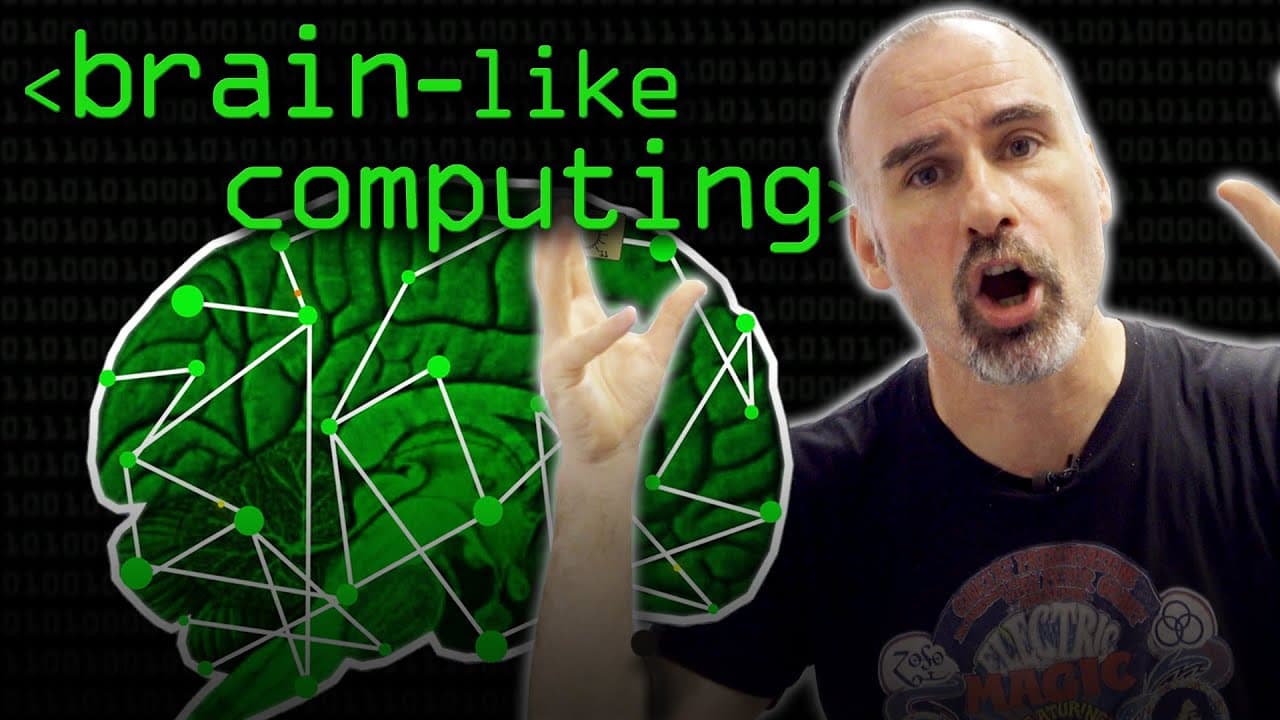
Neuromorphic computing aims to replicate the brain's architecture by integrating memory and processing in a single system, overcoming the limitations of the traditional von Neumann architecture. This approach utilises memristors, which act as artificial synapses, enabling more efficient energy use and improved problem-solving capabilities.
Transcript
we're going to talk about actually this neuromorphic nanoelectronic materials which is a hell of a mouthful so you got in touch on i don't know about a month ago or so i've lost all track of time under these circumstances you said it's a while since we did something in the links between nano and computing i said it has it is indeed and then actuall... Read More
Key Insights
- 🪛 There is a significant drive to integrate nano electronics with computing to enhance processing capabilities and overcome the limitations of the von Neumann architecture.
- 🪡 The von Neumann architecture's separate CPU and memory create bottlenecks and consume excessive energy, making it inefficient for future computing needs.
- 🧠 Neuromorphic computing aims to replicate the brain's architecture, using memristors or artificial synapses that have memory and can optimize energy efficiency.
- 💨 Memristors provide a simple and scalable way to create artificial synapses that can store information and improve the functioning of neuromorphic computing systems.
- 😀 The development of memristors has faced controversy, but they represent a significant step forward in neuromorphic computing for mimicking learning and memory processes.
- 🥺 Neuromorphic computing allows for the integration of memory and processing, similar to the brain, leading to improved efficiency and an ability to solve complex problems.
- 👻 Learning and memory processes in the brain can be replicated in artificial synapses, allowing for the formation of neural pathways and long-term connections.
Install to Summarize YouTube Videos and Get Transcripts
Explore YouTube Video Summarizer or Get YouTube Transcript Extractor
Questions & Answers
Q: How does the von Neumann architecture limit computing systems?
The transfer of information between the central processing unit and memory in the von Neumann architecture leads to bottlenecks in bandwidth and hampers the training of systems.
Q: What is the key advantage of neuromorphic computing over traditional computing?
Neuromorphic computing aims to replicate the brain's architecture, allowing for memory and processing to happen in the same place, leading to higher energy efficiency and faster problem-solving.
Q: What is a memristor, and why is it important for neuromorphic computing?
A memristor is an electrical device that behaves like a resistor with memory. It allows for the creation of artificial synapses, essential for replicating the brain's architecture in neuromorphic computing.
Q: How can neuromorphic computing mimic learning and memory processes in the brain?
Neuromorphic computing uses artificial synapses or memristors that can change their resistance and create pathways similar to the neural pathways in the brain. This allows for the development of short-term and long-term connections, mimicking learning and memory processes.
Summary & Key Takeaways
-
There is a push to integrate nano electronics with computing to go beyond the limitations of the von Neumann architecture and improve processing capabilities.
-
The von Neumann architecture, with its separate central processing unit and memory, creates bottlenecks in bandwidth and training systems.
-
Neuromorphic computing aims to mimic the brain's architecture, using artificial synapses or memristors, which have memory and can improve energy efficiency.
Read in Other Languages (beta)
Share This Summary 📚
Summarize YouTube Videos and Get Video Transcripts with 1-Click
Try YouTube Summary with ChatGPT & Claude or YouTube Transcript Generator
Explore More Summaries from Computerphile 📚



Summarize YouTube Videos and Get Video Transcripts with 1-Click
Try YouTube Summary with ChatGPT & Claude or YouTube Transcript Generator