How to Boost Leg Blood Flow for Seniors
TL;DR
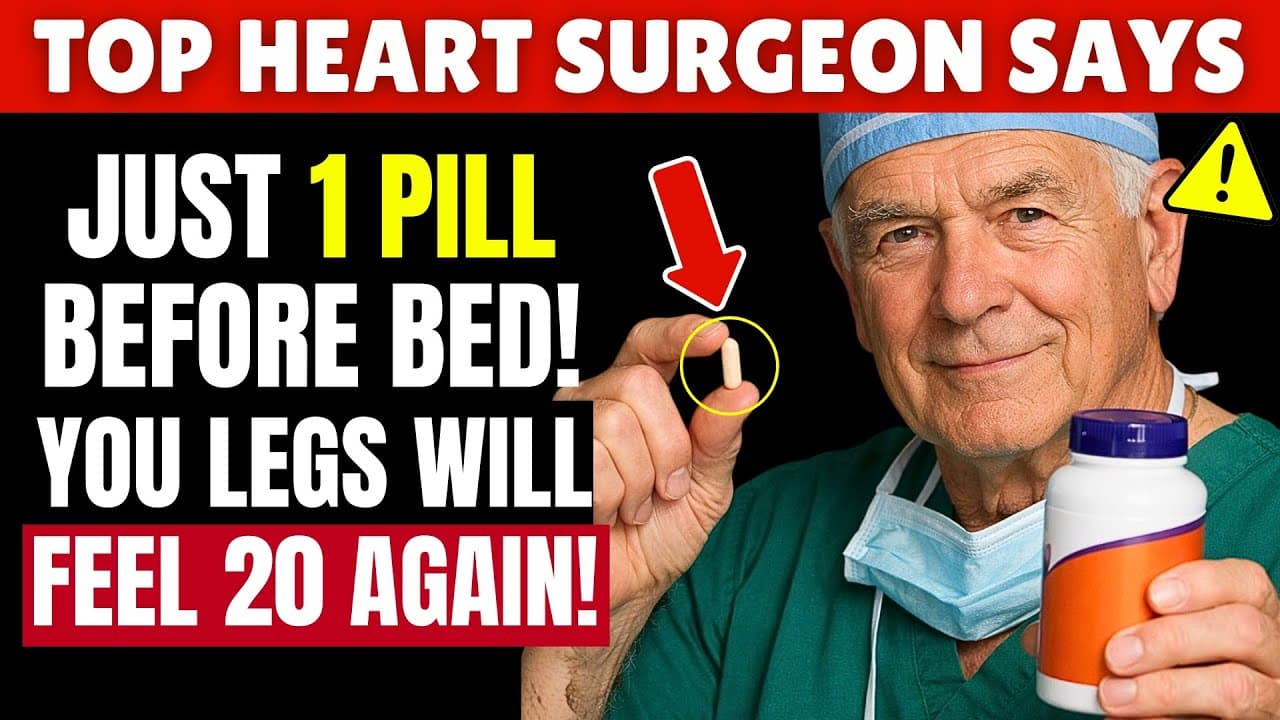
Improving leg blood flow in seniors involves key vitamins: Vitamin E, C, B3 (Niacin), K2, D3, and B12. Each plays a unique role in enhancing circulation, from protecting blood vessels to increasing oxygen delivery. Consistent supplementation and proper dietary intake of these vitamins can significantly improve leg warmth, strength, and walking endurance.
Transcript
Look at your legs for a moment. I am serious. Not your shoes, not the floor, your legs, the part of your body that has carried you through decades of work, stress, family, and sacrifice. Now, be honest with yourself. Do they feel the same as they did 10 years ago? Or do they feel colder, heavier, slower to respond when you stand up? If you are over... Read More
Key Insights
- Vitamin E is crucial for maintaining the flexibility of blood vessels, preventing clots, and improving circulation.
- Vitamin C is essential for collagen production, which strengthens blood vessels and enhances elasticity.
- Vitamin B3 (Niacin) expands blood vessels, improving circulation and reducing leg cramps.
- Vitamin K2 prevents arterial calcification, directing calcium to bones and improving leg circulation.
- Vitamin D3 regulates blood vessel function and increases nitric oxide production, enhancing blood flow.
- Vitamin B12 boosts red blood cell production, nerve protection, and reduces homocysteine levels.
- Natural food sources of these vitamins are often more bioavailable than synthetic supplements.
- Proper absorption of vitamins often requires dietary fat or specific intake protocols.
Install to Summarize YouTube Videos and Get Transcripts
Explore YouTube Video Summarizer or Get YouTube Transcript Extractor
Questions & Answers
Q: How does vitamin E improve leg circulation?
Vitamin E acts as a protective coating for the endothelium, the inner lining of blood vessels, keeping it flexible and slippery. This prevents clots and ensures smooth blood flow. Natural sources like almonds and sunflower seeds are more effective than synthetic supplements, and absorption is enhanced when consumed with healthy fats.
Q: Why is vitamin C important for blood vessels?
Vitamin C is crucial for collagen production, which strengthens blood vessels and maintains their elasticity. It also protects vessels from free radical damage. Seniors should adopt a divided dose protocol to maintain steady vitamin C levels, with kiwis and red bell peppers being excellent dietary sources.
Q: What role does vitamin B3 (Niacin) play in circulation?
Vitamin B3, or Niacin, causes blood vessels to expand, increasing circulation and reducing leg cramps. It works by reducing LDL cholesterol and increasing HDL cholesterol. Immediate release niacin is preferable for circulation benefits, and starting with a low dose can help minimize the flushing effect.
Q: How does vitamin K2 prevent arterial calcification?
Vitamin K2 directs calcium away from arteries, preventing calcification and instead depositing it in bones. This maintains arterial flexibility and improves circulation. It's found in fermented foods and aged cheeses, but supplementation with the MK7 form is often necessary for therapeutic doses.
Q: What is the significance of vitamin D3 for seniors?
Vitamin D3 regulates blood vessel function and increases nitric oxide production, which dilates vessels and enhances blood flow. Seniors produce less D3 from sun exposure, so supplementation is crucial. It should be taken with vitamin K2 to prevent calcium buildup in arteries, and absorption is improved with dietary fat.
Q: Why is vitamin B12 essential for leg health?
Vitamin B12 is vital for red blood cell production and nerve protection, significantly improving circulation and leg strength. Deficiency is common in seniors due to reduced stomach acid production. Sublingual B12 supplements provide better absorption, and methylcobalamin is the most effective form for circulation support.
Q: How can seniors ensure proper vitamin absorption?
Seniors should consume vitamins with dietary fat to enhance absorption, especially for fat-soluble vitamins like E, D3, and K2. Divided doses throughout the day help maintain steady levels for water-soluble vitamins like C. Sublingual supplements bypass digestive issues, ensuring better absorption.
Q: What dietary sources provide the necessary vitamins for circulation?
Natural food sources like almonds, sunflower seeds, kiwis, red bell peppers, turkey, chicken, aged cheeses, and fish are rich in circulation-supporting vitamins. However, due to absorption challenges and dietary restrictions, seniors may need to supplement to achieve optimal levels.
Summary & Key Takeaways
-
Vitamin E helps maintain blood vessel flexibility and prevents clots, essential for better leg circulation. Natural sources like almonds and sunflower seeds are more effective than synthetic supplements. For best absorption, consume with healthy fats like avocado.
-
Vitamin C is vital for collagen production, keeping blood vessels strong and elastic. It's water-soluble, so divided doses throughout the day are recommended. Kiwis and red bell peppers are excellent sources, offering sustained absorption and additional circulation benefits.
-
Vitamin B12 is critical for oxygen delivery and nerve protection, significantly improving walking ability and leg strength in seniors. Sublingual supplements offer superior absorption, and methylcobalamin is the preferred form for effective circulation enhancement.
Read in Other Languages (beta)
Share This Summary 📚
Summarize YouTube Videos and Get Video Transcripts with 1-Click
Try YouTube Summary with ChatGPT & Claude or YouTube Transcript Generator
Explore More Summaries from Seniors Circle 📚




Summarize YouTube Videos and Get Video Transcripts with 1-Click
Try YouTube Summary with ChatGPT & Claude or YouTube Transcript Generator