Why Did Dorothy Washington Shelter 9 Hells Angels During a Detroit Blizzard?
TL;DR
Dorothy Washington sheltered nine stranded Hells Angels because the Detroit blizzard exposed them to temperatures of 15 below zero, where anyone left outside could die. Although the 72-year-old feared the bikers could overpower her, she recognized that they were human beings in immediate danger. Read on to understand how her poverty, faith, and late husband Robert's example shaped her decision.
Transcript
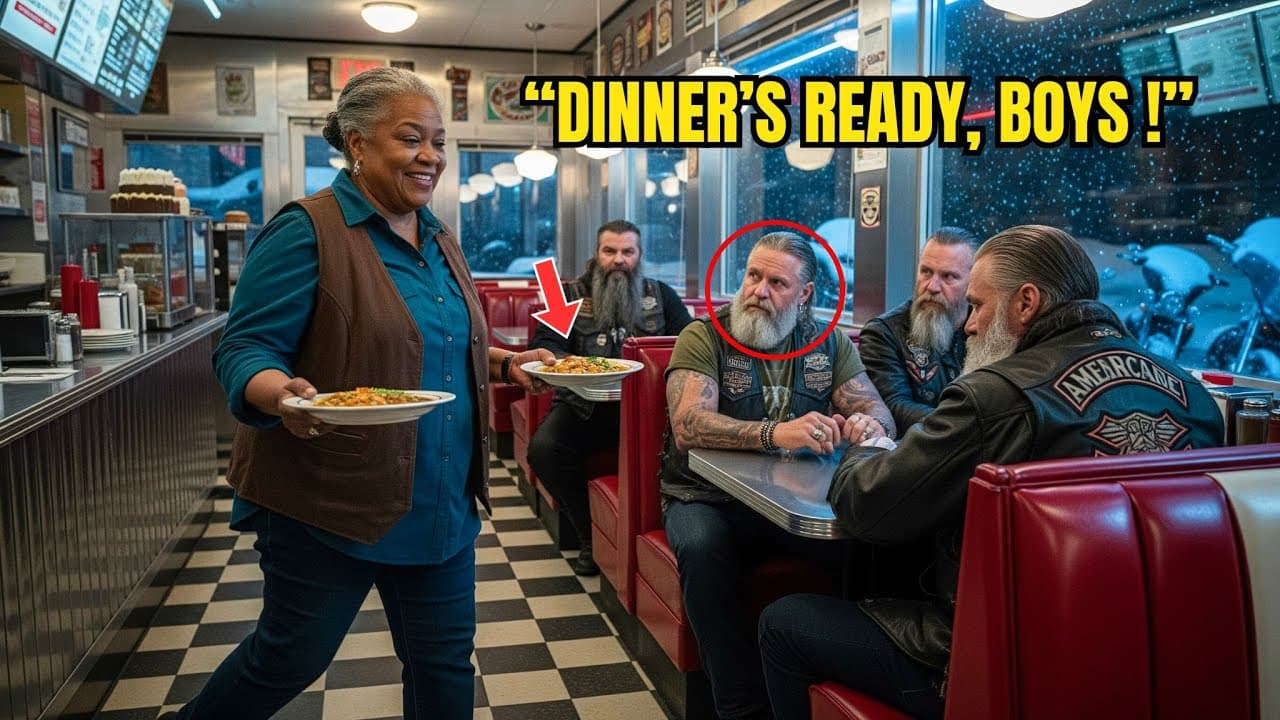
The blizzard hit Detroit like a sledgehammer. Through frosted glass, 72-year-old Dorothy Washington watched nine massive motorcycles disappear under falling snow. Nine leatherclad giants stood on her crumbling porch, ice clinging to their beards, desperation in their eyes. Outside, the temperature was dropping to 15 below zero. Without shelter, any... Read More
Key Insights
- Dorothy Washington is portrayed as a 72-year-old widow whose compassion persists despite poverty, illness, and isolation. She maintains her dignity, cares for neighborhood children and stray cats, and tries to preserve her home even while rationing food and medication.
- Dorothy's financial hardship is defined by a $1,200 Social Security check, a $47 weekly food budget, and home repairs estimated at no less than $15,000. These constraints force her to choose among medicine, groceries, utilities, and essential maintenance.
- The Detroit blizzard creates immediate danger through temperatures of 15 below zero, winds reaching 60 mph, broken power lines, blocked roads, and nearly nonexistent visibility. These conditions leave both Dorothy and the stranded motorcyclists facing potentially fatal exposure.
- Dorothy's home loses heat when the furnace fails at 6:47, then loses electricity after a space heater overloads the old electrical system. Her diabetes and poor circulation make the falling indoor temperature especially dangerous, placing her in a survival crisis of her own.
- The old CB radio is Dorothy's only working connection after the storm disrupts cellular and landline service. Through fragmented transmissions, she hears reports about blocked roads, motorcycles that will not start, increasing hypothermia risks, and people urgently seeking shelter.
- The nine bikers approach Dorothy respectfully rather than forcing entry. Their spokesman apologizes for disturbing her, explains that their motorcycles have failed, asks only for shelter until morning, and says the group has sleeping bags and will not cause trouble.
- Dorothy's decision is shaped by faith and moral consistency. She questions whether teachings about the Good Samaritan and loving one's neighbor apply only to familiar-looking people, then considers what her late husband Robert would have expected her to do.
- The narrative is explicitly identified in the description as fictional and created for entertainment. Its characters and events should therefore be understood as elements of a moral story, not as verified accounts of real individuals or historical events.
- "Outside, the temperature was dropping to 15 below zero." (0:17)
- "Without shelter, anyone caught in this storm would die tonight." (0:19)
- "At 72, Dorothy lived alone in a two-story house that was slowly crumbling around her." (1:07)
- "The house needed at least $15,000 in repairs, maybe more." (1:43)
- "Robert had taught her that dignity wasn't something poverty could take away." (3:57)
Install to Summarize YouTube Videos and Get Transcripts
Explore YouTube Video Summarizer or Get YouTube Transcript Extractor
Questions & Answers
Q: Why did Dorothy Washington shelter nine Hells Angels?
Dorothy understood that anyone left outside at 15 below zero could die during the Detroit blizzard. Although she feared the nine bikers, she saw that they were human beings in immediate danger and chose compassion over fear.
Q: What danger did the Detroit blizzard pose to the bikers?
The temperature was dropping to 15 below zero, while the roads were impassable and the bikers' motorcycles had stopped working. Without immediate shelter, the nine stranded men faced potentially fatal exposure.
Q: Why was Dorothy afraid to let the bikers inside?
Dorothy was a 72-year-old woman living alone, without reliable telephone service or an easy means of escape. She feared that nine physically imposing strangers could overpower her, steal what she had, or hurt her.
Q: What hardships was Dorothy facing before the bikers arrived?
Dorothy lived on a $1,200 Social Security check in a deteriorating two-story house that needed at least $15,000 in repairs. She limited food spending to $47 per week and rationed blood pressure and diabetes medication when money was tight.
Q: How did Dorothy's faith influence her decision?
Dorothy's worn Bible and daily prayers were central to how she endured hardship. Her understanding of the Good Samaritan and loving one's neighbor led her to question whether compassion should apply only to familiar-looking people.
Q: How did Dorothy's late husband Robert influence her?
Robert, a Vietnam veteran and former trucker, taught Dorothy that poverty could not take away her dignity. When the bikers needed help, she considered the standards of dignity and service that he had modeled.
Q: How did the nine bikers behave at Dorothy's door?
The bikers asked for temporary shelter rather than forcing their way inside. Their spokesman apologized for disturbing Dorothy, said they had sleeping bags, and promised that the group would not cause trouble.
Q: Is the story about Dorothy and the Hells Angels real?
No. The page description identifies the narrative as fictional entertainment and says it does not depict real events or individuals. The characters, encounter, and biker identities should not be treated as verified history.
Summary & Key Takeaways
-
Dorothy Washington is a 72-year-old Detroit resident surviving on a $1,200 Social Security check while her deteriorating house needs at least $15,000 in repairs. She stretches a $47 weekly food budget, rations essential medication, and endures loneliness without asking her distant children for financial or practical assistance.
-
A severe March blizzard brings temperatures of 15 below zero, winds reaching 60 mph, broken power lines, and impassable roads. Dorothy's furnace stops at 6:47, and a space heater trips the electrical system. With telephone service unavailable, an old CB radio becomes her only connection to unfolding emergencies outside.
-
At 8:15, nine stranded bikers knock on Dorothy's door after their motorcycles stop working. They politely request temporary shelter and promise not to cause trouble. Dorothy weighs her fear of motorcycle gangs against her faith, her late husband's example, and the deadly consequences of refusing assistance during the storm.
Read in Other Languages (beta)
Share This Summary 📚
Summarize YouTube Videos and Get Video Transcripts with 1-Click
Try YouTube Summary with ChatGPT & Claude or YouTube Transcript Generator
Explore More Summaries from Black Tales Stories 📚





Summarize YouTube Videos and Get Video Transcripts with 1-Click
Try YouTube Summary with ChatGPT & Claude or YouTube Transcript Generator