[Eng Sub] Wafer Backgrinding - Parameters, Spindle, Chuck, Grinding Wheel, Grit
TL;DR
Wafer backgrinding reduces wafer thickness using spindles and grinding wheels.
Transcript
I got a request to explain more about afer backgrinding process, especially parameters. So I am gonna discuss about it. For wafer backgringing process, we need to start with initial wafer thickness and target wafer thickness. Initial wafer thickness is wafer thickness before wafer backgrinding. It is around 750um for 12-inch wafer. Target wafer thi... Read More
Key Insights
- Wafer backgrinding involves reducing the thickness of a silicon wafer from its initial thickness to a target thickness using a grinding process.
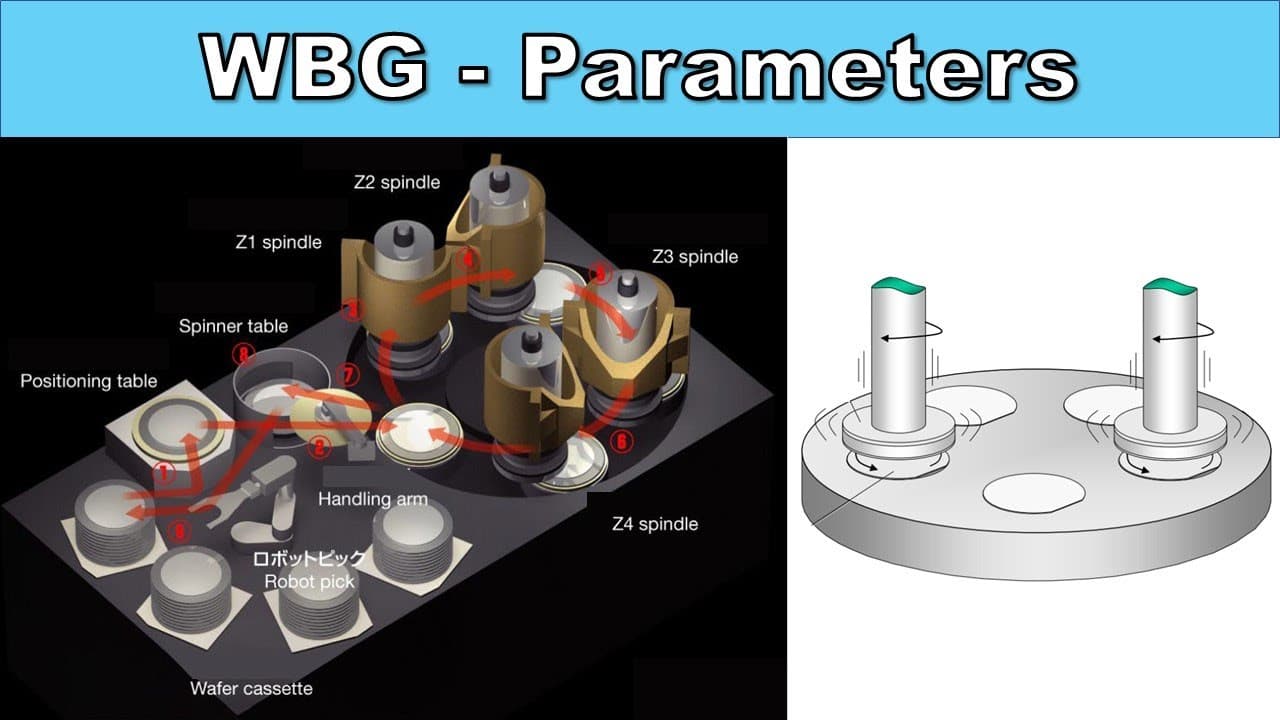
- The process utilizes a machine with multiple spindles, each equipped with a grinding wheel, to progressively thin the wafer.
- Key parameters for spindle operation include rotation speed, down feed rate, and down position, which affect the precision of the grinding process.
- The grinding wheel consists of a wheel base and segments made of abrasive grain, bond material, and pores, with grit size affecting grinding performance.
- Coarse grinding uses a wheel with larger grit size for faster material removal but may cause more surface damage.
- Fine grinding follows coarse grinding to minimize surface damage, using a wheel with smaller grit size for a smoother finish.
- The chuck table rotates the wafer during grinding, and its rotation speed is a crucial parameter for consistent material removal.
- Spiral patterns or wheel marks on the wafer's backside indicate the grinding process, which is crucial for achieving the desired wafer thickness.
Install to Summarize YouTube Videos and Get Transcripts
Explore YouTube Video Summarizer or Get YouTube Transcript Extractor
Questions & Answers
Q: What is the purpose of wafer backgrinding?
The purpose of wafer backgrinding is to reduce the thickness of silicon wafers to meet specific requirements for semiconductor devices. By thinning the wafers, manufacturers can ensure that the final products are suitable for various applications, including those requiring minimal package thickness.
Q: How does the grinding wheel affect the wafer backgrinding process?
The grinding wheel plays a crucial role in the wafer backgrinding process, as it determines the rate and quality of material removal. The wheel's abrasive grain size, or grit, affects the grinding performance, with coarse grinding using larger grit for faster removal and fine grinding using smaller grit for a smoother finish.
Q: What are the key parameters for spindle operation in wafer backgrinding?
Key parameters for spindle operation in wafer backgrinding include rotation speed, down feed rate, and down position. These parameters influence the precision and effectiveness of the grinding process, ensuring that the wafer reaches the desired thickness with minimal surface damage.
Q: Why is the chuck table's rotation important in wafer backgrinding?
The chuck table's rotation is important in wafer backgrinding because it ensures uniform material removal from the wafer's surface. By rotating the wafer in synchronization with the spindle's movement, the chuck table helps achieve consistent grinding results and prevents uneven thinning of the wafer.
Q: What is the difference between coarse and fine grinding in wafer backgrinding?
Coarse grinding in wafer backgrinding uses a grinding wheel with larger grit size for faster material removal, which can lead to more surface damage. Fine grinding follows coarse grinding and employs a wheel with smaller grit size to achieve a smoother finish, minimizing surface damage and improving wafer quality.
Q: How do spiral patterns or wheel marks form on the wafer's backside?
Spiral patterns or wheel marks form on the wafer's backside during the grinding process due to the rotation of the grinding wheel and the wafer. These marks indicate the path of the grinding wheel as it removes material, and their presence is a normal aspect of the backgrinding process.
Q: What factors determine the target wafer thickness in backgrinding?
The target wafer thickness in backgrinding is determined by the specific requirements of the semiconductor device and its application. Factors such as device type, functionality, and packaging constraints influence the desired thickness, which can range from 300um to as thin as 35um.
Q: What role does abrasive grain size play in the grinding wheel's performance?
Abrasive grain size, also known as grit, plays a critical role in the grinding wheel's performance. Larger grit sizes enable faster material removal but can cause more surface damage, whereas smaller grit sizes provide a finer finish with less damage, making them suitable for the fine grinding stage in wafer backgrinding.
Summary & Key Takeaways
-
Wafer backgrinding is a critical process in semiconductor manufacturing, aimed at reducing the thickness of silicon wafers to meet specific device requirements. The process involves using grinding wheels attached to spindles, which rotate and move downward to remove material from the wafer's surface.
-
The parameters of the wafer backgrinding process, such as spindle rotation speed and down feed rate, are essential for achieving precise thickness reduction. The grinding wheel's abrasive grain size, or grit, determines the speed and quality of the grinding, with coarse and fine grinding stages employed.
-
Coarse grinding removes material quickly but may damage the wafer surface, while fine grinding minimizes surface damage. The chuck table's rotation is synchronized with the spindle's movement to ensure uniform material removal, resulting in the desired wafer thickness with minimal defects.
Read in Other Languages (beta)
Share This Summary 📚
Summarize YouTube Videos and Get Video Transcripts with 1-Click
Try YouTube Summary with ChatGPT & Claude or YouTube Transcript Generator
Explore More Summaries from Semicon Talk 📚
Summarize YouTube Videos and Get Video Transcripts with 1-Click
Try YouTube Summary with ChatGPT & Claude or YouTube Transcript Generator