Is Bitcoin Entering a New Bull Market Phase?
TL;DR
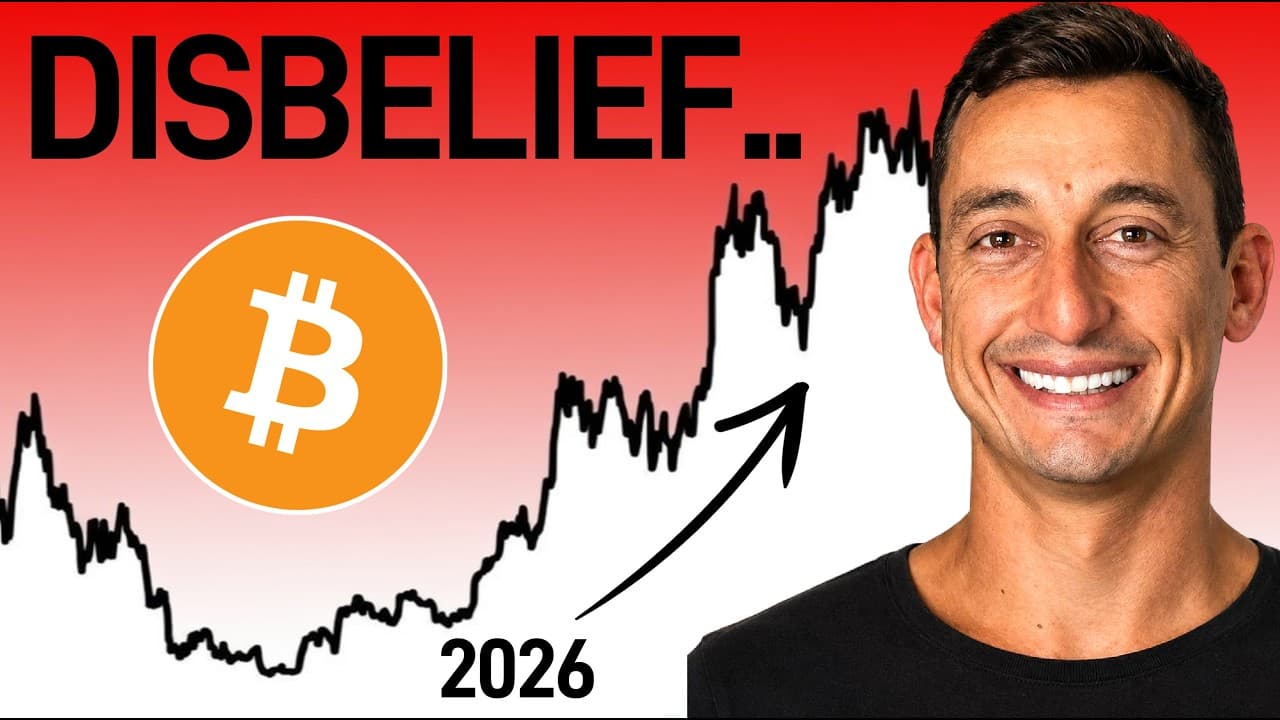
Bitcoin recently closed above $77,000, sparking speculation about a potential shift from a bear to a bull market. Despite the recent surge, historical patterns suggest there may still be pullbacks and reaccumulation phases before a sustained upward trend. Market participants should focus on managing risk and observing key breakout levels for confirmation.
Transcript
All right, guys. Welcome back to the channel. It's Jason Pazino with tiainvestor.com. Bitcoins closed the week above 77,000 bucks. So, let's update the brutal bottom journey and the July low. Hit the like button and subscribe to the channel if you're new. Don't miss the daily updates. And just a reminder, TIA Pro sale has been extended for a very b... Read More
Key Insights
- Bitcoin closed the week above $77,000, raising questions about a new bull market.
- Volume and moving averages are key indicators for assessing market trends.
- Historical volatility patterns suggest potential pullbacks and reaccumulation.
- Market sentiment often swings from extreme greed to fear, affecting price action.
- Breakouts above key levels like $71,000 are critical for bullish confirmation.
- Stablecoin dominance breakdowns can signal bullish trends for Bitcoin.
- Managing risk and reward is essential in navigating market uncertainties.
- The 18-year economic cycle suggests potential for further Bitcoin rallies.
Install to Summarize YouTube Videos and Get Transcripts
Explore YouTube Video Summarizer or Get YouTube Transcript Extractor
Questions & Answers
Q: How to identify a new bull market for Bitcoin?
Identifying a new bull market for Bitcoin involves observing key breakout levels, such as the recent close above $77,000. Additionally, increased volume and moving averages are critical indicators. Historical patterns suggest that pullbacks and reaccumulation phases are likely before a sustained upward trend is confirmed. Monitoring market sentiment swings and stablecoin dominance breakdowns can also provide insights.
Q: What role does volume play in Bitcoin's market trends?
Volume is a crucial indicator in assessing Bitcoin's market trends. Increased volume, particularly during breakouts above key levels, provides bullish confirmation. However, traders should be cautious of abnormal volume sizes, as they may indicate potential pullbacks. Historical patterns show that volume often spikes during significant market shifts, making it an essential factor to monitor.
Q: Why is managing risk important in Bitcoin trading?
Managing risk is vital in Bitcoin trading due to the market's inherent volatility and uncertainty. Traders should focus on balancing risk and reward by setting clear entry and exit points, observing key breakout levels, and monitoring market sentiment swings. Effective risk management helps traders navigate uncertainties and capitalize on potential market opportunities while minimizing losses.
Q: How do stablecoin dominance breakdowns affect Bitcoin?
Stablecoin dominance breakdowns often coincide with bullish trends for Bitcoin. When stablecoin dominance decreases, it indicates a shift in investor preference towards Bitcoin and other cryptocurrencies. This typically happens around cycle bottoms, signaling potential bullish momentum for Bitcoin. Monitoring stablecoin dominance, alongside other indicators, can provide valuable insights into market trends.
Q: What is the significance of the 18-year economic cycle for Bitcoin?
The 18-year economic cycle suggests potential for further Bitcoin rallies. This cycle, linked to real estate and economic trends, indicates that Bitcoin may still have time to rise before a major market peak. While the cycle provides a long-term perspective, traders should continue to monitor short-term indicators, such as volume and moving averages, to navigate market uncertainties effectively.
Q: How do market sentiment swings impact Bitcoin's price action?
Market sentiment swings, particularly between extreme greed and fear, significantly impact Bitcoin's price action. During periods of extreme greed, prices may rise rapidly, leading to potential pullbacks as sentiment shifts back to fear. Traders should monitor sentiment indicators, such as the fear and greed index, to anticipate potential market reversals and adjust their strategies accordingly.
Q: What are key breakout levels to watch for Bitcoin?
Key breakout levels for Bitcoin include the recent close above $77,000 and the $71,000 level, which serves as a 50% retracement point. Breakouts above these levels provide bullish confirmation and suggest potential for further upward momentum. Traders should also observe volume and moving averages, as these indicators can provide additional insights into the strength of the breakout.
Q: Why are pullbacks and reaccumulation phases likely for Bitcoin?
Pullbacks and reaccumulation phases are likely for Bitcoin due to historical volatility patterns and market sentiment swings. After significant price surges, the market often experiences corrections as traders take profits and sentiment shifts. These phases provide opportunities for reaccumulation, allowing new investors to enter the market and setting the stage for potential future rallies.
Summary & Key Takeaways
-
Bitcoin's recent close above $77,000 suggests a potential shift from a bear to a bull market. Historical patterns indicate that while the current surge is promising, pullbacks and reaccumulation phases are likely before a sustained upward trend is confirmed. Observing key breakout levels and managing risk are crucial for market participants.
-
Volume and moving averages are critical indicators in assessing Bitcoin's market trends. Recent breakouts above key levels, such as $71,000, provide bullish signals. However, traders should be cautious of market sentiment swings from extreme greed to fear, which can impact price action and lead to pullbacks.
-
Stablecoin dominance breakdowns often coincide with bullish trends for Bitcoin, signaling a potential end to the brutal bottom journey. The 18-year economic cycle suggests there is still time for Bitcoin to rally, but managing risk and observing key indicators remain essential for navigating market uncertainties.
Read in Other Languages (beta)
Share This Summary 📚
Summarize YouTube Videos and Get Video Transcripts with 1-Click
Try YouTube Summary with ChatGPT & Claude or YouTube Transcript Generator
Explore More Summaries from Jason Pizzino 📚






Summarize YouTube Videos and Get Video Transcripts with 1-Click
Try YouTube Summary with ChatGPT & Claude or YouTube Transcript Generator