How Does the Crypto Fear and Greed Index Signal a Bitcoin Bear Market?
TL;DR
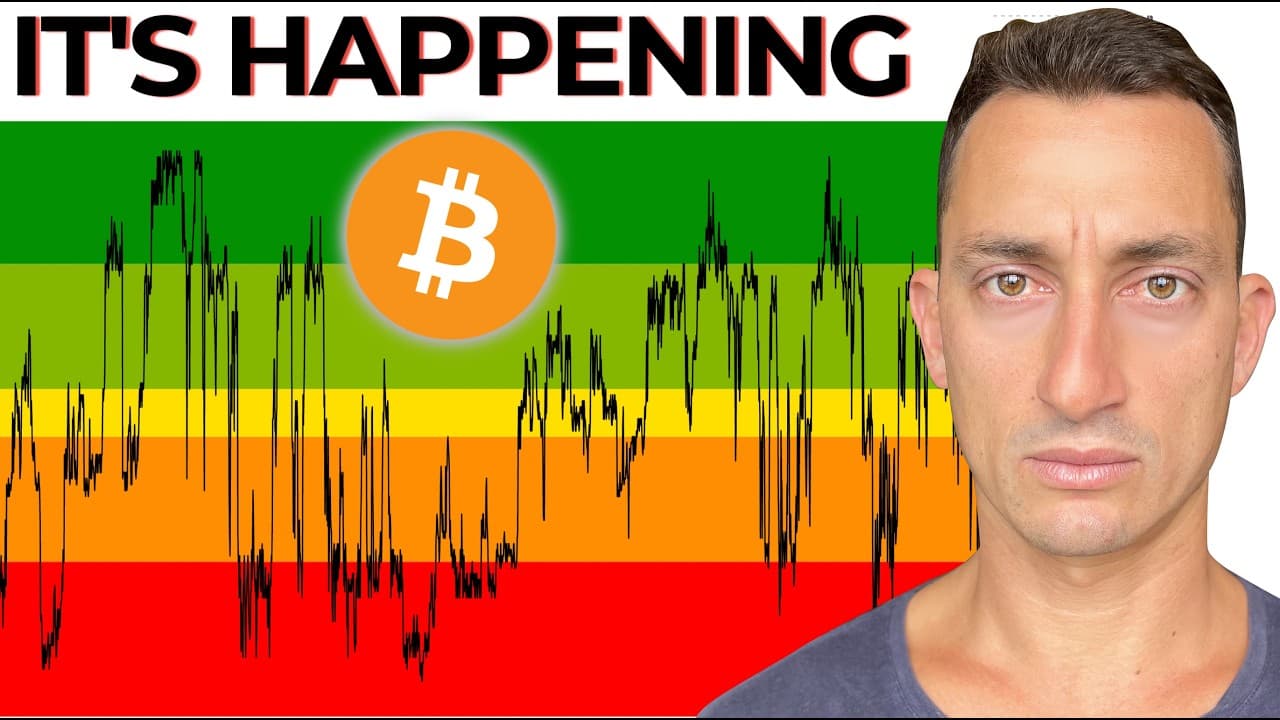
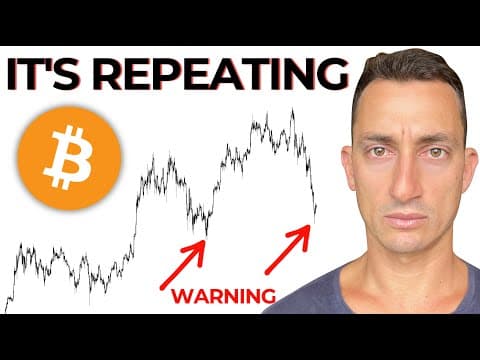
The Crypto Fear and Greed Index supports a Bitcoin bear-market case when sentiment stays mostly in fear, repeatedly returns to extreme fear, and fails to sustain greed. Bitcoin had gone at least 40 days without greed while enduring a $37,000 correction and falling below $90,000 for the first time since April. Read on for the sentiment and price conditions that could signal a bullish reversal.
Transcript
Bitcoin fell under $90,000 for the first time since April, marking over six months that it hadn't reached this price point. Now, within this correction being $37,000, we haven't seen any greed for at least 40 days. What does this mean in regards to a bull market and a bare market when looking at the sentiment of the markets? That's what I'm discuss... Read More
Key Insights
- • Bitcoin’s drop below $90,000 marked its first move under that level since April, while the broader correction reached $37,000. The presenter identifies this as the largest correction of the cycle and notes that Bitcoin had returned to negative territory for the year.
- • Testing the yearly opening price is presented as a warning sign because strong bull-market years usually maintained substantial gains above their opening levels. In 2021, Bitcoin revisited its January opening area after a 50% decline, produced a weak recovery to a new high, and subsequently collapsed.
- • Liquidity is described as the market’s dominant bullish narrative, supported by expectations surrounding stimulus checks, the government shutdown ending, quantitative tightening ending, and potential rate cuts. The anticipated liquidity-driven acceleration had not materialized by the time Bitcoin suffered its largest correction of the cycle.
- • Ending quantitative tightening does not automatically start quantitative easing, according to the presenter’s historical interpretation. The transition could take one month, several months, or six months, allowing Bitcoin’s correction to deepen and potentially leaving liquidity to arrive after the current cycle has already become a bear market.
- • A quarter-point interest-rate cut is portrayed as insufficient by itself to transform the market. The FedWatch probabilities discussed were split evenly between holding at 4% and cutting by one quarter of a point, while previous quarter-point reductions had not produced the expected broad market effect.
- • Bull-market sentiment typically rebounds quickly from extreme fear, according to the examples discussed from 2024 and the April tariff crash. Rising sentiment alongside weaker prices can create a divergence, while higher sentiment lows and renewed movement into greed can support the case for a continuing rally.
- • Bear-market sentiment remains predominantly below the index’s halfway point, with rallies into greed limited or absent. The 2022 example repeatedly returned to fear or extreme fear, while the small amount of greed coincided with a macro lower high before prices weakened again.
- • A bullish sentiment reversal requires the index to reach at least neutral, spend several days in greed, and hold above neutral during consolidation. The presenter also treats price structure and the unbroken $70,000 to $71,000 area as important, while emphasizing trading with the prevailing trend rather than debating labels.
Install to Summarize YouTube Videos and Get Transcripts
Explore YouTube Video Summarizer or Get YouTube Transcript Extractor
Questions & Answers
Q: How can the Crypto Fear and Greed Index signal a Bitcoin bear market?
The index supports a bear-market interpretation when sentiment remains mostly below its halfway point and rallies fail to produce sustained greed. In the 2022 example, sentiment repeatedly returned to fear or extreme fear, while the limited move into greed coincided with a macro lower high before prices weakened again.
Q: What must happen for Bitcoin sentiment to support a bull-market recovery?
The Crypto Fear and Greed Index must reach at least neutral and then spend several days in greed. During a subsequent consolidation, it should remain above neutral before moving higher again, while Bitcoin’s price structure also improves.
Q: What did at least 40 days without greed indicate about crypto sentiment?
At least 40 days without greed weakened the case that Bitcoin was experiencing a normal bull-market correction. The period followed a rapid shift from greed to just above extreme fear around the $20 billion liquidation day, and sentiment had not produced the quick recovery seen in the bullish examples discussed.
Q: How does sentiment differ between Bitcoin bull and bear markets?
In the bull-market examples, extreme fear was followed relatively quickly by a recovery toward neutral or greed. In the 2022 bear-market example, the index stayed mainly in fear or extreme fear, with rallies into greed limited or absent.
Q: Why is Bitcoin testing its yearly opening price concerning?
The presenter says strong bull-market years generally do not revisit their opening prices after producing significant gains. In 2021, Bitcoin returned to its January opening area during a 50% decline, made a weak recovery only a few thousand dollars beyond its previous high, and then collapsed.
Q: Why does ending quantitative tightening not guarantee an immediate Bitcoin rally?
Ending quantitative tightening does not mean quantitative easing and money creation begin automatically. The transition could take one month, several months, or six months, allowing Bitcoin’s correction and weakening price structure to continue before additional liquidity arrives.
Q: Can a quarter-point interest-rate cut reverse Bitcoin’s downtrend?
The presenter does not expect a quarter-point cut alone to transform the market, noting that previous quarter-point cuts had not produced the anticipated overall effect. The FedWatch probabilities discussed were split 50/50 between holding at 4% and cutting by one quarter of a point.
Q: What Bitcoin price level remains important to the bull-market case?
The $70,000 to $71,000 area is identified as an important level that Bitcoin had not yet broken. Preserving it leaves room for the bullish case, but the presenter emphasizes evaluating it alongside improving price structure and a sustained sentiment recovery.
Summary & Key Takeaways
-
Bitcoin fell below $90,000 after more than six months above that level, extending the cycle’s largest correction to $37,000 and returning the price toward its yearly open. The presenter considers that test concerning because strong bull-market years generally did not revisit their opening prices after producing significant gains.
-
The earlier bullish argument centered on liquidity from stimulus checks, the end of the government shutdown, the end of quantitative tightening, and expected rate cuts. However, ending quantitative tightening does not guarantee immediate quantitative easing, while a quarter-point rate cut may not materially reverse Bitcoin’s weakening price structure.
-
The Crypto Fear and Greed Index had avoided greed for at least 40 days after a rapid shift from greed to fear around the $20 billion liquidation day. A meaningful recovery must reach neutral, spend several days in greed, remain above neutral during consolidation, and accompany improving price structure.
Read in Other Languages (beta)
Share This Summary 📚
Summarize YouTube Videos and Get Video Transcripts with 1-Click
Try YouTube Summary with ChatGPT & Claude or YouTube Transcript Generator
Explore More Summaries from Jason Pizzino 📚


Summarize YouTube Videos and Get Video Transcripts with 1-Click
Try YouTube Summary with ChatGPT & Claude or YouTube Transcript Generator