What Is Nostalgia and Why Do We Feel It?
TL;DR
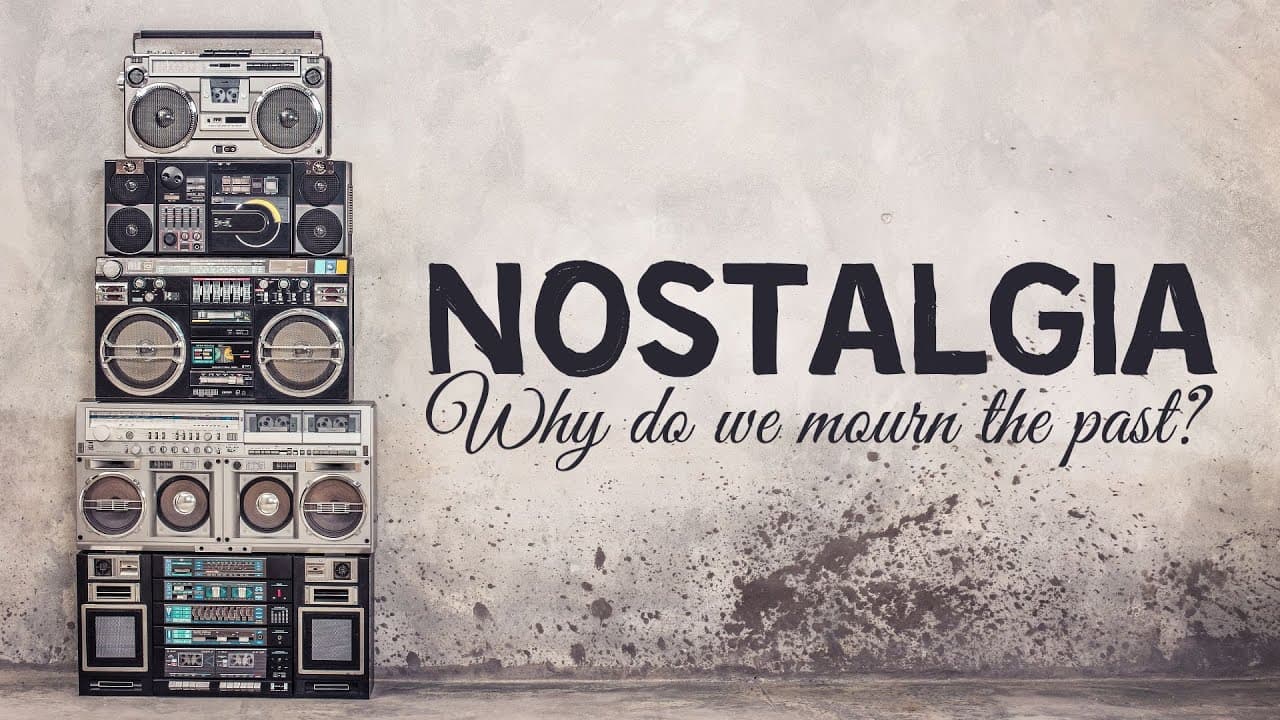
Nostalgia is a complex emotional experience characterized by a sentimental longing for the past, rooted in subjective memories that can evoke both joy and sadness. It often reflects our dissatisfaction with the present and a yearning for what has been lost, leading to a romanticized view of earlier times. While nostalgia can be pleasurable, it can also hinder acceptance of change and impermanence.
Transcript
people are divided about how we should approach these intense experiences related to past events called nostalgia some people just love to immerse themselves in memories good or bad and take deep journeys into the realm of the former other people avoid clinging to memories because this only makes them sad so can we see nostalgia as an enjoyable ind... Read More
Key Insights
- 🍝 Nostalgia can be both enjoyable and harmful, depending on our relationship with past memories.
- 👷 Memories are subjective constructs that can shape our identities and influence our emotions and perceptions.
- ❓ Nostalgia reflects a resistance to impermanence and a longing for familiar experiences.
- 🍝 Political strategies often rely on appealing to collective nostalgia for past times.
- 🥺 The subjective nature of memories can lead to glorification of past events and relationships.
- ❓ Nostalgia can create a sense of longing for familiar experiences, even if they were initially unhappy.
- 💱 Clinging to nostalgic fantasies can hinder progress and change in society.
Install to Summarize YouTube Videos and Get Transcripts
Explore YouTube Video Summarizer or Get YouTube Transcript Extractor
Questions & Answers
Q: How do memories of past experiences influence our present emotions and perceptions?
Memories of past experiences can evoke intense emotions and attachments, shaping our identities and influencing how we perceive and interact with the present moment. Our relationship with nostalgia can impact our overall well-being.
Q: Why do people often long for times in the past, even if they were initially unhappy during those periods?
Nostalgia can create a sense of longing for familiar experiences, even if they were not objectively positive. The subjective nature of memories can lead individuals to glorify past events or relationships, despite their actual circumstances.
Q: How can nostalgia influence political strategies and societal perceptions?
Politicians often appeal to collective nostalgia to evoke sentiments of longing for past times considered better. However, the past cannot be recreated, and clinging to nostalgic fantasies can hinder progress and adaptability in contemporary society.
Q: In what ways does nostalgia represent a form of resistance to impermanence and change?
Nostalgia involves a resistance to the impermanence of life by fixating on the past. This resistance leads individuals to escape the present moment and overlook the beauty of their current circumstances, ultimately causing suffering.
Summary & Key Takeaways
-
Nostalgia can be seen as both enjoyable indulgence and harmful suffering, depending on our relation to past memories.
-
Memories of past experiences can evoke intense emotions and attachments, shaping our identities and perceptions of the present.
-
Nostalgia involves a complex interplay between romanticizing the past, the subjective nature of memories, and resistance to impermanence.
Read in Other Languages (beta)
Share This Summary 📚
Summarize YouTube Videos and Get Video Transcripts with 1-Click
Try YouTube Summary with ChatGPT & Claude or YouTube Transcript Generator
Explore More Summaries from Einzelgänger 📚



Summarize YouTube Videos and Get Video Transcripts with 1-Click
Try YouTube Summary with ChatGPT & Claude or YouTube Transcript Generator