How to Start Fresh with Gratitude: A Morning Meditation

TL;DR
Start your morning gratitude practice by sitting comfortably, taking three deep cleansing breaths, and noticing your body’s contact with the supporting surface. Appreciate what your body does, useful possessions you may take for granted, and the people or animals who mean a lot to you. Say thank you aloud or silently, then carry that gratitude into the rest of your day. Read on for the complete sequence.
Transcript
Begin by sitting in a comfortable position spine tall and straight shoulders rolled back slightly to open up your heart resting your palms in your lap facing upwards and gently close your eyes Begin by taking three deep cleansing breaths stomach and rib cage fully expanding on every inhale and fully Contracting on every exhale take these three deep... Read More
Key Insights
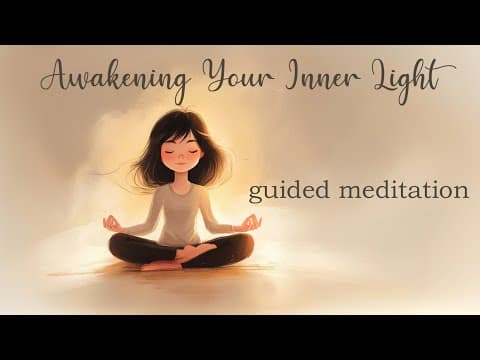
- The opening posture is a comfortable seated position with a tall, straight spine, shoulders rolled back slightly, palms resting upward in the lap, and eyes gently closed. This arrangement prepares the practitioner to breathe deeply and direct attention inward.
- Three deep cleansing breaths begin the meditation, with the stomach and rib cage fully expanding during each inhale and fully contracting during each exhale. After the third breath, breathing returns to a comfortable and natural pace.
- Body awareness is established by noticing personal presence, the weight of gravity, and every point of contact between the body and the supporting surface. This attention creates a physical foundation for the gratitude reflections that follow.
- Gratitude for the body develops by considering the many things it does and identifying personal reasons for appreciating it. The practice then invites a direct expression of thanks, spoken aloud or repeated silently within the mind.
- Appreciation for possessions begins with one object already used that day. The reflection examines why the possession is valuable, how it makes life easier, and how fortunate the practitioner is to have access to it.
- Everyday objects can become sources of gratitude when attention moves freely among possessions both large and small. The practice specifically highlights items that may normally be taken for granted but provide convenience or practical support.
- Gratitude for relationships includes both humans and animals who have brought meaning or affection into the practitioner’s life. Attention moves from one person or pet to another while considering why each is appreciated.
- The closing transition preserves gratitude beyond the meditation by reviewing the body, possessions, and relationships that were appreciated. Shoulder rolls, moving the fingers and toes, and slowly opening the eyes return attention to the room and the day.
Install to Summarize YouTube Videos and Get Transcripts
Explore YouTube Video Summarizer or Get YouTube Transcript Extractor
Questions & Answers
Q: How do you begin a morning gratitude meditation?
Sit comfortably with your spine tall and straight, your shoulders rolled back slightly, and your palms facing upward in your lap. Close your eyes and take three deep cleansing breaths, fully expanding your stomach and rib cage as you inhale and contracting them as you exhale. After the third breath, return to a comfortable breathing pace.
Q: How do you become present in your body during the meditation?
Notice your presence within your body, the weight of gravity, and every point where your body meets the supporting surface. Let yourself feel fully present in your body before beginning the gratitude reflections.
Q: How can you practice gratitude for your body?
Think for several moments about the amazing things your body does for you and why you appreciate it. Then thank your body either aloud or silently in your mind.
Q: How do you include possessions in a gratitude practice?
Begin with one possession you have already used that day and consider why you appreciate it and how it makes life easier. Continue through possessions both big and small, especially useful objects you normally take for granted. Recognize how fortunate you are to have them, then say thank you aloud or in your mind.
Q: Why does the meditation reflect on people who lack the same possessions?
The reflection highlights that many people do not have the possessions being considered. Recognizing this helps you notice how fortunate you are to have objects that make your life easier or more convenient.
Q: How do you practice gratitude for people and pets?
Bring to mind the people and animals you love or appreciate and consider why each one matters to you. Let your attention move freely from one person or animal to another while feeling grateful for them. Thank the people and pets you appreciate either aloud or silently.
Q: How do you finish the morning gratitude meditation?
Look back on your appreciation for your body, possessions, people, and animals. Roll your shoulders, wiggle your fingers and toes, and slowly open your eyes to the room. Keep the feeling of gratitude in your heart as you continue your day.
Q: What are the main stages of this morning gratitude meditation?
The practice begins with posture, three deep breaths, and awareness of gravity and physical contact. It then moves through gratitude for the body, everyday possessions, and meaningful people or animals. It closes with spoken or silent thanks and a gradual return to the room.
Summary & Key Takeaways
-
The meditation begins with a comfortable seated posture, a tall spine, slightly rolled-back shoulders, upward-facing palms, and closed eyes. Three deep cleansing breaths establish the practice. Attention then settles on ordinary breathing, physical presence, gravity, and the points where the body touches the supporting surface beneath it.
-
The central reflection moves through three areas of appreciation. First, gratitude is directed toward the body and everything it does. Next, attention shifts to useful possessions, including objects that are easily taken for granted. Finally, the practice recognizes beloved people and animals and considers why they matter.
-
The meditation closes by reviewing everything appreciated and recognizing the richness of having supportive physical abilities, useful belongings, and meaningful relationships. Practitioners silently or audibly say thank you, then roll their shoulders, move their fingers and toes, open their eyes, and carry gratitude throughout the remaining day.
Read in Other Languages (beta)
Share This Summary 📚
Summarize YouTube Videos and Get Video Transcripts with 1-Click
Try YouTube Summary with ChatGPT & Claude or YouTube Transcript Generator
Explore More Summaries from Great Meditation 📚

Summarize YouTube Videos and Get Video Transcripts with 1-Click
Try YouTube Summary with ChatGPT & Claude or YouTube Transcript Generator