How Ken Rideout Transformed Through Running
TL;DR
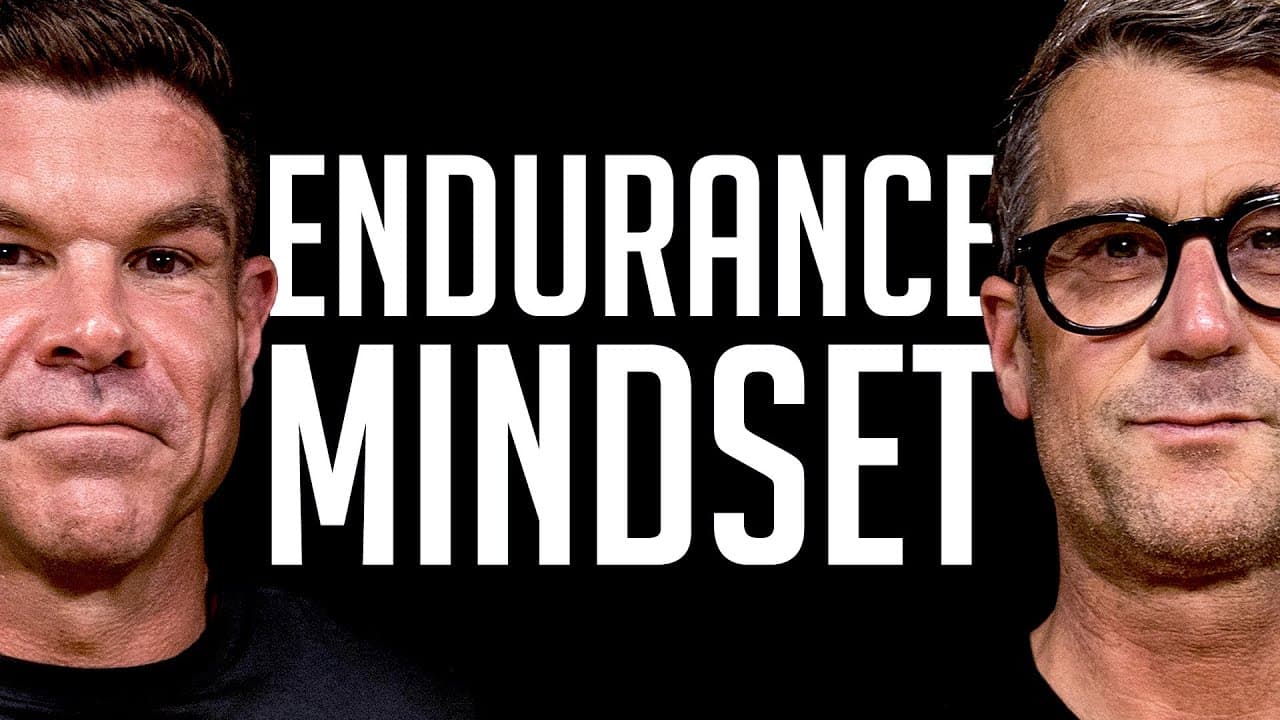
Realistic goals and steady progress can produce continued improvement well into midlife, as Ken Rideout says he ran faster every year for 15 years after age 35. His transformation grew from surviving a chaotic childhood, confronting opioid addiction, and applying commitment, discipline, personal responsibility, and competitive drive to work and athletics.
Transcript
I've run faster every year for 15 years since I'm 35. If me, I have a huge heart for tales of transformation, And today's rendition of this theme is just an absolute banger. Courtesy of my guest Ken Rideout. If you set some goals that are realistic, and just progress towards those goals, you can just keep progressively getting better. We talk about... Read More
Key Insights
- Realistic goals are a foundation for lasting progress because they create attainable steps toward improvement. Rideout connects consistent advancement with setting goals that can be pursued gradually, rather than treating transformation as a single dramatic event.
- Athletic improvement can continue through midlife, as Rideout says he ran faster every year for 15 years after age 35. His experience challenges the assumption that meaningful competitive development must end when an athlete is young.
- Sports were a source of structure and personal identity during Rideout's chaotic childhood. Hockey gave him an outlet, competitive peers, and a world separate from the unstable household where addiction and unpredictable behavior were common.
- Personal responsibility became central to Rideout's outlook at an early age. He delivered newspapers in the snow because he wanted stability and material independence, and he resisted defining success through benefits or things received without his own effort.
- Commitment can transform an intimidating situation into an opportunity for achievement. At sleepaway camp, Rideout declined an early departure, stayed for the full two weeks, immersed himself in sports, and ultimately earned camper of the year and every available award.
- Self-presentation was one area Rideout believed he could control when family circumstances were beyond his control. He focused on representing himself according to how he wanted others to see him, even while feeling embarrassed by events surrounding his family.
- Addiction complicated Rideout's early judgments about people who used drugs. He grew up feeling contempt for addiction and unethical behavior, but later confronting his own opioid addiction forced him to reconsider those experiences and brought his story full circle.
- Competitive identity survived even when Rideout's original athletic ambitions faded. After realizing his hockey peers were improving faster than he was, he eventually redirected his drive into education, work, recovery, and masters running rather than abandoning competition entirely.
Install to Summarize YouTube Videos and Get Transcripts
Explore YouTube Video Summarizer or Get YouTube Transcript Extractor
Questions & Answers
Q: How did Ken Rideout keep improving as a runner after age 35?
Ken Rideout attributes continued improvement to setting realistic goals and progressing toward them consistently. He says he ran faster every year for 15 years after turning 35. His account suggests that midlife development depends on treating performance as a gradual process, maintaining competitive motivation, and repeatedly working toward attainable objectives instead of assuming athletic growth has already ended.
Q: How did Ken Rideout's childhood shape his mindset?
Rideout's childhood taught him to seek control, stability, and self-reliance amid circumstances he could not manage. His parents were divorced, his household was financially strained, and addiction and mental health problems affected close relatives. He responded by investing in sports, working a newspaper route, and focusing on how he represented himself when he could not control his family's actions.
Q: Why were sports important to Ken Rideout as a child?
Sports gave Rideout an outlet from an unstable home and provided a competitive identity built around people he admired. He played youth hockey with peers who later became highly accomplished players, and athletes were his heroes. Although he eventually noticed that others were improving faster, sports still taught him to compete, persist, and seek achievement through his own effort.
Q: What did Ken Rideout learn from staying at sleepaway camp?
Rideout learned that remaining committed to an uncomfortable situation could lead to recognition and success. At about 10 years old, he entered an intimidating two-week sports camp and declined to leave when his mother offered to take him home. He completed the experience, won camper of the year and other awards, and associated perseverance with a positive result.
Q: How did Ken Rideout respond to poverty and family instability?
Rideout responded by aspiring to a more stable life and trying to earn what he wanted independently. He disliked relying on food stamps and other assistance because those experiences embarrassed him, and he began delivering newspapers when he was young. His reaction was shaped by a desire to separate his future from the instability, addiction, and financial hardship surrounding him.
Q: How did addiction affect Ken Rideout's personal transformation?
Addiction became both a childhood influence and a later personal crisis. Rideout grew up around heroin addiction and initially felt contempt for people whose behavior created instability. He later faced his own opioid addiction, an experience he describes as mortifying and difficult to discuss. Confronting that contradiction brought his early judgments and adult struggles into the same transformation story.
Q: How did Ken Rideout become a maximum-security prison guard?
A coach who knew Rideout's father approached him after a high school game and offered him a job at a prison. Rideout initially believed he would be cutting grass or performing maintenance. Instead, he arrived after graduating from high school, received a uniform and roughly half a day of classroom instruction, and discovered that he would serve as an actual guard.
Q: What does Ken Rideout's story suggest about overcoming setbacks?
Rideout's story suggests that setbacks do not have to define a person's remaining options. He faced household chaos, financial hardship, fading expectations of becoming an elite hockey player, difficult prison work, and opioid addiction. His response centered on realistic goals, steady progress, commitment, and the belief that seeing other people succeed can expand one's sense of what is personally possible.
Summary & Key Takeaways
-
Ken Rideout grew up in an unstable Boston household shaped by divorce, financial hardship, addiction, mental health problems, and frequent embarrassment. Sports offered structure and an identity he could control. Surrounded by chaos, he developed a strong desire for stability, self-reliance, ethical behavior, and achievements earned through his own effort.
-
At roughly 10 years old, Rideout chose to remain at a two-week sleepaway sports camp after his family offered to take him home. Although he initially found the environment intimidating, he committed fully, protected his belongings, participated in the activities, and ultimately received camper of the year and every available award.
-
After high school, Rideout attended Framingham State and played football and hockey. He also unexpectedly began working as a guard in a maximum-security prison after believing the job would involve grounds maintenance. His broader story includes overcoming opioid addiction, reaching Wall Street, and becoming a successful masters runner after age 50.
Read in Other Languages (beta)
Share This Summary 📚
Summarize YouTube Videos and Get Video Transcripts with 1-Click
Try YouTube Summary with ChatGPT & Claude or YouTube Transcript Generator
Explore More Summaries from Rich Roll 📚


Summarize YouTube Videos and Get Video Transcripts with 1-Click
Try YouTube Summary with ChatGPT & Claude or YouTube Transcript Generator