What Did Macron and Xi Agree to in Beijing?
TL;DR
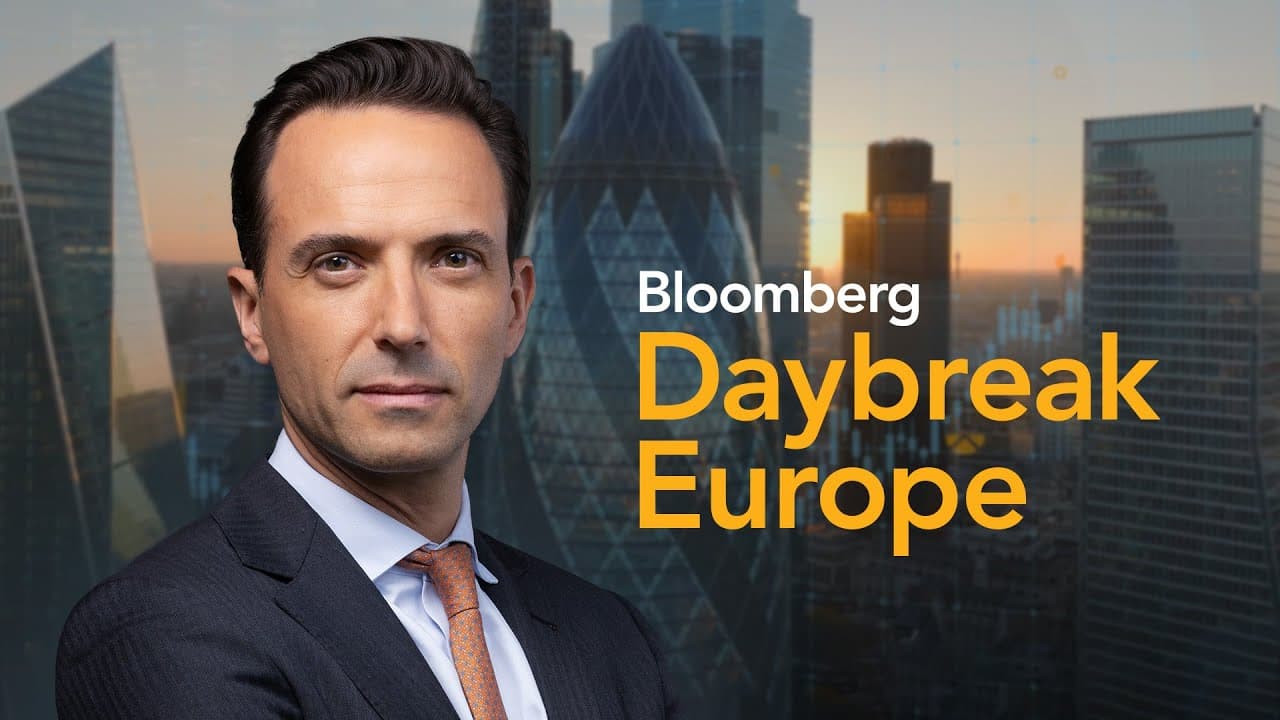
France and China signed 12 cooperation agreements during Emmanuel Macron’s three-day visit, covering areas including natural resources, minerals, investment, social benefits, and aging. Macron also sought progress on Airbus aircraft sales, food and cognac exports, and France’s trade imbalance, while major geopolitical differences over Ukraine and Taiwan left little room for negotiation.
Transcript
TOM: GOOD MORNING. THIS IS BLOOMBERG DAYBREAK EUROPE. TOM: THESE ARE THE STORIES THEY SET YOUR AGENDA. GLOBAL STOCKS GAIN AFTER WEAK U.S. PRIVATE PAYROLLS DATA. LIFTS THE ODDS OF A FED RATE CUT NEXT WEEK. AN AUCTION OF APAN'S 30 YEAR BONDS DRAWS THE STRONGEST DEMAND SINCE 2019. FRENCH PRESIDENT EMMANUEL MACRON MEETS XI JINPING IN CHINA WITH BOTH LE... Read More
Key Insights
- France and China signed 12 cooperation agreements during Macron’s Beijing visit, covering natural resources, minerals, investment, social benefits, and aging. The agreements demonstrated practical cooperation even though the two governments continued to face more difficult disputes involving commerce and geopolitics.
- Macron’s commercial agenda included a possible Airbus aircraft transaction. He traveled with the head of Airbus, while a Chinese leasing company was reportedly considering negotiations for a fleet, making aviation one of the most significant potential business opportunities associated with the visit.
- France’s trade priorities included food, beverages, and cognac exports to China. Macron brought a French cognac executive, sought to push back against tariffs, reported progress concerning food exports, and aimed to address the persistent trade imbalance between the two countries.
- Geopolitical disagreements offered little apparent room for negotiation. China’s principal concern was described as Taiwan, while France emphasized the war in Ukraine, showing that the visit’s strongest immediate prospects lay in business cooperation rather than major diplomatic alignment.
- Both governments wanted improved operating conditions for their companies. The discussion highlighted resistance encountered by a Chinese company in France, including protests and class-action lawsuits, alongside French concerns about access, tariffs, exports, and the treatment of businesses in China.
- United States private payrolls fell by 32,000 jobs in November, according to the ADP measure discussed in the broadcast. It was the fourth contraction reported by that measure during the year and the largest contraction of the year, increasing attention on labor-market weakness.
- Small United States businesses shed 120,000 jobs in November under ADP’s classification of companies with fewer than 50 employees. The pronounced decline mattered because the broadcast characterized small businesses as an important engine of domestic growth and employment.
- Markets priced a greater than 90% probability of a quarter-point Federal Reserve rate cut the following week after the weak payroll report. The reaction included modest stock gains, small-cap outperformance, some dollar weakness, and a view that the data supported easing without yet signaling recession.
Install to Summarize YouTube Videos and Get Transcripts
Explore YouTube Video Summarizer or Get YouTube Transcript Extractor
Questions & Answers
Q: What agreements did Macron and Xi sign in Beijing?
Emmanuel Macron and Xi Jinping oversaw the signing of 12 cooperation agreements during the French president’s three-day visit to China. The agreements covered areas including natural resources, minerals relevant to Europe, investment, social benefits, and aging. They represented concrete progress in bilateral cooperation, although the transcript did not provide the complete text, financial value, or implementation timetable for each agreement.
Q: What business deals did France pursue during Macron’s China visit?
France pursued opportunities involving aviation, cognac, food exports, and broader market access. Macron traveled with the head of Airbus, and a Chinese leasing company was reportedly considering negotiations for a fleet of Airbus aircraft. He also brought the head of a French cognac company, sought progress against tariffs, and said advances were being made regarding exports of French food to China.
Q: Why was Airbus important to Macron’s Beijing visit?
Airbus was important because a potential aircraft order was among the most notable commercial opportunities under discussion. Macron brought the company’s head as part of his delegation, while a Chinese leasing company was described as looking to negotiate for an Airbus fleet. The transcript presented this as a possible business deal rather than a completed purchase, so no order size or value was confirmed.
Q: What trade problems did Macron raise with China?
Macron sought to address tariffs affecting French products, improve food and beverage exports, and reduce France’s trade imbalance with China. The presence of a French cognac executive signaled concern about that industry’s access to the Chinese market. The report said Macron was making progress on food exports, but it also noted that China had not made significant moves to resolve the longstanding imbalance.
Q: Which geopolitical issues divided France and China?
Taiwan and the war in Ukraine were identified as the principal geopolitical issues. China was expected to seek more from France regarding Taiwan, while France placed emphasis on Ukraine. The correspondent saw very little room for negotiation in these areas, suggesting that practical agreements on commerce and cooperation were more achievable than major changes in either government’s geopolitical position.
Q: How did the November ADP payroll report affect Fed expectations?
The ADP report showed United States private payrolls falling by 32,000 jobs in November, the fourth contraction of the year and the worst contraction reported that year. With the regular nonfarm payroll report unavailable at that point, markets focused more heavily on ADP and priced more than a 90% probability of a quarter-point Federal Reserve rate cut the following week.
Q: Why was the decline in small-business employment significant?
Businesses with fewer than 50 employees shed 120,000 jobs in November under ADP’s classification. The broadcast considered that weakness particularly important because small businesses were described as an engine of United States domestic growth. Their losses were substantially larger than the overall private-payroll decline, indicating that employment pressure was concentrated heavily among smaller employers rather than distributed evenly across businesses.
Q: What did the broadcast say about Scott Bessent’s possible expanded role?
Donald Trump’s allies were reportedly considering Treasury Secretary Scott Bessent for the additional position of National Economic Council director if Kevin Hassett became Federal Reserve chair. Holding both responsibilities would consolidate oversight of economic policy across the Treasury and White House and give Bessent an office in the West Wing. The discussion also treated the possibility as another signal that Hassett was being seriously considered for the Fed position.
Summary & Key Takeaways
-
Emmanuel Macron met Xi Jinping in Beijing during a three-day visit focused on economics, trade, Ukraine, and Taiwan. The leaders called for greater cooperation and signed 12 agreements spanning natural resources, minerals, investment, social benefits, and aging, while broader commercial negotiations remained under discussion.
-
France pursued additional commercial gains during the visit. Macron brought executives connected to Airbus and the cognac industry, while a Chinese leasing company considered negotiating for an Airbus fleet. He also reported progress on food exports and sought relief from tariffs affecting French products and the bilateral trade imbalance.
-
The wider broadcast connected the summit with changing market expectations. A 32,000 decline in November private payrolls increased the probability of a quarter-point Federal Reserve cut to more than 90%. Strong demand at Japan’s 30-year bond auction and political debate about future United States economic leadership also shaped sentiment.
Read in Other Languages (beta)
Share This Summary 📚
Summarize YouTube Videos and Get Video Transcripts with 1-Click
Try YouTube Summary with ChatGPT & Claude or YouTube Transcript Generator
Explore More Summaries from Bloomberg Television 📚
Summarize YouTube Videos and Get Video Transcripts with 1-Click
Try YouTube Summary with ChatGPT & Claude or YouTube Transcript Generator