What Are the Real Reasons Behind Infidelity?
TL;DR
Infidelity occurs not only due to relationship issues but also from a desire for emotional connection, novelty, and a feeling of aliveness. Many people who cheat do not fit the stereotype of chronic philanderers; instead, they face a conflict between their values and desires. Healing after an affair is possible through honest communication, restoring trust, and re-examining what the relationship means to both partners.
Transcript
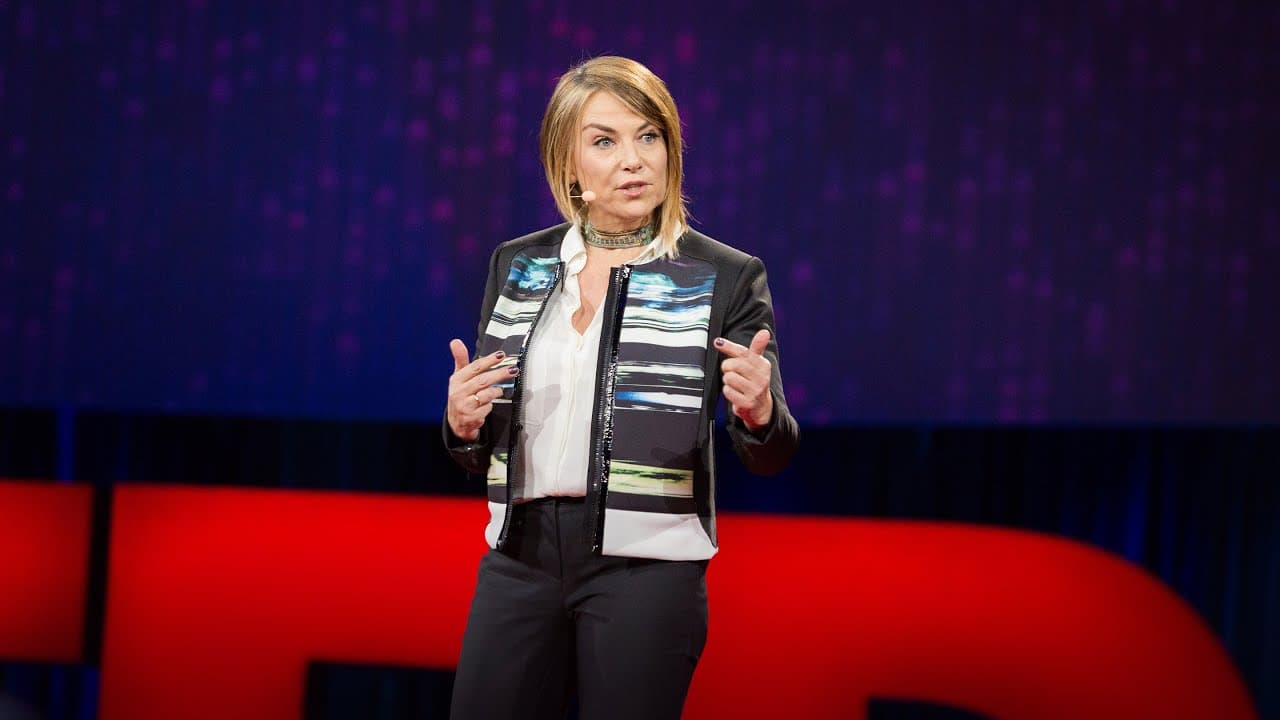
Why do we cheat? And why do happy people cheat? And when we say "infidelity," what exactly do we mean? Is it a hookup, a love story, paid sex, a chat room, a massage with a happy ending? Why do we think that men cheat out of boredom and fear of intimacy, but women cheat out of loneliness and hunger for intimacy? And is an affair always the end of a... Read More
Key Insights
- 💔 Adultery has been a part of marriage since it was invented, and the taboo against it remains strong. Despite being universally forbidden, infidelity is also universally practiced.
- 🧔 Throughout history, men were given more leeway to cheat due to biological and evolutionary theories, while women faced harsh consequences for straying.
- 🔍 The definition of infidelity is constantly expanding, making it difficult to determine what percentage of people cheat. Estimates range widely from 26 percent to 75 percent.
- 💑 Affairs are often driven by a desire for emotional connection, novelty, autonomy, and sexual intensity, as well as a wish to recapture lost parts of oneself or seek vitality in the face of loss.
- ❣️ Affairs are ultimately about desire, not just sex. They provide a sense of feeling desired, important, and special.
- 💔 Infidelity threatens our sense of self and our emotional security in romantic relationships. The discovery of an affair can lead to a crisis of identity and a loss of trust.
- 🔄 Affairs can serve as a wake-up call for couples, forcing them to have deep conversations, rekindle desire, and potentially transform their relationship into something stronger.
- 🌱 Healing from an affair requires ending the affair, expressing guilt and remorse, restoring trust, focusing on self-worth, avoiding sordid details, and exploring the meaning and motives behind the affair. Couples can choose to redefine their relationship after infidelity.
- 🎙️ More videos with Esther Perel:
Install to Summarize YouTube Videos and Get Transcripts
Explore YouTube Video Summarizer or Get YouTube Transcript Extractor
Questions & Answers
Q: How does our perception of infidelity differ between men and women?
Society often assumes that men cheat out of boredom and fear of intimacy, while women cheat out of loneliness and a hunger for intimacy. However, these generalizations may not capture the full complexity of individual motivations for infidelity.
Q: What factors contribute to the appeal of an affair?
Affairs can be driven by a desire for emotional connection, novelty, freedom, sexual intensity, or a wish to recapture lost parts of ourselves. They may also be a response to questions of mortality or a longing for feeling alive.
Q: Can affairs happen in open relationships?
Even in relationships that permit multiple partners, the allure of the forbidden can still lead people to have affairs. Breaking the rules can provide a sense of truly fulfilling desires that are typically off-limits.
Q: How can a couple heal from an affair?
The process of healing requires the perpetrator to express genuine guilt and remorse, actively protect relationship boundaries, and provide space for the betrayed partner to rebuild their sense of self-worth. Open and honest communication about the meaning and motives behind the affair is crucial.
Q: How common is infidelity?
Due to the expanding definitions of infidelity (including sexting, using dating apps, etc.), estimates of how many people cheat vary widely, ranging from 26% to 75%.
Q: Can affairs lead to positive change in a relationship?
While some affairs can be the death knell for a troubled relationship, others can prompt deeper conversations, rediscovery of desire, and an opportunity to create a stronger, more authentic partnership.
Q: Would the speaker recommend having an affair?
The speaker does not endorse or recommend affairs, comparing them to illnesses. However, she acknowledges that some individuals may find a new perspective or personal growth in the aftermath of an affair. Ultimately, she urges couples to create a new relationship together if they choose to stay together after an affair is revealed.
Summary & Key Takeaways
-
The speaker has worked with couples affected by infidelity for a decade.
-
Infidelity is a poorly understood but common act that can profoundly damage relationships.
-
Men have historically been given more leniency to cheat, while women face severe consequences for doing the same.
Read in Other Languages (beta)
Share This Summary 📚
Summarize YouTube Videos and Get Video Transcripts with 1-Click
Try YouTube Summary with ChatGPT & Claude or YouTube Transcript Generator
Explore More Summaries from TED 📚






Summarize YouTube Videos and Get Video Transcripts with 1-Click
Try YouTube Summary with ChatGPT & Claude or YouTube Transcript Generator