How Did New Hollywood Films Change Cinema?
TL;DR
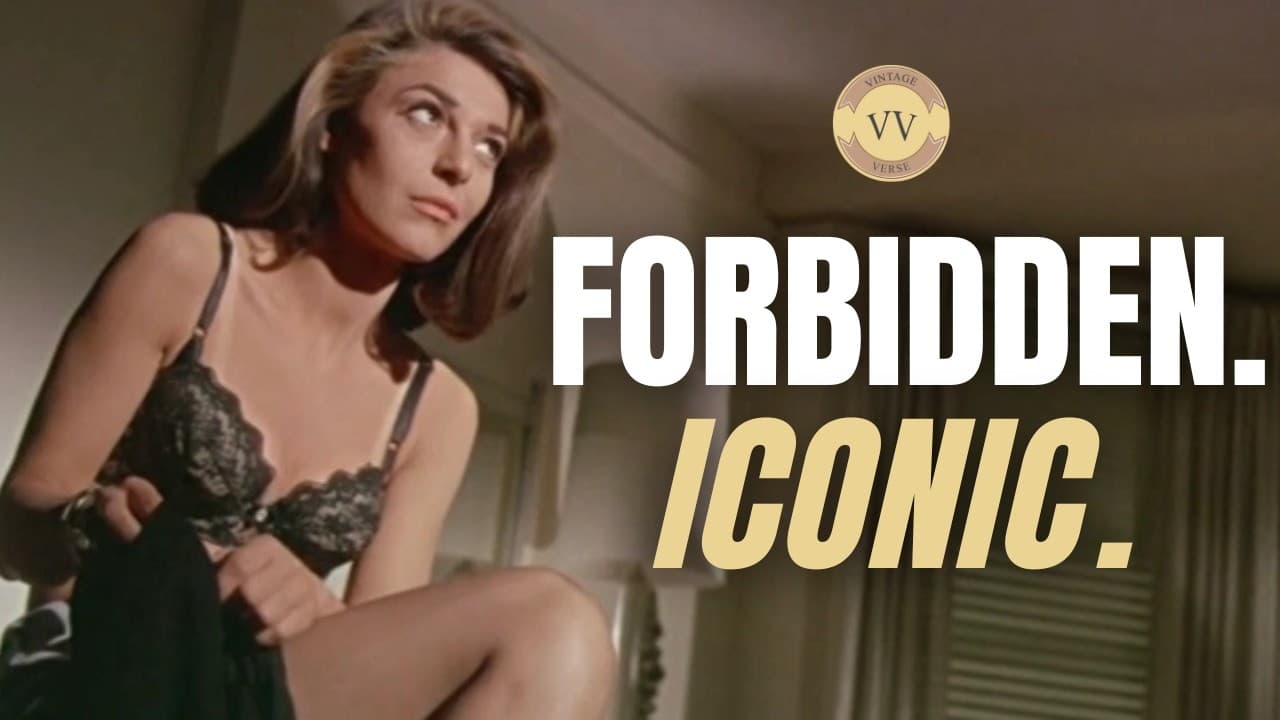
New Hollywood changed cinema by rewarding filmmakers who used outsiders, antiheroes, adult themes, real locations, improvisation, moral ambiguity, and harsher violence. Films such as The Graduate, Bonnie and Clyde, Easy Rider, Midnight Cowboy, The Wild Bunch, Chinatown, and Mean Streets showed studios that unconventional stories could attract audiences, influence genres, and sometimes achieve major commercial or awards success.
Transcript
You know the scenes, the lines, the faces, but did you know which director almost got fired or which star improvised a line that became iconic? Studios tried to shut some of these down before they hit the screen. Now Hollywood's all franchises. They just don't make movies like this anymore. Here are 10 groundbreaking films that changed Hollywood fo... Read More
Key Insights
- The Graduate changed expectations for leading men by presenting Dustin Hoffman’s awkwardness and uncertainty as central strengths. Mike Nichols chose him over the polished heartthrob type favored by the studio, and the character’s confusion helped younger viewers see their own transition into adulthood represented on screen.
- Bonnie and Clyde expanded the accepted visual language of screen violence through squibs, slow motion, and a brutal final shootout. Arthur Penn resisted pressure to soften the film, while Warren Beatty supported greater realism and chaos, proving that a glamorous yet violent antihero story could succeed commercially.
- Easy Rider demonstrated that a low-budget road film made with real travel, real towns, minimal rules, and a strong connection to youth culture could reach a large audience. Its success encouraged studios and independent filmmakers to pursue outsider stories, location shooting, expressive soundtracks, and greater creative freedom.
- Midnight Cowboy established that taboo adult material and damaged characters could receive the film industry’s highest recognition. Its use of New York streets, improvisation, city noise, and an unexpectedly preserved traffic encounter supported a raw style that encouraged studios to take gritty dramas more seriously.
- The Wild Bunch transformed the traditional western by replacing clean heroism with bloodshed, lawlessness, moral ambiguity, and outlaws who could not escape untouched. Sam Peckinpah’s slow-motion gunfights and chaotic action influenced later action filmmaking, while the film narrowed the familiar distinction between heroes and villains.
- Chinatown restored noir as a contemporary model by combining slow-burning corruption, broken dreams, production conflict, and a bleak ending. Roman Polanski rejected studio requests for a happier resolution, and the film’s commercial reception encouraged other studios to pursue darker stories that leave audiences unsettled.
- Mean Streets reshaped crime films by focusing on small-time criminals, Catholic guilt, neighborhood relationships, and the struggle to preserve one’s soul. Martin Scorsese used real bars, borrowed apartments, natural city sound, and improvisation to replace polished gangster conventions with intimate tension and personal truth.
- One Flew Over the Cuckoo’s Nest pursued authenticity by filming inside a real psychiatric ward instead of relying on a soundstage. The crew lived on site, and actual patients appeared among the background figures, placing the production within the environment represented by its story.
Install to Summarize YouTube Videos and Get Transcripts
Explore YouTube Video Summarizer or Get YouTube Transcript Extractor
Questions & Answers
Q: How did The Graduate change Hollywood casting?
The Graduate challenged the belief that a leading man needed to be tall, polished, smooth, and conventionally handsome. Director Mike Nichols selected Dustin Hoffman because his awkward outsider quality suited Benjamin Braddock. Hoffman’s genuine nervousness contributed to the character’s tension and uncertainty, helping younger audiences identify with him and encouraging studios to seek less conventional stars.
Q: Why was Bonnie and Clyde considered groundbreaking?
Bonnie and Clyde combined glamorous antiheroes with unusually graphic and stylized violence. Its squibs, slow motion, and chaotic final shootout disturbed some early viewers and alarmed critics and studio executives. Arthur Penn fought efforts to reduce the material, while Warren Beatty pushed for realism. Its success showed that bold violence and moral complexity could attract audiences.
Q: How did Easy Rider influence independent filmmaking?
Easy Rider showed that filmmakers could create a successful road story outside normal studio methods. Dennis Hopper and Peter Fonda traveled across America, filmed in real towns, worked without the usual permits and rules, and used an open, unpredictable style. Its strong box-office performance encouraged studios to pursue youth culture, outsider stories, location shooting, and low-budget creative freedom.
Q: Why is the improvised scene in Midnight Cowboy important?
During a street crossing in Midnight Cowboy, a cab nearly hit Dustin Hoffman and Jon Voight because it missed its mark. Hoffman struck the hood and shouted while remaining in character, and the production kept the unplanned moment. The scene became central to the film’s identity because it captured the danger, noise, and spontaneity of real New York streets.
Q: How did Midnight Cowboy change attitudes toward adult drama?
Midnight Cowboy brought slums, hustlers, broken dreams, harsh language, violence, and unstable characters into an awards-winning drama. John Schlesinger resisted executive requests to soften the material, while location shooting and improvisation preserved its rough character. Its Best Picture victory demonstrated that taboo subject matter and gritty urban realism could receive major institutional recognition.
Q: How did The Wild Bunch change action movies?
The Wild Bunch replaced the clean morality of older westerns with bloody gunfights, physical chaos, compromised outlaws, and a world where nobody escapes untouched. Sam Peckinpah used slow motion, stunts, dust, and bodies in motion to make violence feel disruptive. The approach influenced action directors seeking larger set pieces, greater grit, and morally ambiguous characters.
Q: Why did Chinatown keep its bleak ending?
Chinatown kept its bleak ending because Roman Polanski refused studio requests for a happier conclusion. The production involved script changes, conflict among participants, and concern from Paramount that the film might fail. Its eventual commercial success showed that audiences could accept a noir story built around corruption, broken dreams, mistrust, and a final emotional shock.
Q: How did Mean Streets reshape gangster films?
Mean Streets shifted crime drama away from powerful mob bosses and spectacular shootouts toward small-time criminals, neighborhood relationships, religious guilt, debt, and personal tension. Martin Scorsese drew on his own life, filmed in real bars and borrowed apartments, and allowed Robert De Niro and Harvey Keitel to improvise. The result emphasized truth and character over gangster mythology.
Summary & Key Takeaways
-
The Graduate challenged Hollywood’s conventional image of a leading man by casting Dustin Hoffman as an anxious, awkward outsider. Mike Nichols incorporated Hoffman’s genuine nervousness into Benjamin Braddock’s characterization, helping young audiences recognize their own uncertainty on screen. Its commercial success encouraged studios to search for unconventional stars and youth-centered stories.
-
Bonnie and Clyde, Easy Rider, Midnight Cowboy, and The Wild Bunch pushed against established restrictions through explicit violence, antiheroes, adult subject matter, location shooting, improvisation, and unconventional production methods. Their reception showed that controversial filmmaking could find large audiences, win major recognition, and inspire studios to pursue youth culture, realism, and greater creative risk.
-
Chinatown and Mean Streets demonstrated two different paths for challenging established filmmaking. Chinatown revived noir through corruption, broken dreams, and an uncompromising ending, while Mean Streets built crime drama from personal experience, neighborhood settings, guilt, and natural dialogue. Both influenced later filmmakers by prioritizing emotional truth over polished heroes or reassuring conclusions.
Read in Other Languages (beta)
Share This Summary 📚
Summarize YouTube Videos and Get Video Transcripts with 1-Click
Try YouTube Summary with ChatGPT & Claude or YouTube Transcript Generator
Explore More Summaries from VintageVerse 📚

Summarize YouTube Videos and Get Video Transcripts with 1-Click
Try YouTube Summary with ChatGPT & Claude or YouTube Transcript Generator