How to Improve Your Sales Process to Close More
TL;DR
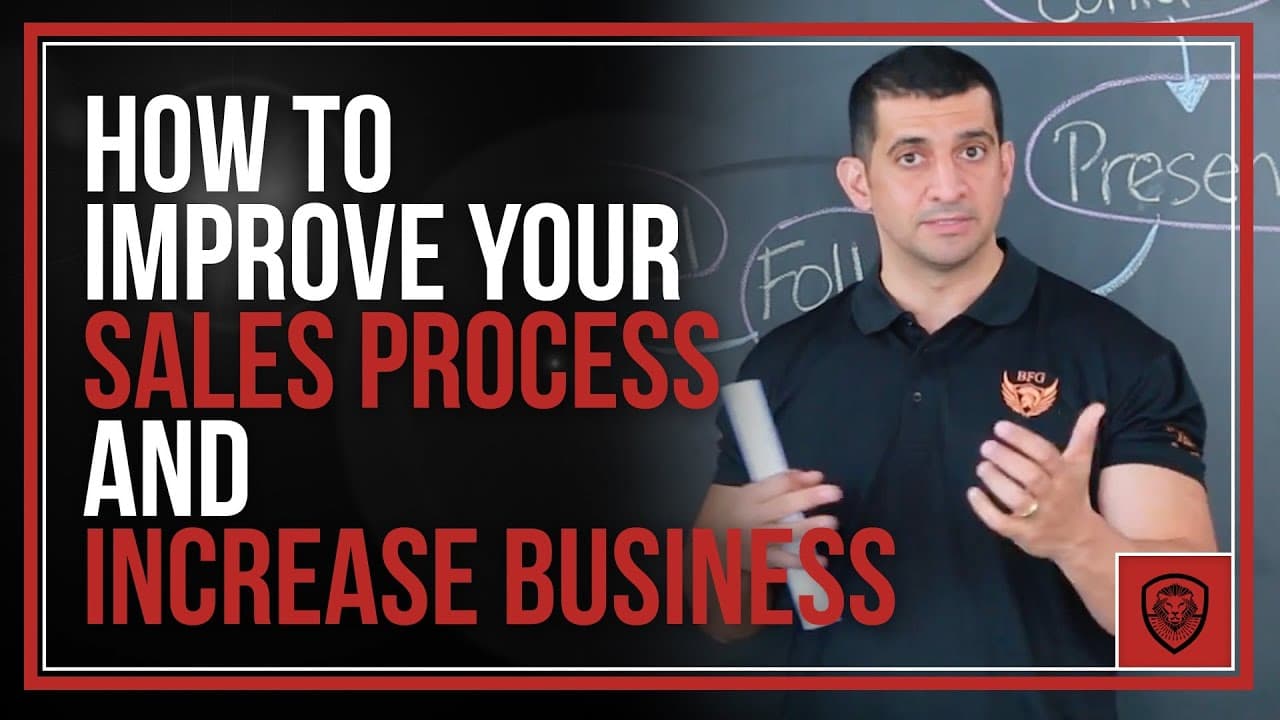
The video breaks the sales process into six parts and stresses disciplined follow through. It recommends building multiple prospecting nets, using scripts for approach and contact, and keeping presentations concise with plenty of questions. Consistent follow up and maintaining relationships are highlighted as essential to turning prospects into customers.
Transcript
Whether you're an entrepreneur or just an are. We're all sales people. So when somebody says, "I'm not a salesperson, the meaning of an entrepreneur. Every entrepreneur is a salesperson. So, I want you to today look at this from of the sales process do I make a mistake in. Where is your leak in the sales process of leak that you have? Because for m... Read More
Key Insights
- Prospecting is not just cold calling; it includes multiple channels and tiers of relationships from unknown to known contacts.
- The approach and contact phase should combine in-person outreach, LinkedIn, and follow-up messaging to create a coherent path to engagement.
- A presentation should be concise, focused on questions, and oriented toward the buyer’s needs rather than long history of the company.
- Follow up is a discipline, not a one-time effort, using scripted, polite persistence to re-engage prospects over time.
- Referrals are a critical source of new business and should be cultivated through relationships and value exchanges.
- Maintaining customer relationships is an ongoing process that sustains revenue and unlocks future opportunities.
- Discipline plus attention to details separates successful closers from those who stall, emphasizing reliability and time management.
- Scripts for calls, emails, and social messages reduce friction and standardize the sales process across channels.
Install to Summarize YouTube Videos and Get Transcripts
Explore YouTube Video Summarizer or Get YouTube Transcript Extractor
Questions & Answers
Q: How many parts are in the sales process according to the video, and what are they?
The video outlines six parts of the sales process: Prospecting, Approach and Contact, Presentation, Follow Up, Referrals, and Maintain Customer Relationships. Each stage represents a potential leak where performance can drop, and addressing leaks is the core message of improving sales effectiveness. The six steps form a complete pipeline from initial outreach to ongoing account stewardship.
Q: Why is prospecting described as more than just cold market outreach?
Prospecting is described as a multi-channel effort that includes reaching out to people you don’t know, people you know, and turning strangers into friends through relationship building. It also includes creating a network of nets across social media, networking events, and center of influence contacts. The idea is to diversify the pathways to opportunities and not rely on a single method.
Q: What role does the Center of Influence play in prospecting?
Center of Influence refers to key respected people in your community whom you contact for introductions and opportunities. The approach involves identifying top 20 people, requesting coffee, and offering help in return. Over time these relationships can yield referrals and trusted contacts, expanding the feeder network beyond cold outreach.
Q: What is the difference between approach and contact and the presentation stage?
Approach and Contact involves preparing the initial touchpoints, such as calling, emailing, or connecting on LinkedIn, and initiating a relationship. The presentation stage, by contrast, focuses on delivering a concise, structured discussion with strategic questions that uncover the buyer’s needs and avoid excessive product-focused dialogue. The two stages are sequential and build a foundation for a successful sale.
Q: What is emphasized as the key to effective presentation?
Effective presentation hinges on asking the right questions and keeping the conversation buyer-centric. A good presenter should involve the client by asking about importance, feelings, and priorities, and avoid long monologues. The aim is to guide the buyer through their own decision process with clarity, not to overwhelm them with history or feature lists.
Q: Why is follow up considered critical in sales according to the video?
Follow up is described as the most important discipline in sales, often determining the final outcome. The speaker shares examples of persistent, scripted follow ups that keep the conversation alive, such as scheduling the next contact and acknowledging objections. Regular, timely follow ups turn uncertain prospects into committed customers.
Q: How should scripts be used in sales, based on the video?
Scripts should be used across all touchpoints—phone, email, LinkedIn, and in-person conversations—to provide a reliable framework, reduce hesitation, and maintain consistency. The presenter shares his experience with a proven script for initial calls and follow-ups, illustrating how structure can accommodate different buyer responses while staying focused on user needs.
Q: What is the role of referrals and how are they cultivated?
Referrals are treated as a natural extension of a well-managed sales process. By providing value, maintaining relationships, and engaging centers of influence, you earn referrals from satisfied customers and trusted contacts. The goal is to build a network that continuously feeds opportunities, reducing the reliance on cold outreach and improving conversion rates.
Summary & Key Takeaways
-
The video identifies six steps of selling: prospecting, approach and contact, presentation, follow up, referrals, and maintaining customer relationships, arguing that leaks occur in any of these stages and must be fixed.
-
Discipline and attention to detail are framed as the two core drivers of sales success, with scripts and structured follow ups serving as practical tools to ensure consistency.
-
The presenter emphasizes using multiple prospecting channels, including social media, networking events, and center of influence strategies, and highlights the importance of asking questions during presentations to keep the buyer engaged.
Read in Other Languages (beta)
Share This Summary 📚
Summarize YouTube Videos and Get Video Transcripts with 1-Click
Try YouTube Summary with ChatGPT & Claude or YouTube Transcript Generator
Explore More Summaries from Valuetainment 📚

Summarize YouTube Videos and Get Video Transcripts with 1-Click
Try YouTube Summary with ChatGPT & Claude or YouTube Transcript Generator