How Has Leadership Changed Since the Pandemic?
TL;DR
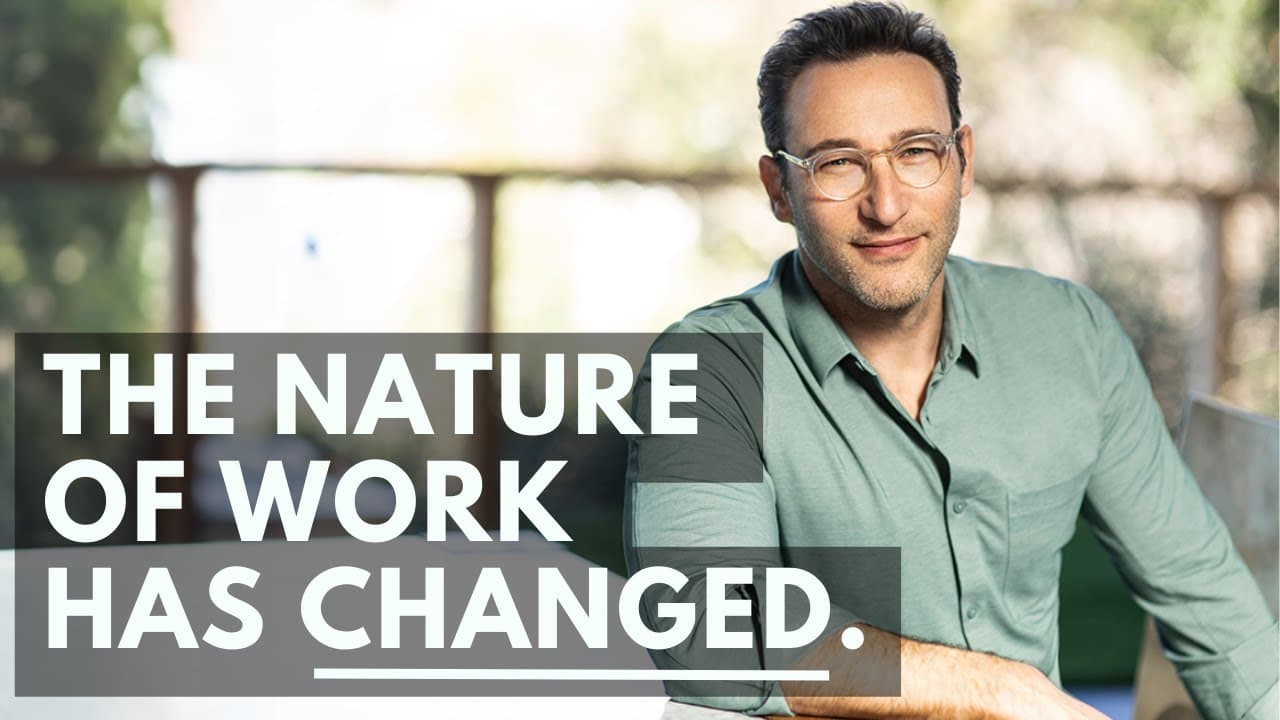
Effective leadership during prolonged uncertainty starts with admitting when you are struggling, asking for help, and making it safe for others to do the same. Leaders also need a clear purpose, proactive personal check-ins, and teachable human skills such as listening, empathy, confrontation, and feedback to keep teams focused and build trust.
Transcript
so I've got a few questions that came in that are around the theme of what it means to lead now by the way I should have told everybody that Simon did not want to see these questions in advance so this is this is real time so Bunch on what it means to lead right now and into the future so but the first one someone wanted to ask is you're a leadersh... Read More
Key Insights
- Emotional compartmentalization is only sustainable for a short period because people do not escape the effects of prolonged trauma. Sinek learned that remaining mission-focused during COVID could temporarily suppress difficult emotions, but it could not eliminate the eventual need to recognize and address them.
- Disrupted sleep, repeated unproductive days, and social withdrawal can indicate that someone is struggling emotionally. Sinek recognized all three patterns in himself several months into COVID, including going to bed late, resisting mornings, rationalizing low productivity, and avoiding contact or requests for help.
- Seeking help is a practical response to emotional difficulty, not merely an expression of vulnerability. Sinek forced himself back into a sleep routine, warned his team that he was less reliable, contacted other people, described his feelings honestly, and explicitly asked them for support.
- Leadership vulnerability creates psychological permission for other people to speak honestly. When leaders pretend to remain confident, optimistic, and fully in control, struggling employees may blame themselves. A leader who admits being off their game makes it easier for team members to request help.
- A clear vision provides direction that performance goals alone cannot supply. Financial targets resemble monitoring speed and daily mileage without identifying a destination. Purpose and a just cause help leaders judge opportunities according to whether they advance the organization toward its intended future.
- Mission creep occurs when attractive opportunities gradually pull an organization away from its purpose. Even opportunities that offer short-term financial value can consume resources and weaken focus. Discipline means completing necessary work while resisting shiny distractions that do not support the chosen direction.
- Empathy is a core leadership practice expressed through proactive personal contact. An open-door policy assumes that employees possess the courage to initiate a conversation. Calling people directly and asking how they are doing reduces that burden and shows genuine concern for those in a leader's care.
- Human skills are teachable capabilities that complement the technical skills required for work. Listening, empathy, effective confrontation, and giving and receiving feedback help technically capable people become stronger leaders. Organizations should model these behaviors and deliberately teach leaders to pass them through their teams.
Install to Summarize YouTube Videos and Get Transcripts
Explore YouTube Video Summarizer or Get YouTube Transcript Extractor
Questions & Answers
Q: How should leaders respond when they are struggling emotionally?
Leaders should acknowledge the difficulty, reestablish basic routines, tell trusted colleagues what is happening, and ask directly for support. Sinek followed advice to restore his sleep pattern, warn his team that he might be less reliable, and force himself to contact people. Honest disclosure also serves the team by showing that asking for help is acceptable.
Q: Why should leaders admit when they are off their game?
Leaders who admit that they are struggling make it safer for employees to discuss their own difficulties. If a team sees only constant confidence, strength, and optimism during an extreme period, struggling individuals may assume that the problem lies entirely with them. Honest vulnerability demonstrates that difficulty is human and that requesting assistance is a responsible action.
Q: What signs showed Simon Sinek that he was struggling during COVID?
Sinek noticed that his sleep schedule had deteriorated, he was going to bed late, and he did not want to get up in the morning. He also experienced consecutive unproductive days that he initially rationalized as deserved rest. Finally, he became antisocial, avoided conversations, and did not want to ask anyone for help.
Q: How can leaders stay focused on what matters most?
Leaders can maintain focus by repeatedly connecting decisions to a clear vision, purpose, or just cause. Goals and financial targets show whether an organization is moving at a desired pace, but they do not define its destination. A stated purpose helps teams reject tempting opportunities that generate short-term value while pulling resources away from the intended path.
Q: What is mission creep in organizational leadership?
Mission creep is the gradual loss of organizational focus caused by pursuing opportunities that do not support the central purpose. An opportunity may appear lucrative in the short term, yet still lead the team away from its chosen direction and consume resources over time. Preventing mission creep requires disciplined decisions based on the organization's vision and just cause.
Q: Why is an open-door policy insufficient for supporting employees?
An open-door policy places responsibility on employees to recognize their need, approach the leader, and possess enough courage to begin a difficult conversation. Sinek recommends that leaders check in proactively, including by telephone, and simply ask how someone is doing. Direct outreach demonstrates empathy and reaches people who might never initiate a request for support.
Q: What human skills should organizations teach leaders?
Organizations should teach listening, empathy, effective confrontation, and the ability to give and receive feedback. Sinek calls these human skills rather than soft skills because they are essential to working with people and can be developed. When leaders combine these abilities with the technical skills required for their jobs, they become better equipped to support teams.
Q: How does empathy help build trust with small businesses?
Empathy builds trust when a representative contacts a stressed small-business leader to ask how they are doing, listens carefully, and avoids immediately selling or proposing a solution. Treating someone as a human being during a difficult period creates a stronger relationship. When a genuine need later arises, that person is more likely to trust the organization that listened.
Summary & Key Takeaways
-
Sinek describes how the loss of live events and workshops forced his business to reorganize during COVID. After months of uncertainty, disrupted sleep, unproductive days, and social withdrawal helped him recognize that he was struggling. Restoring routines, telling colleagues, and actively seeking support helped him recover more healthily.
-
Leadership requires honest vulnerability rather than a constant performance of strength and control. When struggling employees see an endlessly confident leader, they may conclude that something is wrong with them. Leaders who acknowledge difficulties and request help give others permission to communicate openly and seek assistance when they need it.
-
Organizations stay focused by connecting goals to a clear vision, purpose, or just cause. Financial targets measure progress but do not identify the destination. Leaders must resist lucrative distractions that create mission creep while developing empathy, listening, effective confrontation, and feedback skills throughout every level of leadership.
Read in Other Languages (beta)
Share This Summary 📚
Summarize YouTube Videos and Get Video Transcripts with 1-Click
Try YouTube Summary with ChatGPT & Claude or YouTube Transcript Generator
Explore More Summaries from Simon Sinek 📚



Summarize YouTube Videos and Get Video Transcripts with 1-Click
Try YouTube Summary with ChatGPT & Claude or YouTube Transcript Generator