How to Stop Procrastinating and Choose Action Now
TL;DR
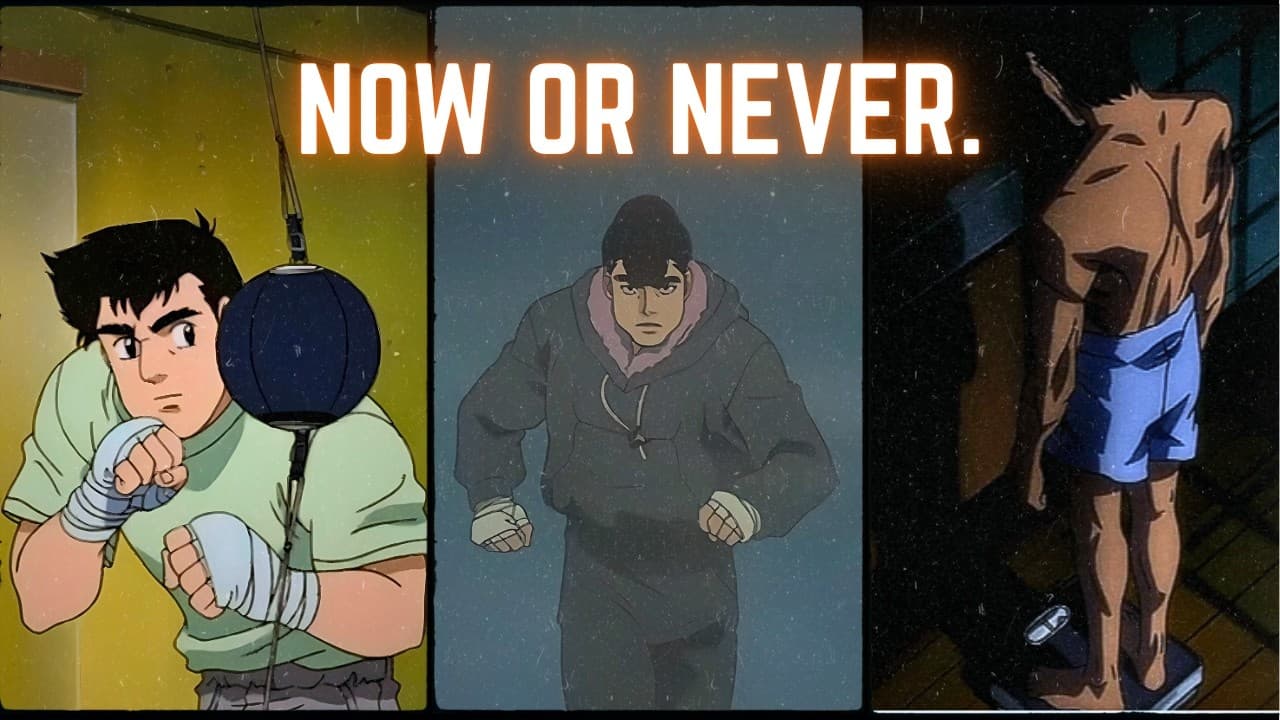
Start now, even if you feel scared, tired, or unprepared, because waiting for motivation or perfect circumstances keeps goals unrealized. Replace excuses with immediate action, especially during the first hours of the morning, and accept the smaller discomfort of discipline instead of allowing years of delay to become lasting regret.
Transcript
You've got a choice to make right now. Now or never. That's it. Those are your only two options. And I know you've been sitting there thinking you've got time. I know you've been telling yourself that tomorrow is the day. That next week is when it all begins. That next month is when you finally get serious. But here's the thing you don't want to he... Read More
Key Insights
- Waiting is an active choice that preserves the current situation. Saying that change will begin tomorrow, Monday, next month, or next year allows present comfort to take priority while goals involving health, business, education, work, or personal growth remain unrealized.
- Readiness is not a requirement for taking action. The message argues that successful people begin while they are scared, tired, uncertain, unsupported, or facing difficult odds, rather than waiting for motivation, permission, ideal circumstances, or complete confidence.
- Time is a limited resource that cannot be recovered. Hours spent scrolling, weekends spent doing nothing, and months spent making excuses become permanent losses, leaving less time for meaningful work and allowing regret to accumulate as the years pass.
- Fear of failure is weighed against the fear of never trying. Embarrassment, criticism, and the possibility that hard work may not be enough are painful, but reaching old age with unused ability and unrealized dreams is presented as the greater danger.
- Discipline creates smaller discomfort than long-term regret. Getting up early, doing difficult work, facing fear, and tolerating temporary discomfort are portrayed as lighter burdens than remaining stuck or watching others achieve the life one wanted.
- Personal change requires individual responsibility. Nobody else can provide lasting motivation, remove every obstacle, deliver success, or complete the necessary work, so unused gifts and abilities matter only when their owner chooses to act on them.
- Comfort and growth require conflicting choices. The transcript presents excuses, laziness, and convenience as incompatible with results, because becoming a different person demands sacrifice, uncomfortable tasks, and repeated action when the work feels difficult or inconvenient.
- Morning behavior establishes the direction of the day. Hitting snooze, scrolling on a phone, and wasting the first hours reinforce delay, while waking up, confronting fear, taking action, and completing a hard task create a daily practice of choosing progress.
Install to Summarize YouTube Videos and Get Transcripts
Explore YouTube Video Summarizer or Get YouTube Transcript Extractor
Questions & Answers
Q: How can I stop procrastinating and start working now?
Stop treating tomorrow, Monday, next month, or the new year as the moment when action will become easier. Choose one necessary action and begin it now, even if you feel scared, tired, or unprepared. The message emphasizes that motivation and ideal circumstances may never arrive, while every delay reinforces comfort and leaves the desired goal untouched.
Q: Why is waiting for motivation ineffective?
Waiting for motivation is ineffective because the expected moment of sudden readiness may never come. The transcript argues that people who make progress act when they are scared, broke, tired, unsupported, or uncertain. Action therefore comes before feeling completely ready, and repeated work matters more than hoping a future burst of energy will create a different person.
Q: How do morning habits affect personal change?
Morning habits set the tone for the choices that follow throughout the day. Hitting snooze, scrolling on a phone for an hour, and wasting the first few hours begin the day with avoidance. Waking up and doing the hard task instead creates an immediate pattern of action, responsibility, and willingness to face discomfort rather than postpone it.
Q: What is more painful, discipline or regret?
Discipline is described as a smaller pain than regret. Getting up early, doing the work, facing fear, and accepting temporary discomfort can feel difficult, but remaining unchanged for years creates a heavier burden. The choice is not between pain and no pain. It is between manageable discomfort now and the possibility of lasting regret later.
Q: Why should I act even when I am afraid of failure?
Fear of failure, embarrassment, criticism, or insufficient results is real, but never trying creates a different risk. The transcript presents reaching 70 years old, looking back on unused ability, and recognizing that fear prevented action as more frightening than an unsuccessful attempt. Acting while afraid gives the goal a chance that continued delay cannot provide.
Q: How does procrastination create long-term regret?
Procrastination turns recoverable opportunities into lost time. An evening spent scrolling, a wasted weekend, or a month of excuses cannot be reclaimed. When this pattern continues, a person may remain in the same unwanted job, health condition, financial situation, or emotional state for 10 years, while also carrying the knowledge that an earlier start was possible.
Q: What does taking responsibility for your goals mean?
Taking responsibility means accepting that nobody else will supply motivation, make success easy, push consistently, or complete the work on your behalf. Other people cannot activate unused abilities for you. Progress depends on choosing action, making sacrifices, facing fears, and performing necessary tasks repeatedly, including on days when comfort and excuses feel more attractive.
Q: How can I choose growth over comfort?
Choose growth by doing the necessary task when it feels hard, inconvenient, frightening, or uncomfortable. Stop waiting for permission, better circumstances, outside belief, or a perfect sign. The transcript treats comfort and growth as conflicting options: keeping excuses protects the current situation, while accepting sacrifice and disciplined work opens the path toward health, skills, education, business, and personal change.
Summary & Key Takeaways
-
Waiting for tomorrow, Monday, next month, or the new year is presented as a repeated choice against change. Motivation and readiness may never arrive on their own, so progress begins when a person takes action despite fear, uncertainty, previous failures, and circumstances that remain less than perfect today.
-
Time is limited, and hours spent scrolling, delaying, or making excuses cannot be recovered. The message contrasts two possible futures: remaining in the same unwanted situation with more regret, or building better health, skills, education, work, and personal character by beginning the necessary effort right now.
-
Change requires accepting discomfort, sacrifice, responsibility, and work that nobody else can perform on your behalf. Morning choices are especially important because they set the tone for the day. Getting up, avoiding the snooze button and phone scrolling, and doing the hard task turns intention into consistent action.
Read in Other Languages (beta)
Share This Summary 📚
Summarize YouTube Videos and Get Video Transcripts with 1-Click
Try YouTube Summary with ChatGPT & Claude or YouTube Transcript Generator
Explore More Summaries from The Growth Paradox 📚



Summarize YouTube Videos and Get Video Transcripts with 1-Click
Try YouTube Summary with ChatGPT & Claude or YouTube Transcript Generator