How to Replace Excuses With Daily Discipline
TL;DR
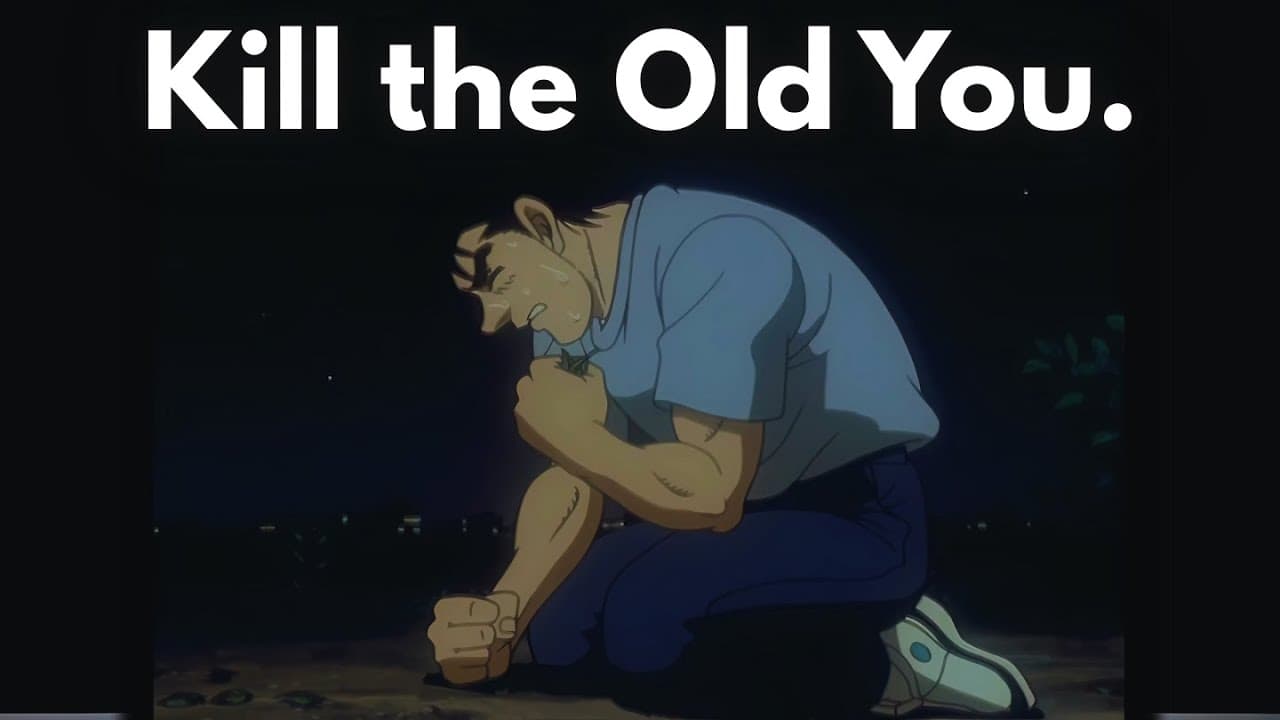
Lasting change comes from replacing excuses, delay, and comfort with disciplined action repeated every day. Choose the person you intend to become, keep promises to yourself, and act even when motivation, praise, or ideal conditions are absent. The old identity loses power gradually as higher standards, consistent effort, and purposeful choices become your normal way of living.
Transcript
You know who I'm talking about. The one who keeps hitting snooze. The one who settles. The one who talks big, dreams big, but never moves. That version of you, it's got to die. Not tomorrow, not next year, now. You don't need another quote. You don't need a sign. You already know. You already feel it in the quiet when no one's watching. You feel th... Read More
Key Insights
- Personal transformation is an identity change expressed through action. The unwanted self is characterized by excuses, hesitation, broken promises, approval seeking, and comfort, while the desired self is defined by discipline, clarity, grit, purposeful effort, and consistent follow-through.
- Waiting for perfect conditions is a form of delay. Readiness is never guaranteed, and the imagined future called someday keeps goals distant. Progress begins when a person acts now, stops postponing work until Monday or another month, and accepts imperfect movement.
- Comfort is presented as a threat to unrealized potential. It reassures people that their current behavior is acceptable while weak habits continue. Meaningful growth instead requires difficult choices, sacrifice, rejection, loneliness, study, practice, and choosing purpose over immediate pleasure.
- Discipline is the mechanism that gradually weakens old habits. Transformation does not happen through one dramatic moment, but through silent repetition, stronger standards, and daily choices. Consistent work starves the former identity while building character that remains steady when life becomes difficult.
- Every choice is a vote for an identity. Starting instead of scrolling, working instead of waiting, and following through instead of merely trying declare what kind of person is being built. There is no neutral position because repeated actions strengthen either progress or regression.
- Failure is described as part of becoming capable. Avoiding pain and protecting weakness prevents meaningful change, while repetitions, rejections, setbacks, and hard decisions build the desired identity. Pain becomes evidence of struggle and possible growth rather than an automatic reason to quit.
- Changing external conditions cannot repair a weak mindset by itself. A different job, city, or relationship will not solve patterns that infect every environment. The deeper task is to build character privately, especially when praise is absent, progress is slow, and nobody is watching.
- Maintaining change is a continuing daily responsibility. The old voice does not disappear completely, but waits for discipline to weaken. Missed commitments can begin a spiral, so the response to laziness, doubt, and temptation must repeatedly be renewed action, work, and forward movement.
Install to Summarize YouTube Videos and Get Transcripts
Explore YouTube Video Summarizer or Get YouTube Transcript Extractor
Questions & Answers
Q: How can I replace excuses with disciplined action?
Replace excuses by acting at the moment you notice delay, doubt, or a search for perfect conditions. Stop treating tiredness, busyness, Monday, or someday as permission to postpone your commitments. Define the person you intend to become, then support that identity through repeated work, difficult choices, and follow-through. Each completed commitment weakens the excuse-making pattern and strengthens a more disciplined standard.
Q: Why does waiting for the perfect moment prevent growth?
Waiting for the perfect moment prevents growth because the ideal combination of readiness, confidence, and favorable conditions may never appear. The transcript treats statements such as “I’m not ready” and “I’ll start Monday” as habits of the old identity. Progress begins when action occurs despite uncertainty. Moving before conditions feel perfect builds experience, effort, and character, while continued waiting produces more delay and missed opportunities.
Q: How is a new identity built through daily habits?
A new identity is built through discipline, repetition, and choices that match the person you want to become. Studying when others party, practicing instead of posting, starting instead of scrolling, and keeping promises to yourself provide repeated evidence of change. The process happens quietly and gradually, especially when nobody is watching. Higher standards starve the old habits and make consistent action part of your character.
Q: Why is comfort portrayed as an obstacle to success?
Comfort is portrayed as an obstacle because it encourages acceptance of habits that do not produce the desired life. It whispers that everything is fine while potential remains unused and effort stays optional. Growth requires choosing difficult work, sacrifice, failure, and discomfort over safety or approval. A person must want the goal more than ease, because protecting every weakness prevents the demanding actions that build capability.
Q: What role does failure play in personal transformation?
Failure is presented as the price of pursuing meaningful change rather than proof that a person should stop. Every rejection, unsuccessful attempt, hard choice, and return after falling can strengthen the new identity. The old self avoids pain and taps out, while the new self treats struggle as part of growth. Becoming capable therefore requires accepting failure, rising again, and continuing to execute without waiting for certainty.
Q: Why should character change come before changing circumstances?
Character change should come before changing circumstances because a weak mindset can carry the same problems into a different job, city, or relationship. New surroundings alone do not remove excuses, broken promises, fear, or comfort-seeking behavior. The transcript argues that stronger character is built privately through disciplined action when praise is absent and results are slow. Internal standards then influence behavior across every environment.
Q: How can someone prevent old habits from returning?
Old habits are prevented from returning through daily vigilance, discipline, grit, and renewed follow-through. The lazy or doubtful voice does not disappear all at once. It waits for a person to relax and can rebuild through missed commitments that become a spiral. When the pull toward former habits appears, the prescribed response is action, work, and remembering why the transformation began, rather than negotiation or delay.
Q: What is the six-month transformation challenge?
The challenge is to spend the next six months defeating the old identity every day without announcements, updates, or inspirational quotes. The focus is private work, disciplined habits, and a direct contest between former patterns and the person being built. Rather than seeking applause or validation, the individual goes quiet, follows through consistently, and eventually lets visible changes in habits, posture, hunger, and results provide the answer.
Summary & Key Takeaways
-
Personal transformation requires abandoning the identity built around excuses, hesitation, approval, and comfort. Waiting for readiness or perfect conditions only preserves old patterns. The decisive shift begins when a person stops treating goals as decorations, accepts the cost of failure and discomfort, and proves commitment through immediate, purposeful action.
-
The new identity is built quietly through discipline, repetition, and follow-through. Early mornings, difficult choices, focused study, practice, rejection, and slow results all contribute to stronger character. Every choice supports either the former pattern or the desired self, so consistency matters more than declarations, inspiration, praise, or claims about potential.
-
Transformation must become a permanent standard rather than a temporary phase. Old habits can return whenever discipline weakens, so the internal struggle continues daily. The proposed six-month challenge is to stop announcing intentions, build privately, answer temptation with action, and let improved habits, posture, hunger, and results reveal what changed.
Read in Other Languages (beta)
Share This Summary 📚
Summarize YouTube Videos and Get Video Transcripts with 1-Click
Try YouTube Summary with ChatGPT & Claude or YouTube Transcript Generator
Explore More Summaries from The Growth Paradox 📚




Summarize YouTube Videos and Get Video Transcripts with 1-Click
Try YouTube Summary with ChatGPT & Claude or YouTube Transcript Generator