How to Achieve Happiness by Stopping the Chase
TL;DR
To achieve happiness, stop actively trying to attain it and instead accept the present moment as it is. The paradox of the backwards law indicates that the more we pursue happiness or external achievements, the more discontent we may feel. Embracing imperfection and letting go of desires can lead to true contentment.
Transcript
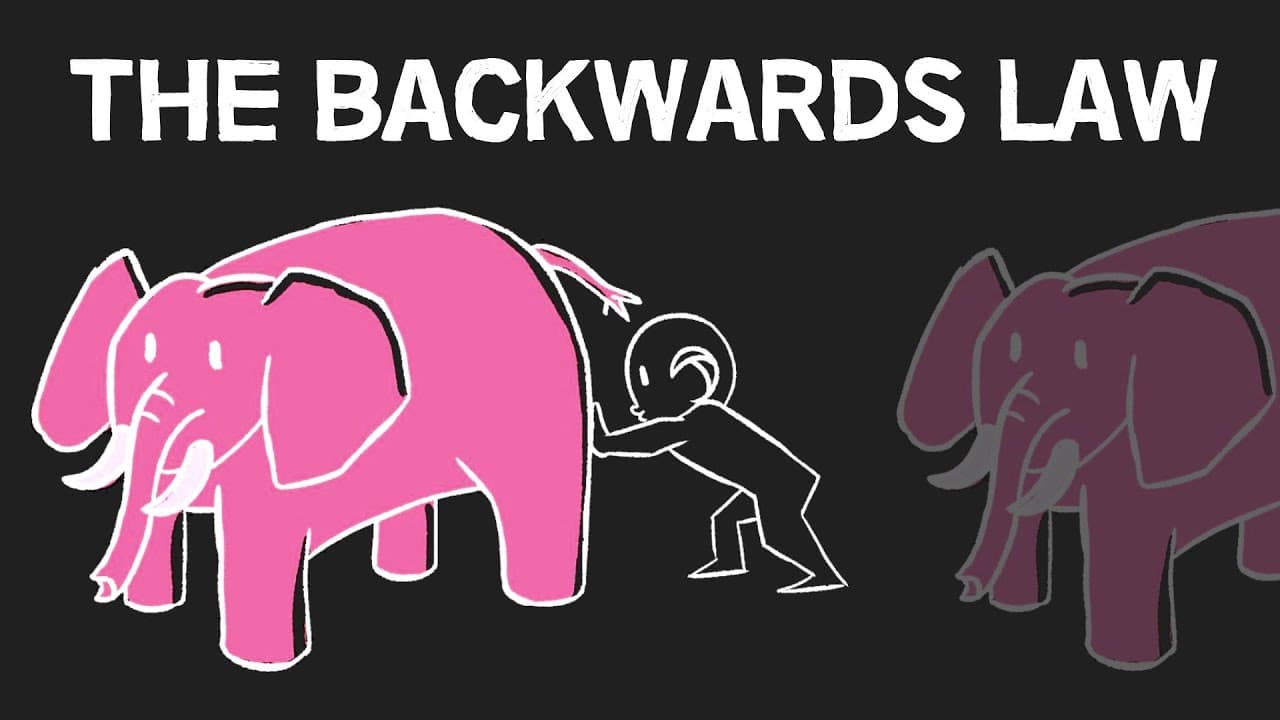
What if we’d try not to think of a pink elephant. This probably won’t work. Because as soon as the pink elephant appears in our minds, it’s impossible to get rid of it by consciously not thinking about it. And the more we try to get rid of it, the more it persists. The elephant simile is commonly used to show how difficult it is to get rid of intru... Read More
Key Insights
- 🚲 Trying harder to remove dissatisfaction only strengthens it, creating a paradoxical cycle.
- 🚄 Setting high goals and striving for external achievements can lead to a deep sense of inadequacy and unhappiness.
- 🉑 Accepting imperfection and negative experiences can paradoxically bring contentment.
- 🎯 The will-to-live drives us to continually seek more, but it never satisfies because it is the very thing that keeps us from getting what we want.
- 🉑 The backwards law teaches us to stop trying to obtain happiness and accept the present moment to find contentment.
Install to Summarize YouTube Videos and Get Transcripts
Explore YouTube Video Summarizer or Get YouTube Transcript Extractor
Questions & Answers
Q: Why is it difficult to get rid of intrusive thoughts by force?
Intrusive thoughts, like the pink elephant, persist when we try to forcefully remove them because focusing on not thinking about something only reinforces its presence in our minds.
Q: How does the backwards law relate to dissatisfaction in life?
The backwards law suggests that the more we pursue happiness and try to rid ourselves of dissatisfaction, the more dissatisfied we become. It is the paradoxical nature of willpower.
Q: Can we obtain happiness by not trying to get it?
Yes, the paradoxical solution is to stop trying to remove dissatisfaction and let it dissipate on its own. By accepting the present moment, we can find contentment.
Q: What is the human tendency when it comes to pursuing goals?
Humans tend to set high goals and remain dissatisfied with the present moment, creating a deep and persisting sense of inadequacy. The pursuit of more reinforces the feeling of lacking.
Key Insights:
- Trying harder to remove dissatisfaction only strengthens it, creating a paradoxical cycle.
- Setting high goals and striving for external achievements can lead to a deep sense of inadequacy and unhappiness.
- Accepting imperfection and negative experiences can paradoxically bring contentment.
- The will-to-live drives us to continually seek more, but it never satisfies because it is the very thing that keeps us from getting what we want.
- The backwards law teaches us to stop trying to obtain happiness and accept the present moment to find contentment.
- The pursuit of happiness does not lead to happiness; true contentment comes from not wanting.
Summary & Key Takeaways
-
Trying to forcefully remove dissatisfaction only strengthens it, creating a paradoxical cycle.
-
The more we chase external circumstances or achievements, the further we are from true contentment.
-
German philosopher Arthur Schopenhauer suggests that the only way to be truly content is to stop striving and negate the will.
Read in Other Languages (beta)
Share This Summary 📚
Summarize YouTube Videos and Get Video Transcripts with 1-Click
Try YouTube Summary with ChatGPT & Claude or YouTube Transcript Generator
Explore More Summaries from Einzelgänger 📚






Summarize YouTube Videos and Get Video Transcripts with 1-Click
Try YouTube Summary with ChatGPT & Claude or YouTube Transcript Generator