What Challenges Do Humans Face in Space Migration?
TL;DR
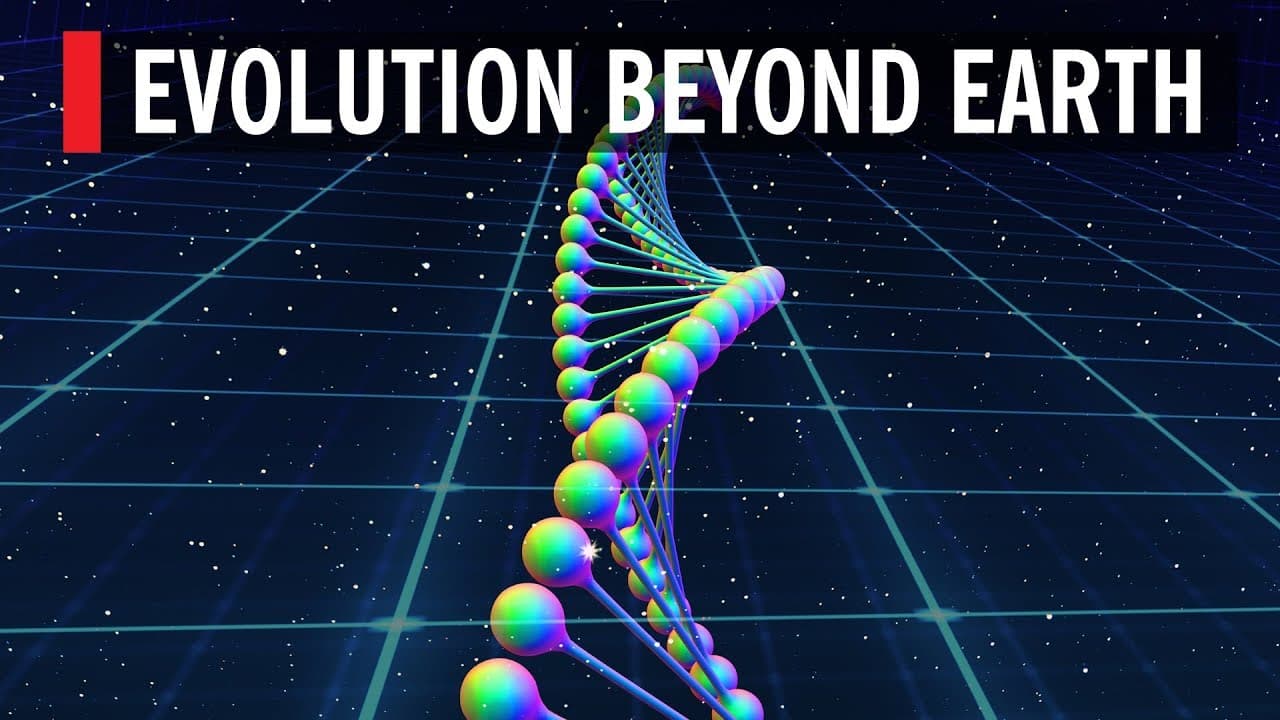
Human migration has evolved from the out-of-Africa diaspora to potential colonization of other planets. The challenges of adapting to space environments may require technological advancements and possible biological modifications. Researchers are investigating how genetics and space conditions affect human health and adaptability.
Transcript
Somewhere around seventy five thousand years ago - don't worry, I'm not going to go too long on this - but around seventy five thousand years ago, human beings who were anatomically and behaviorally the same as us modern human beings -- a few of them decided to trek on out of Africa and begin a forty thousand year project or so of populating virtua... Read More
Key Insights
- 🌍 Human migration has evolved from the initial out-of-Africa diaspora to the current exploration and potential colonization of other planets.
- 😌 The ability to migrate and adapt to new environments in space relies on technology, science, and potential modifications to our biology.
- 👨🚀 Scientists and researchers are studying genetics and space genetics to understand the effects of space travel and ensure the safety and well-being of astronauts.
Install to Summarize YouTube Videos and Get Transcripts
Explore YouTube Video Summarizer or Get YouTube Transcript Extractor
Questions & Answers
Q: Will humans be able to colonize other planets without changing their biology?
It is uncertain whether humans can adapt to environments beyond Earth without modifying their biology, as space poses unique challenges that may require biological changes for survival.
Q: What are the key differences between the first migration out of Africa and the current migration to space?
The first migration out of Africa involved adapting to new environments on Earth, while the current migration to space involves adapting to an environment that has never influenced our evolution. Additionally, the current migration relies heavily on technology and science.
Q: What are the potential benefits of humans migrating to space?
There are potential benefits, such as having a backup plan in case of disasters on Earth and expanding our scientific knowledge by exploring the universe firsthand. Additionally, humans on other planets may alter their conception of what it means to be human and appreciate the origins of Earth more.
Q: How can genetics and space genetics play a role in human migration and colonization?
Genetics can help identify individuals' predispositions and responses to different environments, allowing for personalized medicine and informed decisions on who is fit to go to space. Space genetics can also study the effects of space travel on genes and develop ways to protect astronauts from radiation and other hazards.
Summary & Key Takeaways
-
Around 75,000 years ago, humans began their migration out of Africa, eventually populating the entire world.
-
The current migration to space poses new challenges as it involves a migration to an environment that has never shaped human evolution.
-
The ability to migrate and adapt to new environments in space relies on technology and science, but there may be a need to modify our biology as well.
Read in Other Languages (beta)
Share This Summary 📚
Summarize YouTube Videos and Get Video Transcripts with 1-Click
Try YouTube Summary with ChatGPT & Claude or YouTube Transcript Generator
Explore More Summaries from World Science Festival 📚


Summarize YouTube Videos and Get Video Transcripts with 1-Click
Try YouTube Summary with ChatGPT & Claude or YouTube Transcript Generator