FOMC Press Conference, March 16, 2022

TL;DR
The FOMC raised its policy interest rate by ¼ percentage point on March 16, 2022, and anticipated ongoing increases to address high inflation while supporting maximum employment. Chair Powell also said balance sheet reduction should begin at a coming meeting and described the labor market as extremely tight. Read on for the Fed’s projections for inflation, growth, unemployment, and interest rates.
Transcript
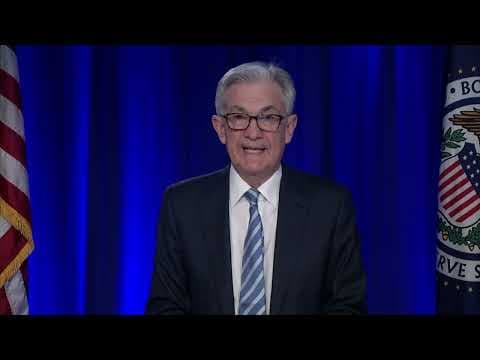
Transcript of Chair Powell's Press Conference March 16, 2022 CHAIR POWELL. Good afternoon. I want to begin by acknowledging the tremendous hardship the Ukrainian people are suffering as a result of Russia's invasion. The human toll is tragic. The financial and economic implications for the global economy and the U.S. economy are highly uncertain. A... Read More
Key Insights
- 🥅 The Fed is committed to achieving its monetary policy goals of maximum employment and price stability.
- ✋ The economy is strong, with robust economic activity and a tight labor market, but there are concerns about high inflation and supply chain disruptions.
- 🤨 The Fed plans to raise interest rates gradually and reduce its balance sheet size to align with its goals and restore price stability.
- 🌐 The impact of Russia's invasion of Ukraine on the global economy is a significant downside risk that the Fed is monitoring.
Install to Summarize YouTube Videos and Get Transcripts
Explore YouTube Video Summarizer or Get YouTube Transcript Extractor
Questions & Answers
Q: What did the FOMC announce at its March 16, 2022 press conference?
The FOMC raised the target range for the federal funds rate by ¼ percentage point. It anticipated ongoing rate increases would be appropriate and expected to begin reducing the Federal Reserve’s balance sheet at a coming meeting.
Q: How did the Federal Reserve plan to address high inflation?
The Fed planned to firm monetary policy through ongoing increases in the federal funds rate and a reduction in its balance sheet. It expected inflation to return to its 2 percent goal while the labor market remained strong, although Powell said the return would take longer than previously expected.
Q: What were the FOMC’s inflation projections?
The median inflation projection was 4.3 percent for 2022, falling to 2.7 percent in 2023 and 2.3 percent in 2024. Powell said this path was notably higher than projected in December and that participants viewed the risks as weighted to the upside.
Q: How did Chair Powell describe the labor market?
Powell described the labor market as extremely tight, with employment rising by more than a million jobs during the first two months of 2022. February unemployment reached a post-pandemic low of 3.8 percent, while subdued labor supply made openings difficult to fill and wages rose at their fastest pace in many years.
Q: What unemployment rate did FOMC participants project?
The median projection showed unemployment declining to 3.5 percent by the end of 2022. Participants expected it to remain near that level thereafter.
Q: What were the FOMC’s economic growth projections?
The median projection for real GDP growth was 2.8 percent in 2022, 2.2 percent in 2023, and 2 percent in 2024. Participants continued to foresee solid growth despite downside risks from Russia’s invasion of Ukraine and related events.
Q: How could Russia’s invasion of Ukraine affect the U.S. economy?
Powell said the financial and economic implications were highly uncertain. Higher global oil and commodity prices could increase near-term U.S. inflation, while weaker activity abroad and further supply-chain disruptions could spill over through trade and other channels.
Q: What did the Fed project for the federal funds rate?
The median projection for the appropriate federal funds rate was 1.9 percent at the end of 2022, a full percentage point above the December projection. The median projection for the following two years was 2.8 percent, though Powell stressed that these projections were not a Committee decision or plan.
Summary & Key Takeaways
-
The Federal Reserve raises its policy interest rate by 0.25% to support its goals of maximum employment and price stability.
-
The economy is strong, but there are concerns about high inflation due to supply disruptions and rising energy prices.
-
The labor market is tight, with strong job growth and rising wages, but there are challenges in filling job openings and increasing labor supply.
Read in Other Languages (beta)
Share This Summary 📚
Summarize YouTube Videos and Get Video Transcripts with 1-Click
Try YouTube Summary with ChatGPT & Claude or YouTube Transcript Generator
Explore More Summaries from Federal Reserve 📚
Summarize YouTube Videos and Get Video Transcripts with 1-Click
Try YouTube Summary with ChatGPT & Claude or YouTube Transcript Generator