How to start meditating for stress relief today
TL;DR
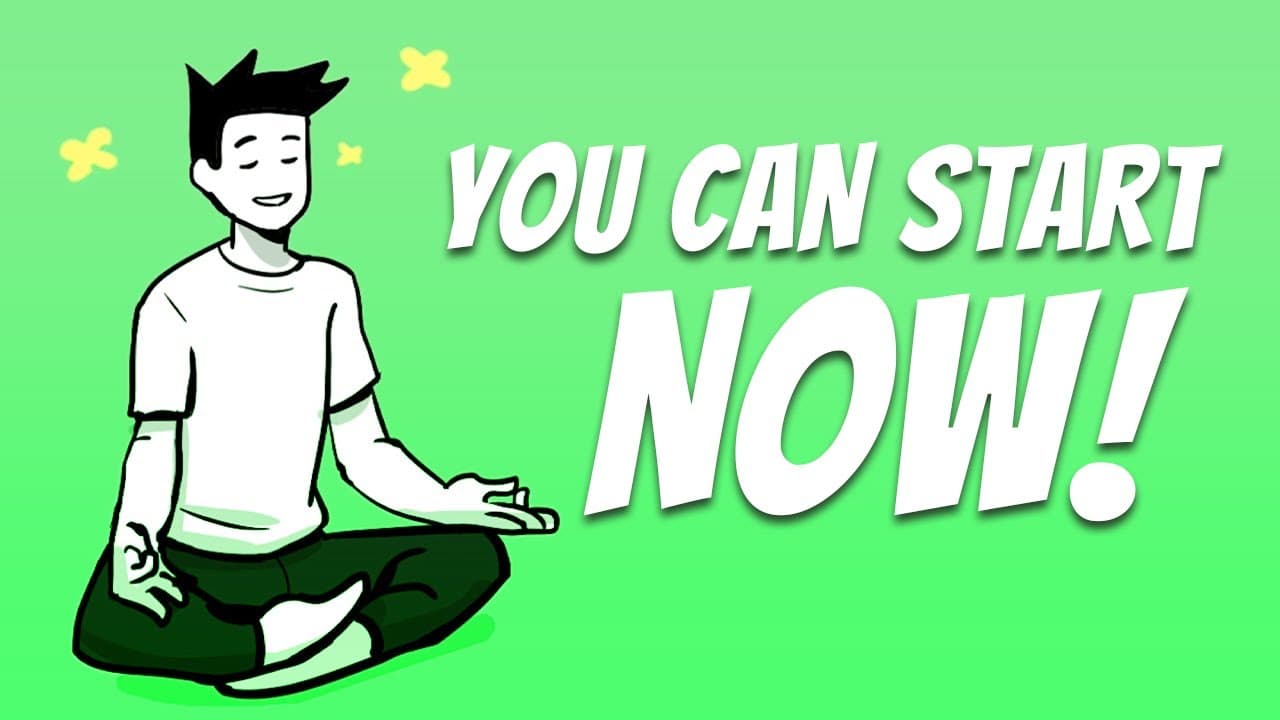
Meditation lowers stress by calming the amygdala and the default mode network, which reduces anxiety and promotes psychological well being. Start with five minutes daily, gradually extend as you feel comfortable, and choose a practice that fits your life, whether breathing, mindfulness, or a gentle activity. Progress comes with patience, not perfection.
Transcript
have you ever thought about meditation you've probably heard that it's beneficial but how exactly today we're diving deep into the world of inner peace once you grasp these facts you'll be eager to give meditation a shot but first why should you meditate meditation is a great practice to help relax your mind and is even beneficial for your mental h... Read More
Key Insights
- Meditation reduces anxiety by calming the amygdala and the default mode network.
- Regular practice can lead to slower heart rate and healthier blood pressure.
- Even five minutes daily can improve heartbeat timing compared to non meditators.
- Mindfulness allows presence without requiring closed eyes or formal sitting.
- Progress in meditation is gradual and can involve emotional reactions that are normal.
- Enjoying the journey and being kind to yourself supports long term consistency.
- There is no single right way to meditate, flexibility helps beginners stay engaged.
- Professional support can be a helpful option if self guided practice feels challenging.
- More videos from this channel:
- More from this channel: Improvement Pill
Install to Summarize YouTube Videos and Get Transcripts
Explore YouTube Video Summarizer or Get YouTube Transcript Extractor
Questions & Answers
Q: What is the first practical step to start meditating today?
Begin with a five minute daily practice, sitting or walking in a comfortable, quiet space. Focus on natural breathing and allow thoughts to pass without judgment. The goal is consistency, not perfection, so start small and gradually increase time as you feel more at ease. This builds a sustainable routine.
Q: How does meditation affect the brain according to the video?
Meditation reduces stress by relaxing two brain regions involved in fear and worry, the amygdala and the default mode network. When these areas are calmer, the mind tends to be more relaxed, less dominated by anxious thoughts, and better able to maintain focus during daily tasks.
Q: What are acceptable forms of meditation besides sitting and breathing?
Mindfulness can be practiced during everyday activities such as walking, observing surroundings, or even a mindful shower. The key is present moment awareness and gentle attention to breathing patterns, which can calm the mind without requiring a specific seated posture.
Q: What should beginners expect when they meditate for the first time?
Beginners should expect a variety of emotions to surface, including anxiety or irritation. Meditation is a skill learned over time, not an instant fix. Embracing discomfort as part of the process helps cultivate self awareness and gradually leads to a calmer mindset.
Q: Why is patience important in meditation?
Patience matters because true meditation unfolds slowly and involves ongoing practice. Rushing toward a peaceful mind can create pressure and disappointment. Practicing regularly allows you to notice gradual shifts in attention, mood, and stress levels, reinforcing long term benefits.
Q: How can you stay motivated to meditate daily?
Set small, realistic goals, like five minutes per day, and track your consistency. Use reminders, pair meditation with a routine activity, and remind yourself of the stress relief and mental clarity you gain. Enjoyment also improves adherence, so choose a method you genuinely find pleasant.
Q: What role does enjoyment play in maintaining a meditation habit?
Enjoyment helps sustain practice because it creates positive associations with the activity. When you find value in the experience, you are more likely to follow through despite daily life challenges. The video encourages embracing the journey and celebrating small wins to stay engaged.
Q: Is professional help recommended if meditation feels difficult to start?
Yes, seeking professional support can be helpful. Therapists or guided programs offer structure, accountability, and strategies tailored to individual needs. This can be particularly useful if stress, anxiety, or other mental health concerns make self guided practice challenging.
Summary & Key Takeaways
-
Meditation helps relax the mind and support mental health, making it useful for stressed or busy lifestyles.
-
Starting small, such as five minutes a day, builds a sustainable habit and reduces barriers to practice.
-
Choosing a method that fits you, like mindful walking or breathing, improves consistency and enjoyment on the journey.
Read in Other Languages (beta)
Share This Summary 📚
Summarize YouTube Videos and Get Video Transcripts with 1-Click
Try YouTube Summary with ChatGPT & Claude or YouTube Transcript Generator
Explore More Summaries from Improvement Pill 📚



Summarize YouTube Videos and Get Video Transcripts with 1-Click
Try YouTube Summary with ChatGPT & Claude or YouTube Transcript Generator