How to Stop Procrastinating With the 6 P's Method
TL;DR
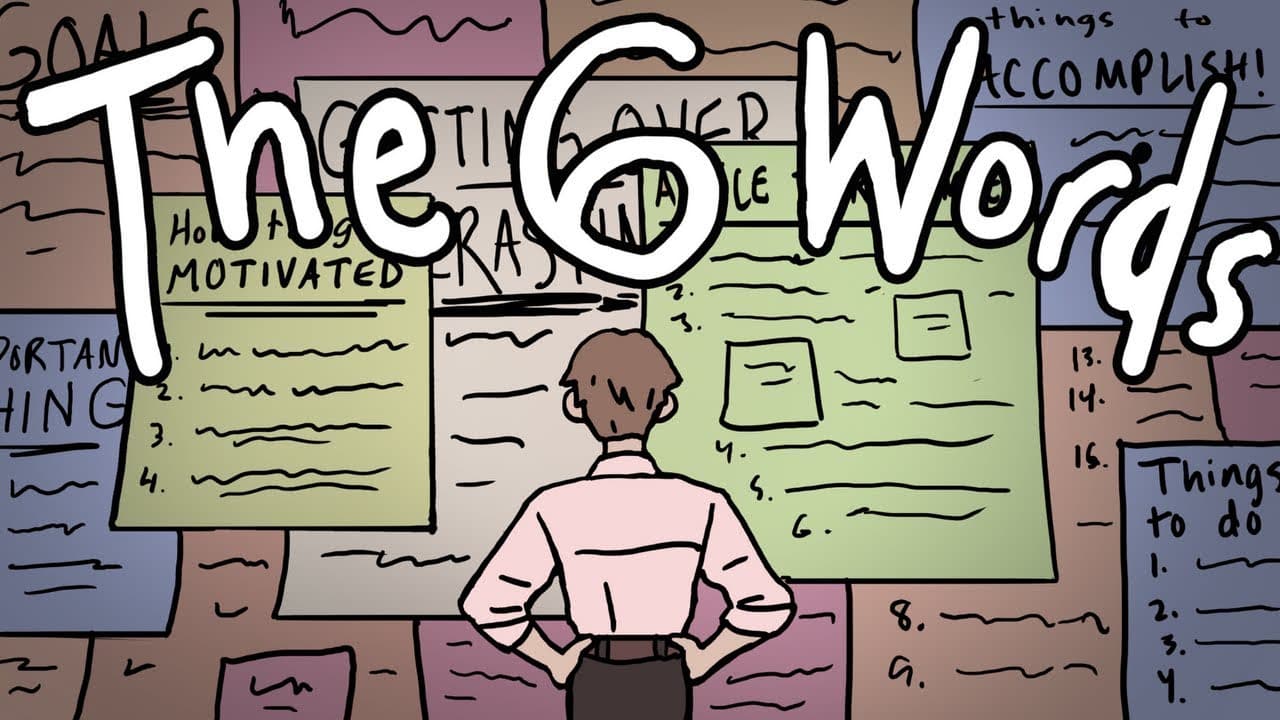
Prior planning prevents piss-poor performance, known as the 6 P's, is a simple rule for beating procrastination. It works through three lessons: physically prepare ahead of time, face your problems by visualizing the consequences of inaction, and plan tomorrow on a small to-do board with chunked tasks.
Transcript
improvement pill here I wanted to make more Q&A videos so I asked you guys about what sort of issues you were facing and one of the most popular suggestions was about procrastination how do we get ourselves to do the things that we know we have to do and I think a great answer to this problem is actually one of the few things that I learned in my s... Read More
Key Insights
- The 6 P's stands for prior planning prevents piss-poor performance, a phrase the speaker learned in college and that is also taught in the military, and it offers three practical lessons for stopping procrastination.
- Physical preparation makes hard tasks easier because the difficult part is the decision to start, not the activity itself, so setting things up the night before removes that decision from the morning.
- Putting on gym clothes and walking out the door takes more willpower and mental energy than the workout, so wearing gym clothes to bed means the decision is already made the night before.
- Facing your problems directly is effective because it creates anxiety and fear, and fear is one of the most motivating factors available for getting work done.
- Avoiding problems makes them worse, as with friends who complain about money but avoid checking their bank account because seeing the balance makes them feel bad.
- Visualizing the worst case scenario of not acting, held for at least 10 minutes, builds anxiety that pushes you to take action right now.
- A brain is like a horse: with no rider giving directions it roams around doing whatever it wants, so a written plan for the next day keeps you from drifting on autopilot.
- A to-do board works best with a maximum of three items, because a small list makes finishing it a habit, and chunking breaks big tasks into small parts such as writing a rough draft that takes about an hour.
Install to Summarize YouTube Videos and Get Transcripts
Explore YouTube Video Summarizer or Get YouTube Transcript Extractor
Questions & Answers
Q: What does the 6 P's stand for?
The 6 P's stands for prior planning prevents piss-poor performance. The speaker learned it in his short college career, and it is also taught in the military. Although it sounds simple and self-explanatory, it contains three lessons: prepare physically, face your problems, and lay out plans for what you want to accomplish.
Q: How can I make it easier to go to the gym in the morning?
Wear your gym clothes to bed. Studies cited in the video found that putting on gym clothes and walking out the door takes more willpower and mental energy than the workout itself, because it forces a decision. Wearing the clothes to bed makes that decision the night before, so the morning takes far less mental energy.
Q: Why do I still procrastinate when I know problems will come later?
The video says this happens because you do not face your problems properly. People avoid looking at what makes them feel bad, like friends who complain about money but avoid checking their bank account. Taking a good look at the problem creates anxiety and fear, and that discomfort is what drives action.
Q: How does Grant Cardone use fear to stay motivated?
According to the video, Grant Cardone keeps as little money as possible in his active bank account so it always looks and feels like he is about to go broke. Each time he checks the balance, he faces his problem and feels anxiety. He then uses that anxiety to motivate himself to work hard and make more money.
Q: How do I visualize the consequences of procrastinating?
Sit down and imagine, with a negative mindset, the worst case scenario if you do not stop procrastinating. For example, if you keep delaying an online business, the market gets more saturated and you stay stuck in a nine-to-five job you hate. Do this properly for at least 10 minutes until you feel anxiety and the need to act now.
Q: Why should a to-do board have only three items?
The speaker puts a maximum of three things on his board, sometimes only one or two, to make completing the board a habit. Too many tasks make it hard to finish every day, and a streak will not last long. Lowering the standard builds the habit, and once it is locked in, not completing the board feels uncomfortable, which you can use to your advantage.
Q: What is chunking and how does it help with big tasks?
Chunking means breaking big tasks into tiny parts. The speaker would not write finish video for next Saturday on his board, since it takes around ten hours of non-stop work and the brain finds it too hard, so it procrastinates. Instead he writes write the rough draft, which takes about an hour, so the brain sees no reason to push it aside.
Q: Why does planning the next day help avoid procrastination?
The video compares the brain to a horse: if no one rides it and gives directions, it roams around doing whatever it wants. When you have no plans for the following day, you tend to bum around on autopilot. Laying out exactly what you want to accomplish gives your brain direction and makes you more likely to get things done.
Summary & Key Takeaways
-
The 6 P's stands for prior planning prevents piss-poor performance. The speaker learned it in college, and it is also taught in the military. It sounds simple, but it holds three lessons that help you stop procrastinating on the things you know you must do.
-
The first lesson is to prepare physically, and the second is to face your problems. Wearing gym clothes to bed removes the morning decision. Visualizing the worst case, such as being stuck in a hated job, creates anxiety and fear that motivate you to act today.
-
The third lesson is to lay out plans. The speaker uses a whiteboard to-do board for the next day with no more than three items, and uses chunking to split big tasks into small ones, such as writing a rough draft instead of finishing a whole video.
Read in Other Languages (beta)
Share This Summary 📚
Summarize YouTube Videos and Get Video Transcripts with 1-Click
Try YouTube Summary with ChatGPT & Claude or YouTube Transcript Generator
Explore More Summaries from Improvement Pill 📚


Summarize YouTube Videos and Get Video Transcripts with 1-Click
Try YouTube Summary with ChatGPT & Claude or YouTube Transcript Generator