How to Speak Confidently as a Leader
TL;DR
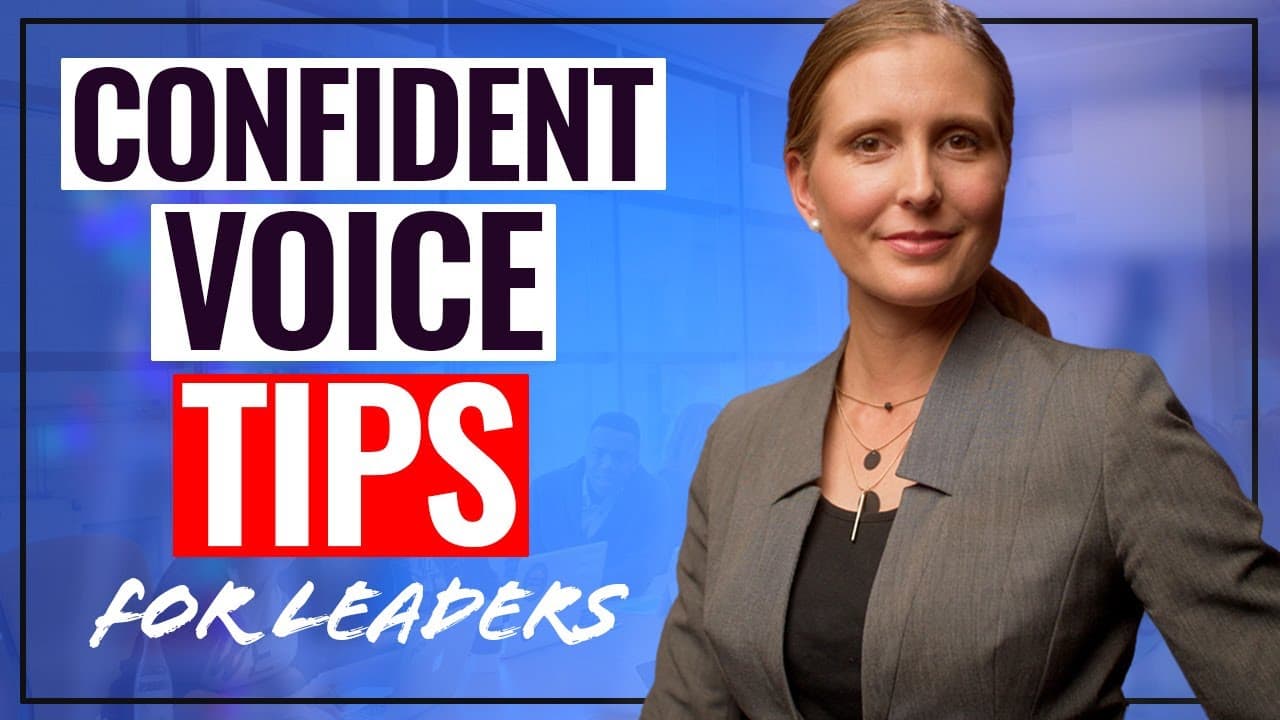
To speak confidently as a leader, focus on using a firm, clear, and confident voice. Slow down your speech, lower your tone slightly, and avoid the upswing in statements. Removing filler words and asking thought-provoking questions can further enhance your leadership communication skills.
Transcript
this video will give you three practical tips on how to improve your speaking skills as a leader so you can speak like a leader at work we have a lot of content to cover in this video so get a notebook out get a pen ready and let's get started number one use a firm clear and confident voice what I'm essentially talking about here is how your voice ... Read More
Key Insights
- A firm, clear, and confident voice is crucial for leadership.
- Slowing down speech conveys control and confidence.
- Lowering voice tone slightly can enhance authority.
- Avoiding the upswing in statements prevents sounding hesitant.
- Removing filler words like 'um' and 'ah' improves clarity.
- Verbal commitment shows confidence and decisiveness.
- Asking open-ended questions positions you as a conversation leader.
- Thought-provoking questions stimulate creativity and problem-solving.
Install to Summarize YouTube Videos and Get Transcripts
Explore YouTube Video Summarizer or Get YouTube Transcript Extractor
Questions & Answers
Q: How to use a confident voice in leadership?
To use a confident voice in leadership, focus on controlling your tone, speed, and intonation. A firm, clear, and confident voice is essential. Slow down your speech to appear more composed, and lower your tone slightly to enhance authority. Avoid the upswing in statements to prevent sounding hesitant.
Q: Why is it important to slow down your speech?
Slowing down your speech is important because it conveys control and confidence. It helps you appear more composed and in command of the situation, which is crucial for leadership. It also aids in ensuring that your listener can understand and follow your message clearly.
Q: What is the upswing and why should it be avoided?
The upswing is the rising intonation at the end of a statement, which can make you sound hesitant or unsure. It should be avoided in leadership communication because it detracts from your message and undermines your authority. Instead, use a downward intonation to convey confidence.
Q: How do filler words affect leadership communication?
Filler words like 'um', 'ah', and 'you know' can make you appear hesitant and unsure, detracting from your message. In leadership communication, clarity and confidence are key. Removing filler words helps convey a more decisive and confident message, enhancing your leadership presence.
Q: What is verbal commitment and why is it important?
Verbal commitment is the practice of speaking with certainty and decisiveness. It is important because it shows confidence in your ideas and decisions, which is crucial for effective leadership. It helps others trust and follow your lead, reinforcing your authority and influence.
Q: How can asking questions improve leadership communication?
Asking thought-provoking, open-ended questions positions you as a conversation leader. It stimulates creativity, problem-solving, and engagement among your team. By directing the conversation with questions, you can guide discussions towards productive outcomes and demonstrate leadership.
Q: Why should leaders avoid using the upswing in statements?
Leaders should avoid using the upswing in statements because it can make them sound uncertain and hesitant. This undermines their authority and the confidence others have in their leadership. A downward intonation conveys certainty and confidence, reinforcing a leader's message.
Q: How can leaders practice speaking with confidence?
Leaders can practice speaking with confidence by focusing on their vocal delivery, including tone, speed, and intonation. They should aim to slow down their speech, lower their tone slightly, and avoid filler words. Practicing verbal commitment and asking engaging questions can also enhance confidence.
Summary & Key Takeaways
-
Using a firm, clear, and confident voice is essential for effective leadership communication. Leaders should focus on controlling their tone, speed, and intonation to convey authority and confidence. Slowing down speech can help in appearing more composed and in control.
-
Lowering the tone of your voice slightly can make you sound more authoritative and confident, but it's important not to overdo it to avoid sounding aggressive or dull. Avoiding the upswing, which is a rising intonation at the end of statements, is also crucial as it can make you sound unsure.
-
Removing filler words and using verbal commitment in your speech can significantly enhance your leadership presence. Asking thought-provoking, open-ended questions allows you to lead conversations and tap into the creativity and problem-solving abilities of your team.
Read in Other Languages (beta)
Share This Summary 📚
Summarize YouTube Videos and Get Video Transcripts with 1-Click
Try YouTube Summary with ChatGPT & Claude or YouTube Transcript Generator
Explore More Summaries from Kara Ronin 📚





Summarize YouTube Videos and Get Video Transcripts with 1-Click
Try YouTube Summary with ChatGPT & Claude or YouTube Transcript Generator