How to develop executive presence for senior leaders
TL;DR
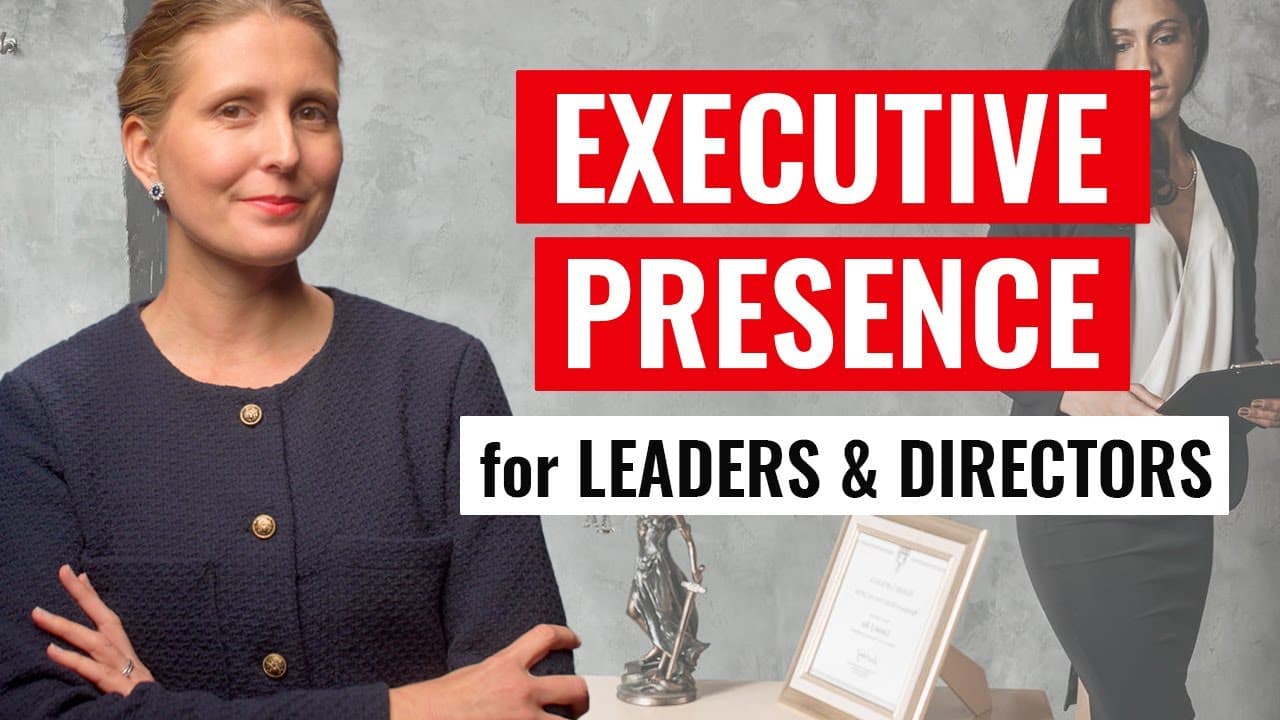
Executive presence is built from how you show up, how you communicate, and how others feel during interactions. Start by analyzing your current presence, then adopt an audience first approach to shape the message and influence. Practice, seek feedback, and commit to ongoing learning to magnify your executive presence over time.
Transcript
if you take a look at successful senior leaders directors and CEOs they often share one common trait executive presence they carry exude and demonstrate through every interaction they have their presence as an executive or as a senior leader it's their presence that makes you notice them it's their presence that contributes to the overall impact th... Read More
Key Insights
- Executive presence is a combination of how you show up, how you communicate, and how you make others feel in interactions.
- Self doubt and imposter syndrome can block executive presence by undermining confidence and influencing nonverbal cues.
- An audience first approach shifts focus from self to how others experience your message and its impact on them.
- Preparation, practice, and feedback are essential for building and sustaining executive presence over time.
- Body language, voice, and outfit all contribute to the aura and perceived impact of a leader in high stake moments.
- Analyzing current presence through video or audio recordings helps identify targeted changes to improve delivery and influence.
- Reading the room and tailoring delivery to the audience helps you create the emotional journey you want them to experience.
- Learning and reflection, including recommended readings like Presence by Amy Cuddy, support ongoing development of executive presence.
Install to Summarize YouTube Videos and Get Transcripts
Explore YouTube Video Summarizer or Get YouTube Transcript Extractor
Questions & Answers
Q: How can senior leaders overcome self doubt to improve executive presence
Self doubt undermines confidence and shows up in body language and communication, making it hard to project executive presence. To overcome this, recognize that presence is a skill developed through practice and feedback rather than a fixed trait. Build confidence by preparing statements in advance, rehearsing delivery, analyzing nonverbal cues, and seeking constructive feedback from trusted colleagues. Over time these steps reduce hesitation and help you show up with clarity, steadiness, and credibility in high stakes situations.
Q: What is executive presence and why does it matter for senior leaders
Executive presence is the combination of how you show up, how you communicate, and how you make others feel in interpersonal interactions. It is what makes you memorable and can influence decisions, especially in high stakes moments. While it does not guarantee success, lacking executive presence can limit career progression and impact, whereas developing it can enhance leadership effectiveness and visibility.
Q: How does an audience first approach differ from a me first approach
An audience first approach focuses on what you want others to think and feel about your message, not about you personally. It guides how you show up, what you say, and how you structure your delivery to create the desired emotional impact. This shift helps reduce self doubt by centering attention on the audience’s experience rather than your own fears or judgments.
Q: What role does preparation play in building executive presence
Preparation is essential because executive presence is learned through practice and habit formation. Develop a plan to write and rehearse what you will say for meetings or high stakes moments, consider your body language and facial expressions, and test your delivery with trusted colleagues. This process builds confidence, reduces anxiety, and magnifies executive presence during real interactions.
Q: How can feedback improve executive presence
Feedback helps you identify which elements of your presence are effective and which need refinement, including voice pace, eye contact, and gesture use. Regular feedback loops from colleagues and mentors turn fleeting impression into consistent leadership signals. Implement changes based on feedback, then reassess to ensure ongoing improvement in how you are perceived by others.
Q: What should leaders analyze to improve how they show up
Leaders should analyze their current body language, voice attributes such as volume and pace, facial expressions, eye contact, and overall movements and outfits. Recording presentations or meetings can reveal areas for adjustment. The goal is to align these elements with the desired executive presence you want to project in diverse, high stakes situations.
Q: Why is an audience first approach helpful in high stake situations
In high stake situations, focusing on the audience helps you maintain clarity under stress and ensures your message lands. By considering the emotional journey you want the audience to experience, you can craft your delivery, pacing, and nonverbal cues to inspire or compel action. This approach reduces self doubt and directs energy toward effective communication.
Q: What books or resources can support developing executive presence
Books like Presence by Amy Cuddy provide frameworks for understanding presence as attunement to thoughts, feelings, values, and potential under pressure. Reading such material, applying its concepts, and integrating practical tips into your routine can accelerate growth. The video also recommends exploring related content and tools to reinforce learning and practical application.
Summary & Key Takeaways
-
Executive presence is defined as the combination of appearance, communication, and the impression you leave in interactions, which makes you memorable as a leader.
-
An obstacle many leaders face is self doubt which can erode confidence, affect body language, and limit how your presence is perceived by others.
-
Developing executive presence involves analyzing how you show up, identifying changes needed in body language and voice, and aligning your demeanor with strategic goals for high stake situations.
Read in Other Languages (beta)
Share This Summary 📚
Summarize YouTube Videos and Get Video Transcripts with 1-Click
Try YouTube Summary with ChatGPT & Claude or YouTube Transcript Generator
Explore More Summaries from Kara Ronin 📚
Summarize YouTube Videos and Get Video Transcripts with 1-Click
Try YouTube Summary with ChatGPT & Claude or YouTube Transcript Generator