What Are the Ethical Issues of He Jiankui's Gene-Edited Babies?
TL;DR
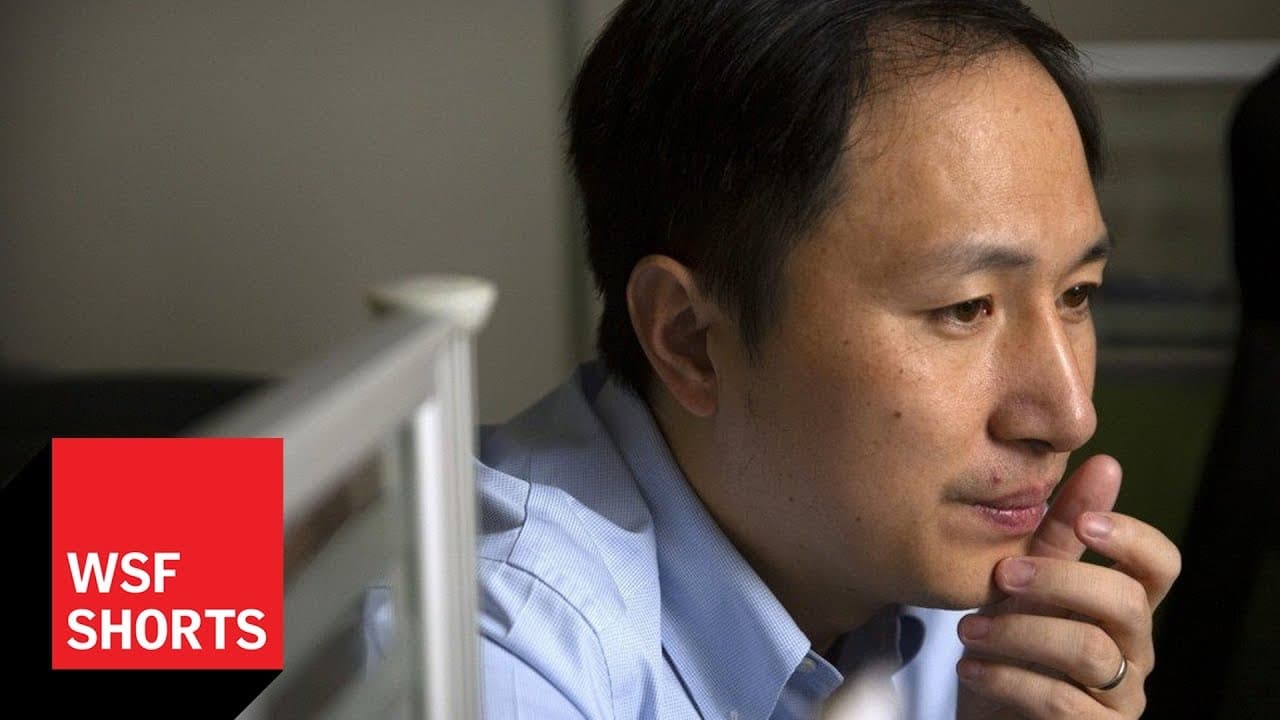
He Jiankui used CRISPR to edit a gene in two embryos, leading to the birth of twins aimed at preventing HIV infection. This experiment sparked global outrage over ethical concerns, underscoring the need for stringent regulations in genetic engineering and raising questions about the responsibilities of scientists in their research.
Transcript
it was a birth announcement that shocked the world - beautiful neither Chinese girl named Lulu and Lana came crying into the world as healthy as any other babies a few weeks ago Chinese biophysicist ha Jean qui working largely in secret had used CRISPR to knock out a gene called ccr5 in to early human embryos then returned the embryos to their moth... Read More
Key Insights
- 👏 He Jiankui's use of CRISPR to edit human embryos raised ethical concerns within the scientific community.
- 👻 The lack of proper oversight and regulation in China allowed He Jiankui to carry out his experiments without extensive scrutiny.
- 👧 The motive behind the gene editing experiment was to protect the twin girls from the risk of HIV infection.
- ♻️ Pressure from the scientific environment in China may have contributed to He Jiankui's decision to proceed without full ethical consideration.
- 🫢 The announcement of the gene editing experiment sparked widespread condemnation and shock within the scientific community.
- 🏑 He Jiankui's actions highlight the need for comprehensive ethical guidelines and regulations in the field of genetic engineering.
- 🥺 The disclosure of this controversial experiment has led to increased scrutiny of gene editing practices and potential implications for future generations.
Install to Summarize YouTube Videos and Get Transcripts
Explore YouTube Video Summarizer or Get YouTube Transcript Extractor
Questions & Answers
Q: What did He Jiankui do with CRISPR?
He used CRISPR to knock out the ccr5 gene in human embryos, with the aim of protecting the twin girls from HIV infection.
Q: How did the scientific community react to He Jiankui's announcement?
The scientific community reacted with shock and condemnation, criticizing the ethical implications and the lack of proper oversight and regulation.
Q: What was the motive behind He Jiankui's gene editing experiment?
He Jiankui claimed that his motive was noble, as he wanted to protect the twin girls from the risk of HIV infection due to their father being HIV positive.
Q: Did the scientific community have prior knowledge of He Jiankui's work?
There was limited knowledge within the scientific community about He Jiankui's specific actions, as he was working in relative secrecy in China. Some colleagues, like William Harlan, the bioethicist and research scholar, had knowledge but did not fully comprehend the extent of his experimentation.
Summary & Key Takeaways
-
Chinese biophysicist, He Jiankui, used CRISPR to knock out a gene called ccr5 in two human embryos.
-
The embryos were then returned to their mother's womb, resulting in the birth of twin girls named Lulu and Lana.
-
The announcement of the gene editing experiment garnered shock and condemnation from the scientific community.
Read in Other Languages (beta)
Share This Summary 📚
Summarize YouTube Videos and Get Video Transcripts with 1-Click
Try YouTube Summary with ChatGPT & Claude or YouTube Transcript Generator
Explore More Summaries from World Science Festival 📚

Summarize YouTube Videos and Get Video Transcripts with 1-Click
Try YouTube Summary with ChatGPT & Claude or YouTube Transcript Generator