How to Stay Relevant Across Decades of Change
TL;DR
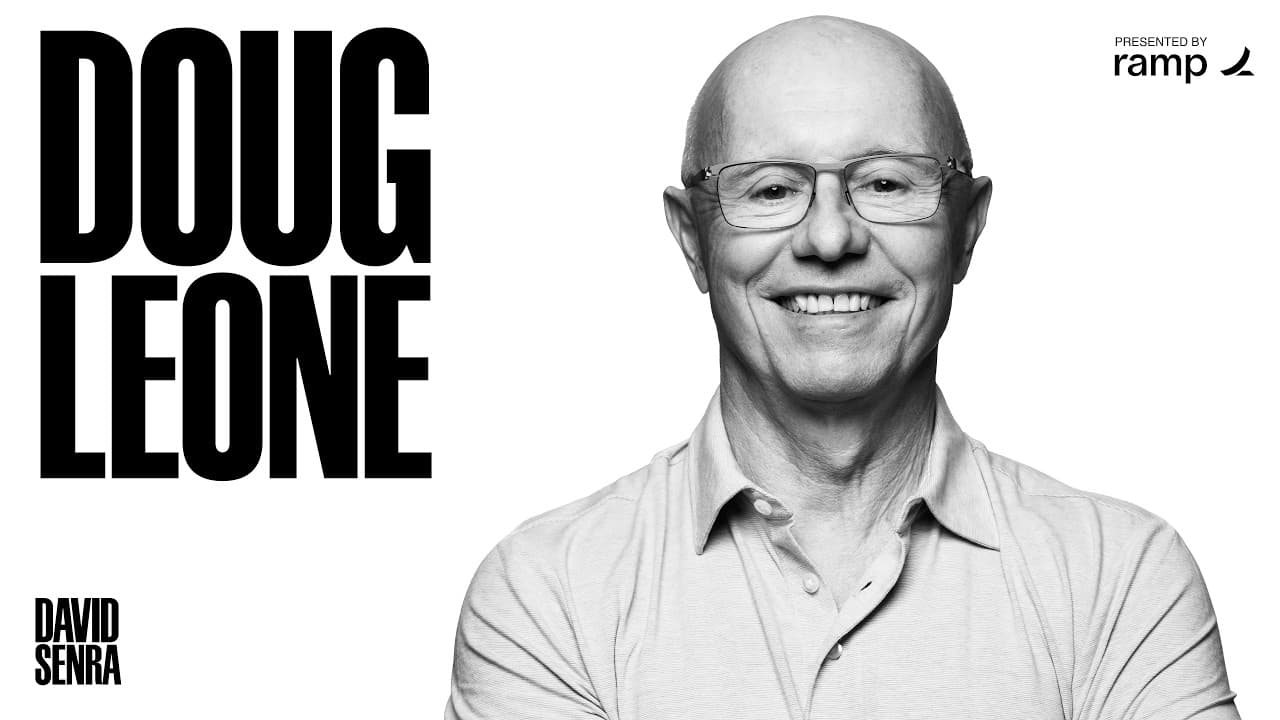
Long-term relevance requires repeatedly abandoning ego, admitting what you do not know, and starting again as a beginner when the world changes. Doug Leone turns fear of becoming obsolete into forward motion, evaluates investments for extreme upside, and believes investors should help founders build durable businesses without displacing them as the company’s essential soul.
Transcript
All right, we were just talking before recording and you just said something that's very interesting. We're talking about people that dominate for decades. You're one of them that's done so and you said an interesting question is to ask how and why somebody would dominate for decades. What's your answer to that? >> My partner in India said there ar... Read More
Key Insights
- Long-term relevance is sustained by a secure need to remain useful, combined with the willingness to rebuild one’s expertise whenever circumstances change. Leone says his reinventions came less from visions of greatness than from fear that he might become obsolete.
- Reinvention requires setting aside status and ego. Although Leone returned to Sequoia as chairman, he describes the title as meaningless and views himself as a low-level analyst who must begin again, develop judgment, and prove that he can contribute.
- Fear can become a tailwind when it prompts direct action. Leone responded to fear of public speaking by working to master it and answered fear of heights by climbing 96-foot sailboat masts rather than allowing discomfort to dictate his choices.
- Early resentment can supply powerful motivation, but it should not remain a permanent worldview. Leone spent about 30 years outgrowing his desire to defeat wealthier peers and eventually recognized that his negative assumptions about them formed a false narrative.
- Drive can arise from scarcity, rivalry, humiliation, or other emotionally significant experiences. Leone describes competition between brothers and a childhood insult about weight as examples of small personal episodes that can influence behavior and discipline for decades.
- Comfort does not automatically eliminate ambition, but giving children everything may deprive them of hunger. Leone believes parents should allow meaningful difficulty, while acknowledging that manufactured hardship may be ineffective because children can recognize when it is artificial.
- Exceptional venture investments must have the potential to produce disproportionate returns. Leone asks whether he would risk his children’s money, whether an opportunity merits one of only 20 lifetime investments, and whether it could return an entire fund.
- A venture investor’s role is to help convert a founder’s product into a business. That support includes recruiting the initial team, building sales and marketing, navigating decisive moments, and protecting the founder’s place as the company’s soul.
Install to Summarize YouTube Videos and Get Transcripts
Explore YouTube Video Summarizer or Get YouTube Transcript Extractor
Questions & Answers
Q: How can someone remain relevant for decades?
Remaining relevant for decades requires repeated reinvention rather than dependence on past accomplishments. Doug Leone recommends letting go of ego, assuming you know nothing when circumstances change, and accepting beginner status again. His own motivation comes from fear of becoming obsolete. Even after returning to Sequoia as chairman, he considers himself a low-level analyst who must learn, develop judgment, and prove his usefulness.
Q: How does Doug Leone use fear as motivation?
Doug Leone treats fear as a signal to confront a challenge directly. When he feared public speaking, he worked to become highly capable at it. When he feared heights, he climbed 96-foot sailboat masts. He says fear gives him a challenge to overcome and then a sense of security. The approach is to move toward the feared task and build confidence through action.
Q: Why is ego a barrier to professional reinvention?
Ego can make an experienced person cling to titles, former expertise, and evidence of past success. Leone argues that reinvention requires assuming you know nothing and becoming willing to start at the bottom. Despite holding the title of chairman at Sequoia, he calls himself an analyst who must prove his value. That mindset creates room to learn when technology and business conditions have changed.
Q: Can childhood hardship create lasting ambition?
Childhood hardship can create lasting ambition when a painful experience becomes part of a person’s internal story. Leone recalls struggling with English, being ridiculed at school, and working on sailboats while wealthier peers relaxed nearby. He also describes a colleague whose childhood insult about his weight still motivates early morning exercise decades later. Such experiences can produce durable drive, although their emotional narratives may eventually need reassessment.
Q: How should resentment be converted into productive drive?
Resentment can initially provide energy, but Leone says it should mature into something constructive. His anger toward wealthier peers motivated him for years, yet he eventually recognized that those children were not bad and that his story about them was false. It took him about 30 years to outgrow that outlook. The productive goal is to retain discipline while using success to benefit oneself and other people.
Q: Does growing up wealthy prevent someone from becoming driven?
Growing up wealthy does not necessarily prevent ambition because drive can originate from many sources besides financial hardship. Leone gives the example of a partner whose competitiveness developed through rivalry with his twin brother. He also mentions a son-in-law whose intense drive may relate to competition with an older brother. Scarcity can create hunger, but sibling competition, humiliation, and other personal experiences can do so as well.
Q: What questions does Doug Leone ask before investing?
Leone evaluates an investment with three demanding questions. He asks whether he would put his children’s money into it, whether it would deserve selection if he could make only 20 investments in his life, and whether it could return the entire fund. These tests focus attention on conviction and exceptional upside. He is interested in extreme outliers capable of returning 100 times the original investment.
Q: What should venture investors do for company founders?
Venture investors should help founders turn promising products into functioning businesses rather than attempt to reshape the underlying technology themselves. Leone identifies practical responsibilities such as recruiting the first team, establishing sales and marketing, and helping leaders navigate crucible moments. Throughout that work, the investor should preserve the founder as the soul of the company instead of displacing the person whose vision created it.
Summary & Key Takeaways
-
Doug Leone attributes decades of relevance to a persistent fear of becoming outdated and a willingness to reinvent himself. At 69, after returning to Sequoia with the title of chairman, he regards himself as a low-level analyst who must earn his place by learning the rapidly advancing field of AI.
-
Leone treats fear as a challenge that should trigger immediate action. He deliberately confronted public speaking, heights, and physical pain to test his resolve. Early experiences of exclusion, including struggling with English and watching wealthier peers enjoy themselves while he worked, also supplied motivation that lasted for decades.
-
His investment discipline centers on three questions: whether he would invest his children’s money, whether the opportunity deserves one of only 20 lifetime investments, and whether it could return the entire fund. He seeks extreme outliers, warns against selling exceptional winners too early, and helps founders transform products into enduring businesses.
Read in Other Languages (beta)
Share This Summary 📚
Summarize YouTube Videos and Get Video Transcripts with 1-Click
Try YouTube Summary with ChatGPT & Claude or YouTube Transcript Generator
Explore More Summaries from David Senra 📚






Summarize YouTube Videos and Get Video Transcripts with 1-Click
Try YouTube Summary with ChatGPT & Claude or YouTube Transcript Generator