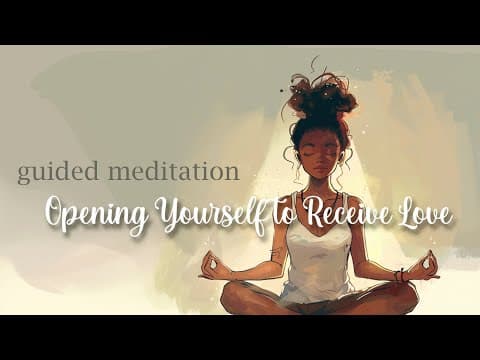
How to Practice Manifestation Through Meditation
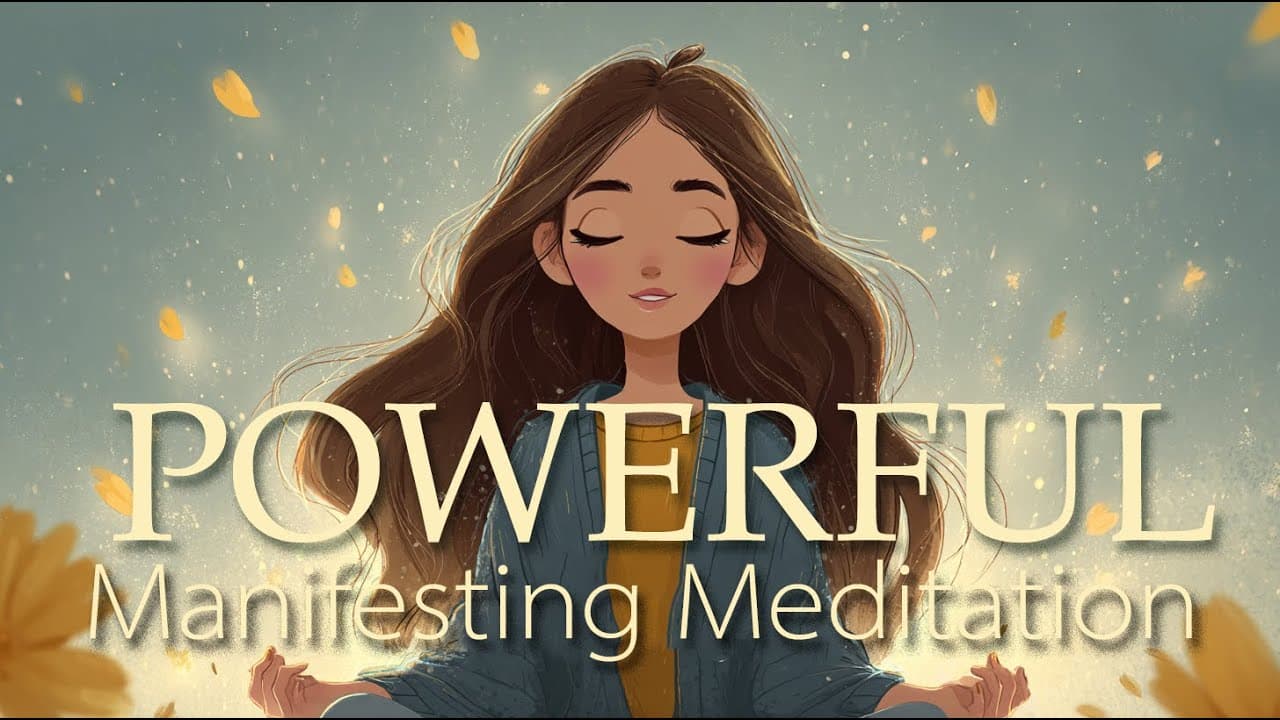
TL;DR
Begin by relaxing your body, following your breath, and imagining a column of white light around you. Receive a personally meaningful intention, focus on it without judging distractions, then embody the feeling of already having it. Close by appreciating your imagination, returning the light to your heart, and slowly bringing your awareness back to your surroundings.
Transcript
Begin by inviting yourself to get as cozy as you wish. Eyes softly closed and awareness slowly gathering inwards. Hitting pause on anything you've been doing. Anywhere your mind's been. and letting it gather up so that it is becoming present with breath and body. Entering into this time and space as the observer of you and all that you are right no... Read More
Key Insights
- The opening relaxation is designed to gather awareness from previous activities and bring attention into the breath and body. The practice encourages physical comfort, softly closed eyes, freer breathing, and releasing any muscles that are unnecessary in the moment.
- The column of white light is an imagined structure extending above the head and below the feet. It gradually fills the room and the practitioner, creating a symbolic space for recognizing imagination as an inner generative ability.
- The practitioner is treated as the initiator of the imagined light. Because the light appears through imagination, the meditation uses it as evidence within the exercise that attention can generate a vivid internal experience and shift one’s present state.
- The chosen intention is meant to support the practitioner’s highest, most loving good while remaining consistent with the good of all. The meditation asks for receptive attention rather than forcing a predetermined image, outcome, or method of manifestation.
- The receiving exercise centers awareness between the brows and inward. The practitioner imagines the pineal gland as a golden pine cone of light, affirms openness to clear guidance, and trusts the personally meaningful experience that emerges.
- Peace is an acceptable focus when no specific vision or idea arises. The meditation emphasizes that the exercise cannot be performed incorrectly and allows visualization, bodily feeling, repeated words, or repeated phrases as valid ways to concentrate.
- Distraction is handled through self-forgiveness and gentle redirection. The practitioner is instructed to let themselves off the hook when attention wanders, then return to the selected intention instead of treating distraction as a failure.
- Embodied feeling is the central later stage of the practice. The practitioner imagines that the desired condition is already complete and explores how the body might feel, including greater relaxation, love, or ease, before closing with gratitude and a slow return.
Install to Summarize YouTube Videos and Get Transcripts
Explore YouTube Video Summarizer or Get YouTube Transcript Extractor
Questions & Answers
Q: How do you begin a manifestation meditation?
Begin by getting as comfortable as you wish, softly closing your eyes, and pausing your previous activity. Gather your attention inward until it rests with your breath and body. Notice whatever is present without trying to correct it, invite the breath to move more freely, and allow any muscles you do not need to become slack and heavy.
Q: How is white light used during manifestation meditation?
Imagine a column of white light extending as far above your head and below your feet as you can conceive. Sense its brightness filling the room, everything around you, and your body. The exercise frames you as the generator of this imagined light, helping you connect the experience of visualization with a sense of personal creative power.
Q: How do you choose what to focus on while manifesting?
Bring awareness to the center of your mind, between the brows and inward, and imagine a golden light in that space. Affirm that you are open to receiving a clear vision for your highest good and the highest good of all. Trust what arises, especially if it feels pleasant, or choose peace when no specific idea appears.
Q: What should you do if no manifestation vision appears?
Choose peace as the object of attention if no particular image, goal, or idea comes to you. The meditation states that whatever you experience is right for you and that the process cannot be performed incorrectly. You may focus through visualization, bodily sensation, or the repetition of a few personally meaningful words or phrases.
Q: What should you do when distracted during visualization?
Respond to distraction without blame or frustration. Let yourself off the hook for losing focus, then gently return your attention to the vision, feeling, word, or phrase you selected. The practice treats redirection as part of the exercise, allowing concentration to develop without requiring uninterrupted attention or interpreting a wandering mind as failure.
Q: How do you embody a desired outcome in meditation?
Imagine how your body would feel if the desired outcome were already complete. Notice whether you might feel more relaxed, loved, comfortable, or at ease, then use your imagination to experience that feeling internally. The meditation emphasizes basking in the bodily state itself, rather than concentrating only on a mental picture of the outcome.
Q: How long does the meditation use intentional focus?
The guided practice first provides 10 seconds for full attention on the chosen intention, then expands the focused period to 30 seconds. Later, it states that even 17 seconds of intentional focus brings about more things like the focus. These timing claims are presented as part of the meditation’s own manifestation guidance and progression.
Q: How do you finish the guided manifestation meditation?
Thank yourself for completing the practice and take a large breath that expands the stomach and rib cage. Hold at the top, then exhale with a sigh and allow breathing to return to a comfortable pace. Thank the white light, imagine it shrinking into your heart, and slowly restore awareness of your surroundings before opening your eyes.
Summary & Key Takeaways
-
The meditation begins by inviting physical comfort, closed eyes, inward awareness, and freer breathing. Unneeded muscles become slack and heavy as attention settles into the present. The practitioner then imagines a brilliant column of white light extending above the head, below the feet, throughout the room, and within the body.
-
The practitioner directs awareness between the brows and inward, imagining the pineal gland as a golden pine cone of light. An affirmation requests a clear vision aligned with personal and collective good. Whatever pleasant idea arises may become the focus, while peace remains an available choice if no specific intention appears.
-
Intentional focus progresses through short visualization periods and then shifts toward bodily feeling. The practitioner imagines how fulfillment would feel, such as relaxation, love, or ease, while gently returning after distractions. The session concludes with appreciation, a deep breath, the light settling into the heart, and gradual reorientation to the surroundings.
Read in Other Languages (beta)
Share This Summary 📚
Summarize YouTube Videos and Get Video Transcripts with 1-Click
Try YouTube Summary with ChatGPT & Claude or YouTube Transcript Generator
Explore More Summaries from Great Meditation 📚


Summarize YouTube Videos and Get Video Transcripts with 1-Click
Try YouTube Summary with ChatGPT & Claude or YouTube Transcript Generator