Why Does Immigration Enforcement Feel Harsher Under Trump?
TL;DR
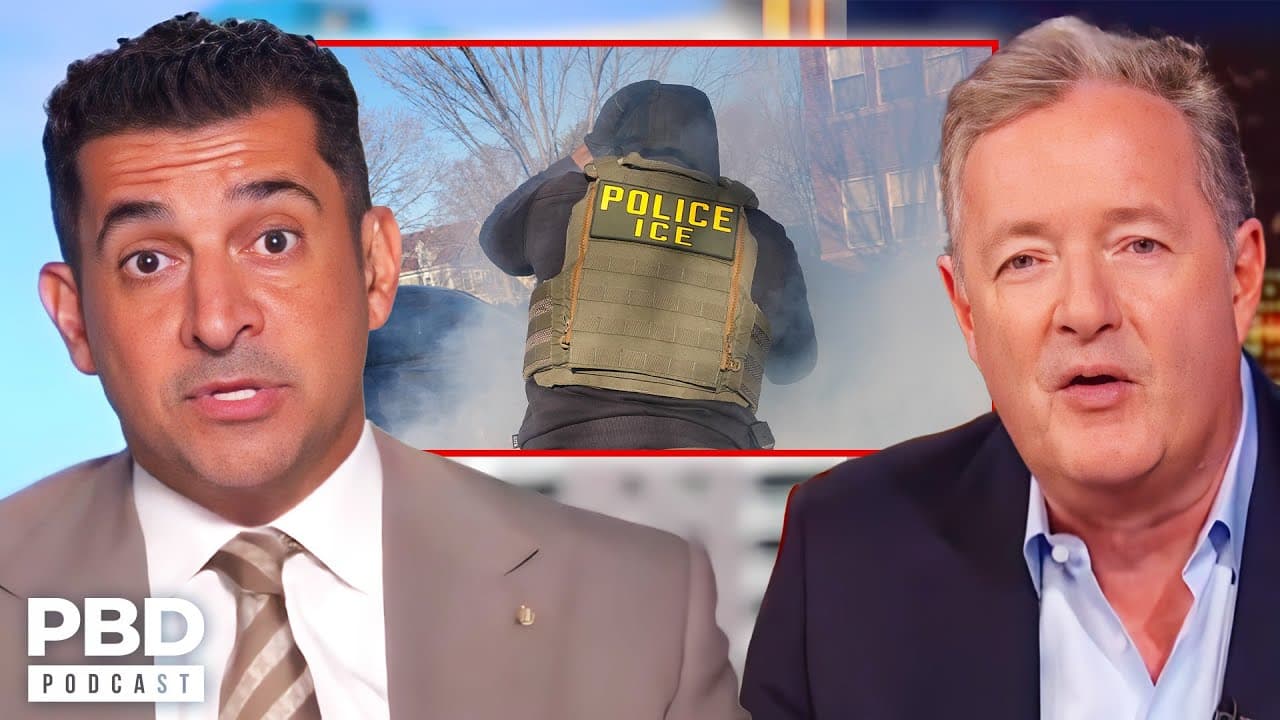
Immigration enforcement under Trump feels harsher due to increased media coverage and the presence of cameras, despite similar deportation numbers under Obama. Public perception has shifted, creating emotional backlash. The enforcement of laws hasn't changed significantly, but the visibility and portrayal of actions have heightened public awareness and emotional responses.
Transcript
As somebody who came to the United States as an immigrant yourself, are you getting concerned about what's happening with ICE? And the reason I say that, it's not just the incident with Renee Good who was killed by an ICE officer in that highly disputed incident. It's more that the polling about ICE agents now is extremely bad. And it it plays I th... Read More
Key Insights
- Deportations under Obama were significant, with 3 million people deported, but received less media attention.
- Media coverage and camera presence have intensified public perception of immigration enforcement under Trump.
- Obama's deportation policies were perceived as more humane due to lack of media scrutiny.
- Public opinion is divided on deporting undocumented immigrants who have lived in the U.S. for years.
- Tough leadership involves making difficult decisions, sometimes leading to public backlash.
- Media often focuses on emotional aspects of enforcement, influencing public sentiment.
- The portrayal of ICE agents in media has contributed to a negative public image.
- Immigration enforcement is a complex issue influenced by legal, emotional, and political factors.
Install to Summarize YouTube Videos and Get Transcripts
Explore YouTube Video Summarizer or Get YouTube Transcript Extractor
Questions & Answers
Q: Why does immigration enforcement feel harsher under Trump?
Immigration enforcement feels harsher under Trump due to increased media coverage and the prevalence of cameras capturing enforcement actions. This heightened visibility has shifted public perception, creating an emotional backlash despite similar deportation numbers under Obama. The portrayal of ICE agents and enforcement activities in the media has significantly influenced public sentiment.
Q: How did media coverage differ between Obama and Trump regarding deportations?
During Obama's presidency, deportations were significant but received less media attention, resulting in a perception of more humane enforcement. In contrast, under Trump, media coverage intensified, focusing on the emotional aspects of enforcement and contributing to a negative public image of ICE agents. This shift in coverage has influenced public perception and sentiment.
Q: What role do cameras play in public perception of immigration enforcement?
Cameras play a crucial role in public perception by capturing and broadcasting immigration enforcement actions, making them more visible to the public. This increased visibility has heightened emotional responses and created a perception of harsher enforcement under Trump, despite similar deportation practices under Obama. The presence of cameras has intensified media scrutiny and public awareness.
Q: Why is there a division in public opinion on deporting long-term undocumented immigrants?
Public opinion is divided on deporting long-term undocumented immigrants due to the emotional and humanitarian considerations involved. Many people empathize with individuals who have lived in the U.S. for years, contributing to society, and view their deportation as harsh. This emotional perspective contrasts with the legal standpoint of enforcing immigration laws, creating a complex and divisive issue.
Q: How has the portrayal of ICE agents changed under Trump?
Under Trump, the portrayal of ICE agents has become more negative, largely due to increased media coverage focusing on the emotional and contentious aspects of enforcement. This portrayal has contributed to a public image of harshness and insensitivity, contrasting with the less scrutinized actions during the Obama administration. The media's focus has amplified public sentiment against ICE.
Q: What are the challenges of tough leadership in immigration enforcement?
Tough leadership in immigration enforcement involves making difficult decisions that can lead to public backlash. Leaders must balance legal obligations with humanitarian concerns, often resulting in criticism from various sides. The complexity of immigration issues, combined with media scrutiny and public emotions, makes it challenging to implement policies without facing significant opposition.
Q: Why does the media focus on emotional aspects of immigration enforcement?
The media focuses on emotional aspects of immigration enforcement because these stories resonate with audiences, driving engagement and viewership. Emotional narratives, such as family separations, evoke strong reactions and discussions, making them compelling content. This focus can influence public perception and sentiment, often overshadowing the legal and procedural aspects of enforcement.
Q: What factors influence immigration enforcement complexity?
Immigration enforcement complexity is influenced by legal, emotional, and political factors. Legal obligations require adherence to immigration laws, while emotional considerations involve the humanitarian impact on individuals and families. Political dynamics shape policy decisions and public discourse. These intertwined factors create a challenging environment for implementing effective and humane immigration enforcement strategies.
Summary & Key Takeaways
-
Immigration enforcement under Trump feels harsher than under Obama due to increased media coverage and the presence of cameras. Despite similar deportation numbers, the visibility of enforcement actions has shifted public perception, leading to emotional backlash. The enforcement of laws hasn't changed significantly, but the portrayal of actions has heightened public awareness.
-
The media's focus on the emotional aspects of immigration enforcement under Trump has contributed to a negative public image of ICE agents. This contrasts with the Obama administration, where similar actions received less scrutiny. The portrayal of enforcement has influenced public sentiment and created divisions in opinion regarding the deportation of long-term undocumented immigrants.
-
Tough leadership often involves making difficult decisions, which can lead to public backlash. The complexity of immigration enforcement is influenced by legal, emotional, and political factors. The media's role in highlighting certain aspects of enforcement has intensified emotional responses, despite the underlying laws remaining unchanged.
Read in Other Languages (beta)
Share This Summary 📚
Summarize YouTube Videos and Get Video Transcripts with 1-Click
Try YouTube Summary with ChatGPT & Claude or YouTube Transcript Generator
Explore More Summaries from Valuetainment 📚



Summarize YouTube Videos and Get Video Transcripts with 1-Click
Try YouTube Summary with ChatGPT & Claude or YouTube Transcript Generator