Why Do Filmmakers Choose Atlas Mercury Anamorphic Lenses?
TL;DR
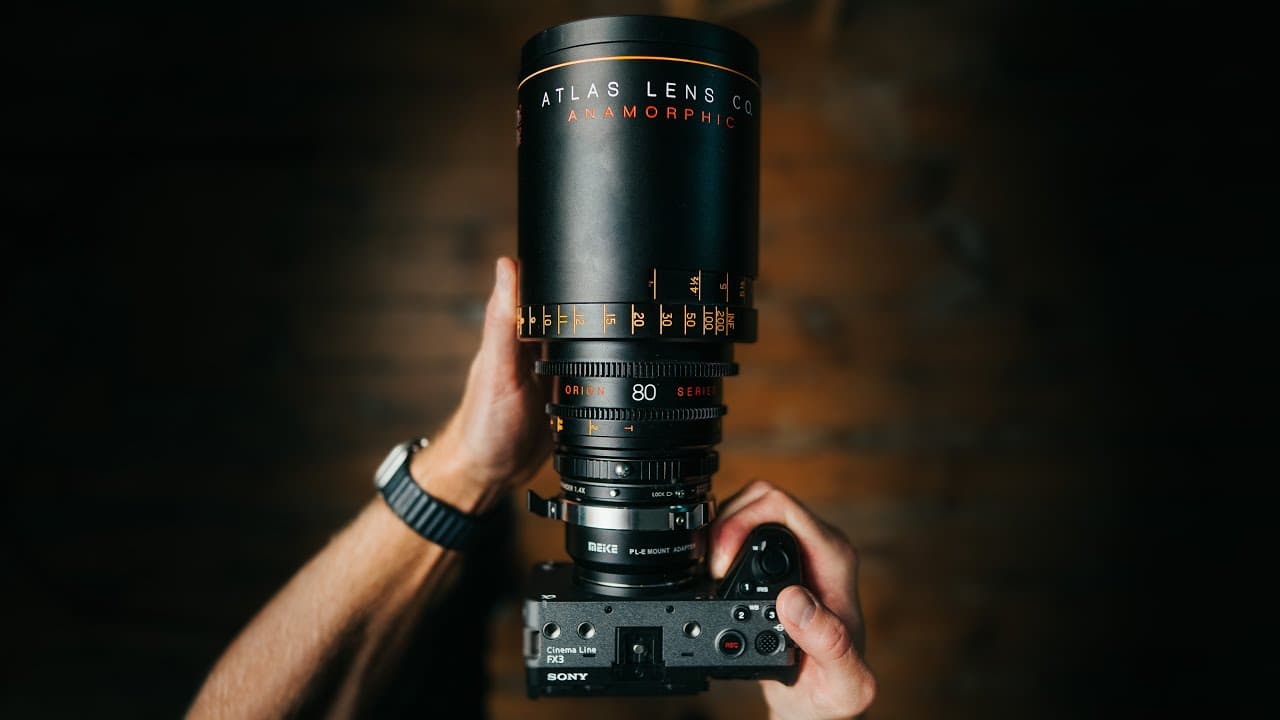
Filmmakers choose Atlas Mercury anamorphic lenses for their unique 1.5 times squeeze, which creates a cinematic look that enhances visual storytelling. Priced at around $8,000 per lens, they offer an affordable alternative to higher-end options while providing versatility with a close focus range of 1.5 to 2 feet. The lenses are designed to deliver an out-of-this-world aesthetic with distinctive oval bokeh and wide frames, making them ideal for creative projects.
Transcript
you know how I said well I had a new favorite lens the story anamorphic it's pretty good but decided to step shooting anamorphic guys if you like it Isaac it's pretty good lower it a little bit [Applause] as I'm stepping into buying an Airy cinema camera and moving into some higher quality production projects I'm trying to figure out what lenses I ... Read More
Key Insights
- 👀 Atlas Mercury anamorphic lenses provide filmmakers with a distinctive 1.5 times squeeze for a unique cinematic look.
- 💄 The affordability of Atlas anamorphic lenses at around $8,000 per lens makes them a competitive option.
- 🔨 Anamorphic lenses offer filmmakers a creative tool to enhance storytelling with visual character and depth.
- 😚 The close focus range of 1.5 to 2 feet in Atlas Mercury lenses caters to filmmakers' needs for versatility in capturing intimate shots.
- 👀 Anamorphic lenses recreate a cinematic movie headspace, enhancing the storytelling experience with a magical, out-of-this-world look.
- 😫 The unique oval bokeh and wider frames of anamorphic lenses create visually stunning effects that set them apart from spherical lenses.
- 😫 Atlas anamorphic lenses offer filmmakers the option to choose between the Mercury and Orion sets based on size, affordability, and visual impact.
Install to Summarize YouTube Videos and Get Transcripts
Explore YouTube Video Summarizer or Get YouTube Transcript Extractor
Questions & Answers
Q: What sets the Atlas Mercury anamorphic lenses apart from other cinematic lenses?
The Atlas Mercury lenses offer a unique 1.5 times squeeze, affordability at around $8,000 per lens, and a distinctive look that enhances storytelling with cinematic flair.
Q: How do anamorphic lenses differ from spherical lenses in terms of visual impact?
Anamorphic lenses provide a distinct cinematic look with oval bokeh, wider frames, and a heightened sense of storytelling, while spherical lenses offer a more natural, real-life portrayal of scenes.
Q: What advantages do the Atlas Mercury anamorphic lenses offer in terms of close focus and usability?
The Mercury lenses have a reasonable close focus range of around 1.5 to 2 feet, making them more user-friendly for filmmakers accustomed to working with spherical lenses and capturing intimate shots.
Q: How do the Atlas Mercury anamorphic lenses cater to different production needs compared to the Orion lenses?
The Mercury lenses are smaller in size, more affordable at around $6,000 per lens, and suitable for solo shooters or smaller productions seeking a unique cinematic look, while the Orion lenses offer larger, more cinematic image qualities.
Summary & Key Takeaways
-
Introduction to the new Atlas Mercury anamorphic lenses for cinematic projects.
-
A comparison between the Atlas Orion and Mercury anamorphic lenses.
-
Discussion on the unique features, pricing, and benefits of using anamorphic lenses for filmmaking.
Read in Other Languages (beta)
Share This Summary 📚
Summarize YouTube Videos and Get Video Transcripts with 1-Click
Try YouTube Summary with ChatGPT & Claude or YouTube Transcript Generator
Explore More Summaries from Matti Haapoja 📚




Summarize YouTube Videos and Get Video Transcripts with 1-Click
Try YouTube Summary with ChatGPT & Claude or YouTube Transcript Generator