How Did Genghis Khan Influence Modern Geopolitics?
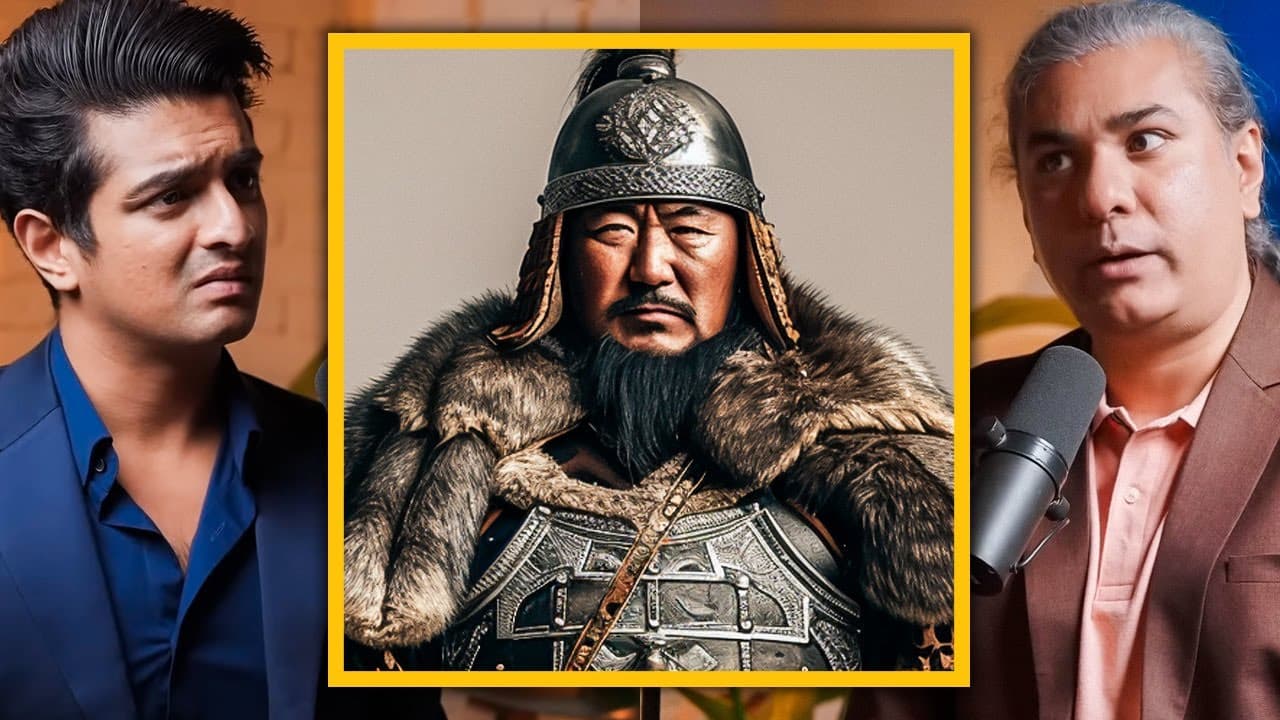
TL;DR
Genghis Khan significantly shaped modern geopolitics through his innovations in diplomacy, military strategy, and trade. His legacy includes the first diplomatic immunity and the establishment of a vast free trade zone, which contrasts with the destructive conquests common in European history. Today, he is revered in Mongolia as a national hero, while his conquests impact contemporary territorial claims, especially in China.
Transcript
happiness through Curiosity on the Rand show we want to understand human nature human history what drives greatness what drives human Conquest because the whole world that we live in today has been populated by humans through conquest and migration and it is great people like Alexander and chingis Khan who kind of serve as role models for example l... Read More
Key Insights
- 😫 Conquerors like Alexander and Genghis Khan set historical precedents for military strategy and territorial claims that echo in contemporary politics.
- 🎖️ The pursuit of glory was a common thread among famous military leaders, showcasing a recurring human ambition throughout history.
- 💠 Genghis Khan's diplomatic innovations significantly contributed to shaping modern diplomatic practices, particularly concerning the treatment of diplomats during conflicts.
- 🥶 The Mongol Empire facilitated one of history's largest free trade zones, illustrating its significant role in early economic development and integration across Eurasia.
- 👻 Genghis Khan's policies permitted religious diversity, allowing various faiths to thrive under his empire, which contrasts sharply with many historical conquerors who imposed their beliefs upon conquered lands.
- 🧑🏫 Despite differing perceptions, Genghis Khan remains a founder of national identities in both Mongolia and China, affecting how history is taught and commemorated.
- 🌗 The lasting cultural influences from Mongolian practices, such as throat singing, reflect a deep connection to heritage and historical narratives surrounding Genghis Khan.
- 🎙️ More videos with Genghis Khan:
Install to Summarize YouTube Videos and Get Transcripts
Explore YouTube Video Summarizer or Get YouTube Transcript Extractor
Questions & Answers
Q: What were the driving instigators behind the ambitions of historic conquerors like Alexander and Julius Caesar?
Historically, ambitions of conquerors like Alexander and Julius Caesar were driven by an innate desire for glory, wealth, and territory. This pursuit manifested in their military endeavors, aiming to leave an indelible mark on history through territorial expansion and recognition. For instance, Julius Caesar lamented that he could not achieve conquests comparable to Alexander, which reflects the strong competitive spirit among these figures.
Q: How did Genghis Khan influence diplomatic practices in warfare?
Genghis Khan is notable for establishing diplomatic immunity during his reign, a groundbreaking practice that acknowledged the rights of diplomats from opposing nations. This custom allowed for safer communications and negotiations, even amidst warfare. Such policies fostered interactions among diverse cultures and set precedents for modern diplomatic relations, emphasizing respect and protection for emissaries.
Q: What unique policies did the Mongol Empire implement compared to European conquests?
The Mongol Empire, under Genghis Khan, practiced notable policies including religious freedom and economic tolerance. Unlike many European conquerors, who imposed their beliefs and exploited populations, the Mongols allowed conquered peoples to maintain their religions and customs. Their approach promoted stability and integration, helping to recirculate wealth and reduce resistance, favoring a relatively peaceful coexistence.
Q: How is the legacy of Genghis Khan viewed differently in Mongolia compared to China?
In Mongolia, Genghis Khan is celebrated as the “father of the nation,” revered and honored as a symbol of national identity and pride. Conversely, in China, he is often viewed with disdain, associated with the destruction of society during invasions. This reflects a contradictory sentiment in China where his legacy of expansionism is utilized for geopolitical claims, yet his historical figure remains negatively regarded.
Summary & Key Takeaways
-
The discussion examines how historical figures such as Genghis Khan, Julius Caesar, and Napoleon shaped their territorial ambitions and legacies through conquest, impacting the nations we recognize today.
-
Genghis Khan's Mongol Empire introduced significant innovations, including the first diplomacy immunity, a wide postal system, military strategies, and religious tolerance, contrasting with European conquests of the time.
-
The relevance of historical conquests persists today, influencing geopolitical claims in nations such as China while shaping national identities in Mongolia, where Genghis Khan is revered as a national hero.
Read in Other Languages (beta)
Share This Summary 📚
Summarize YouTube Videos and Get Video Transcripts with 1-Click
Try YouTube Summary with ChatGPT & Claude or YouTube Transcript Generator
Explore More Summaries from TRS Clips 📚





Summarize YouTube Videos and Get Video Transcripts with 1-Click
Try YouTube Summary with ChatGPT & Claude or YouTube Transcript Generator