What Did NASA Discover About Europa and Enceladus?
TL;DR
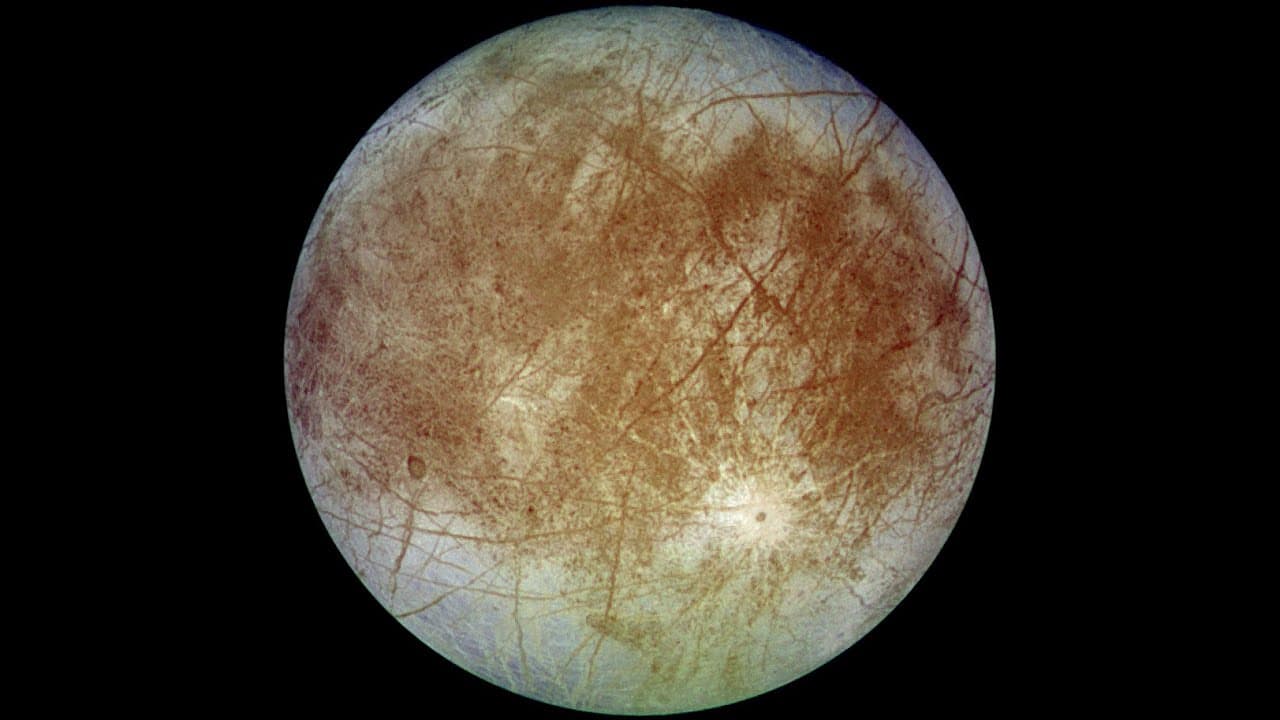
NASA has found evidence of liquid oceans beneath the icy surfaces of Europa and Enceladus through detected water plumes, raising the potential for life. The moons' geothermal heat, generated by the massive gravity of Jupiter and Saturn, keeps these oceans warm. This discovery allows researchers to study potential life signs on the surface without the need to drill through ice.
Transcript
Today, NASA held a teleconference on what may be the two most interesting possibilities for life outside earth that may surpass even Mars. These are the moons Europa and Enceladus, located at Jupiter and Saturn respectively. We now have more evidence for the existence of liquid oceans at both of these small worlds due to the detection of surface wa... Read More
Key Insights
- 🚴 Europa and Enceladus have evidence of liquid oceans beneath their icy surfaces, making them potentially habitable for life.
- 🥶 The plumes of water on Europa and Enceladus indicate a possible way to study potential life without drilling through ice.
- 🥵 The presence of liquid water on these moons is due to the geothermal heat generated by the gravity of the giant planets they orbit.
- 👨🔬 Detecting life directly is challenging, but searching for organics on the surface is a priority.
- 💦 Moons like Europa and Enceladus may be more common than Earth-like planets with liquid water, expanding the potential zone of habitability in the universe.
- 🥮 Intelligence development may be limited on these moons due to the challenges of developing technology without suitable physiology.
- 💦 Colonization of Europa and Enceladus may be possible in the future due to their water and geothermal energy resources.
Install to Summarize YouTube Videos and Get Transcripts
Explore YouTube Video Summarizer or Get YouTube Transcript Extractor
Questions & Answers
Q: How did NASA discover the plumes on Europa and Enceladus?
NASA observed transits of Europa and used the Hubble Space Telescope to detect plumes of water as silhouettes. However, further confirmation is needed.
Q: How do the liquid oceans exist on these moons?
The gravity of the giant planets they orbit causes the moons to flex, generating heat. This geothermal heat keeps a portion of the ice shell permanently molten, creating liquid oceans.
Q: How can we detect evidence of life on the surface of these moons?
While directly detecting life is challenging, scientists can prioritize the search for organics on the surface as an indicator of potential life.
Q: Are Europa and Enceladus unique in their potential for liquid water?
No, the similarities in surface geology and presence of water plumes suggest that such moons may be more common than Earth-like planets with liquid water oceans.
Summary & Key Takeaways
-
NASA has detected surface water plumes on the moons Europa and Enceladus, suggesting the existence of liquid oceans beneath their icy surfaces.
-
The plumes on Europa indicate that the water from the ocean is making its way to the surface, making it possible to study potential life without drilling through miles of ice.
-
The presence of liquid water on these moons is attributed to the geothermal heat generated by the gravity of the giant planets they orbit.
Read in Other Languages (beta)
Share This Summary 📚
Summarize YouTube Videos and Get Video Transcripts with 1-Click
Try YouTube Summary with ChatGPT & Claude or YouTube Transcript Generator
Explore More Summaries from John Michael Godier 📚



Summarize YouTube Videos and Get Video Transcripts with 1-Click
Try YouTube Summary with ChatGPT & Claude or YouTube Transcript Generator