How to Differentiate Between Social Anxiety and Dislike
TL;DR
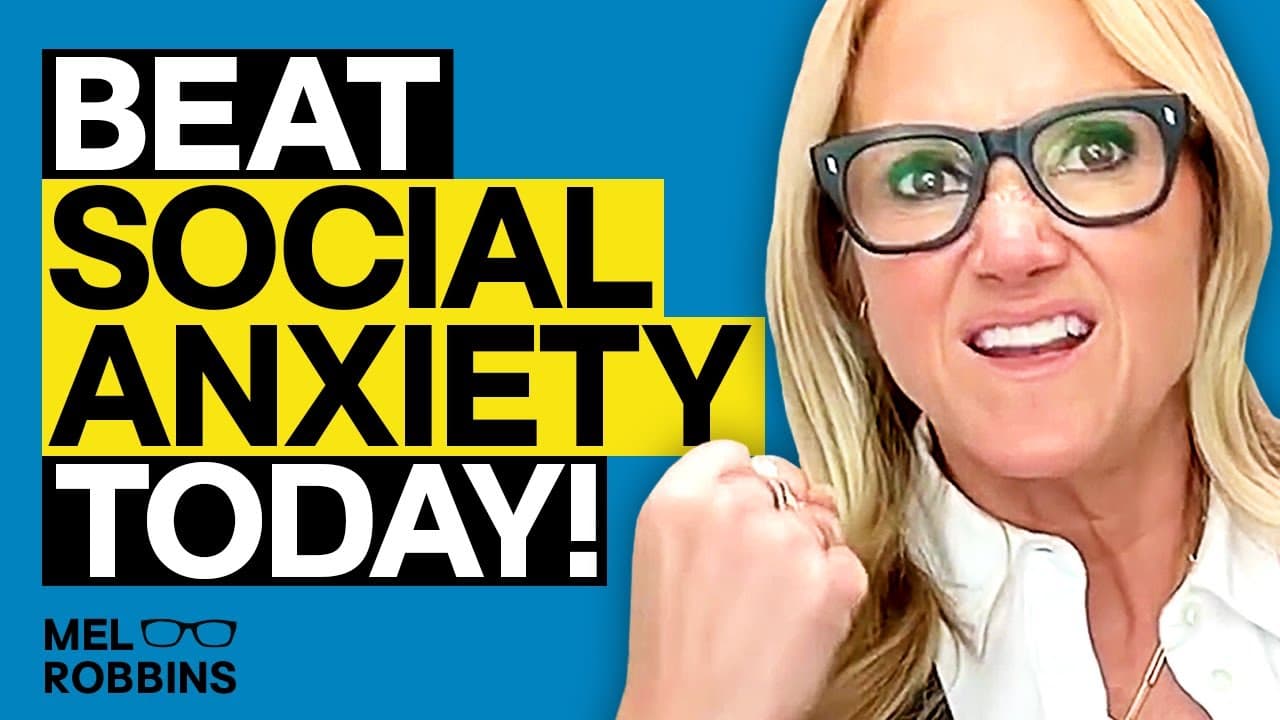
Social anxiety arises from a fear of rejection and judgment, leading to intense dread before social situations. In contrast, simply disliking large gatherings or small talk is a matter of personal preference. Recognizing this difference is crucial for understanding how to address and potentially overcome feelings of social anxiety.
Transcript
typically what happens when you're dealing with anxiety that stems from a fear of social situations is the fear is triggered by this opinion that something bad's gonna happen that you're gonna face some sort of rejection that people are going to judge you and if this is the case you are dealing with something that you really should get some help wi... Read More
Key Insights
- 🫠 Social anxiety is triggered by the fear of rejection and judgment, leading to intense dread before social situations.
- ❓ Disliking certain social interactions is a preference rather than anxiety.
- 🤳 Naming your feelings and adopting positive self-talk can reduce the impact of social anxiety.
- 😷 Gradual exposure to social situations, seeking therapy, and asking for support can help in overcoming social anxiety.
- ❓ People are usually more concerned with themselves than scrutinizing others' behavior in social settings.
- 😨 Consistent efforts and a commitment to facing fears can help overcome social anxiety.
- 🆘 Recognizing the difference between anxiety and preference can help in determining the appropriate steps to address the issue.
- 🎙️ More videos with Mel Robbins:
Install to Summarize YouTube Videos and Get Transcripts
Explore YouTube Video Summarizer or Get YouTube Transcript Extractor
Questions & Answers
Q: How can I determine if my reluctance towards social situations is due to anxiety?
Pay attention to the emotions you feel before social events. If you experience intense dread, fear of embarrassment, fixation on potential negative outcomes, or worries about being judged, it may indicate social anxiety.
Q: What are some signs that I may simply dislike certain aspects of socializing?
If you prefer being home alone, have a preference for deeper conversations, feel uncomfortable in large group settings, or dislike small talk and faking interest, it is likely a preference rather than anxiety.
Q: How can I cope with social anxiety?
Naming your feelings as anxiety rather than labeling yourself as anxious can reduce their impact. Cognitive behavioral therapy techniques can help challenge and change negative thought patterns. Gradually exposing yourself to social situations can also help desensitize anxious feelings.
Q: Can seeking support from others be helpful?
Yes, opening up to friends and asking for their support can provide reassurance and encouragement. However, it is important to also work on becoming more independent over time and not rely solely on others.
Summary & Key Takeaways
-
Anxiety stemming from a fear of social situations is triggered by the fear of rejection and judgment, causing a feeling of intense dread.
-
Disliking big parties and small talk is a preference, not anxiety, as it stems from a genuine dislike for certain social interactions.
-
Recognizing the difference between anxiety and preference can help in understanding how to address and overcome social anxiety.
Read in Other Languages (beta)
Share This Summary 📚
Summarize YouTube Videos and Get Video Transcripts with 1-Click
Try YouTube Summary with ChatGPT & Claude or YouTube Transcript Generator
Explore More Summaries from Mel Robbins 📚


Summarize YouTube Videos and Get Video Transcripts with 1-Click
Try YouTube Summary with ChatGPT & Claude or YouTube Transcript Generator